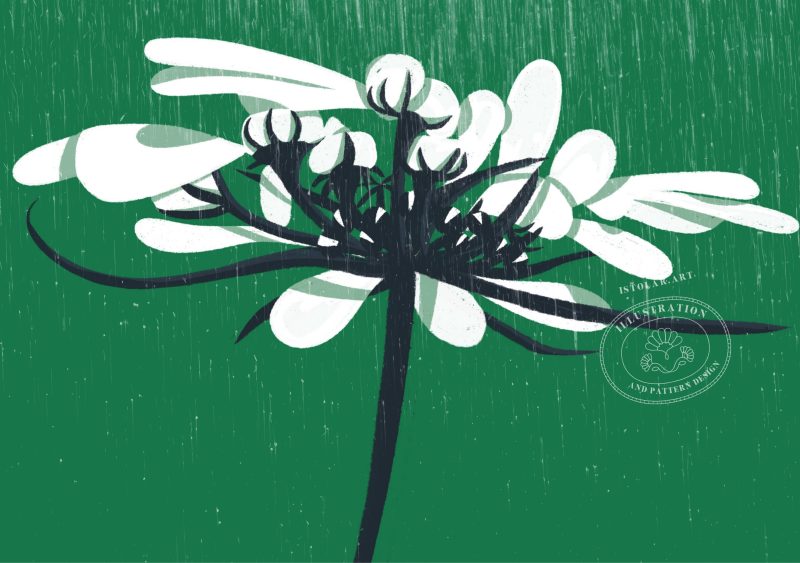
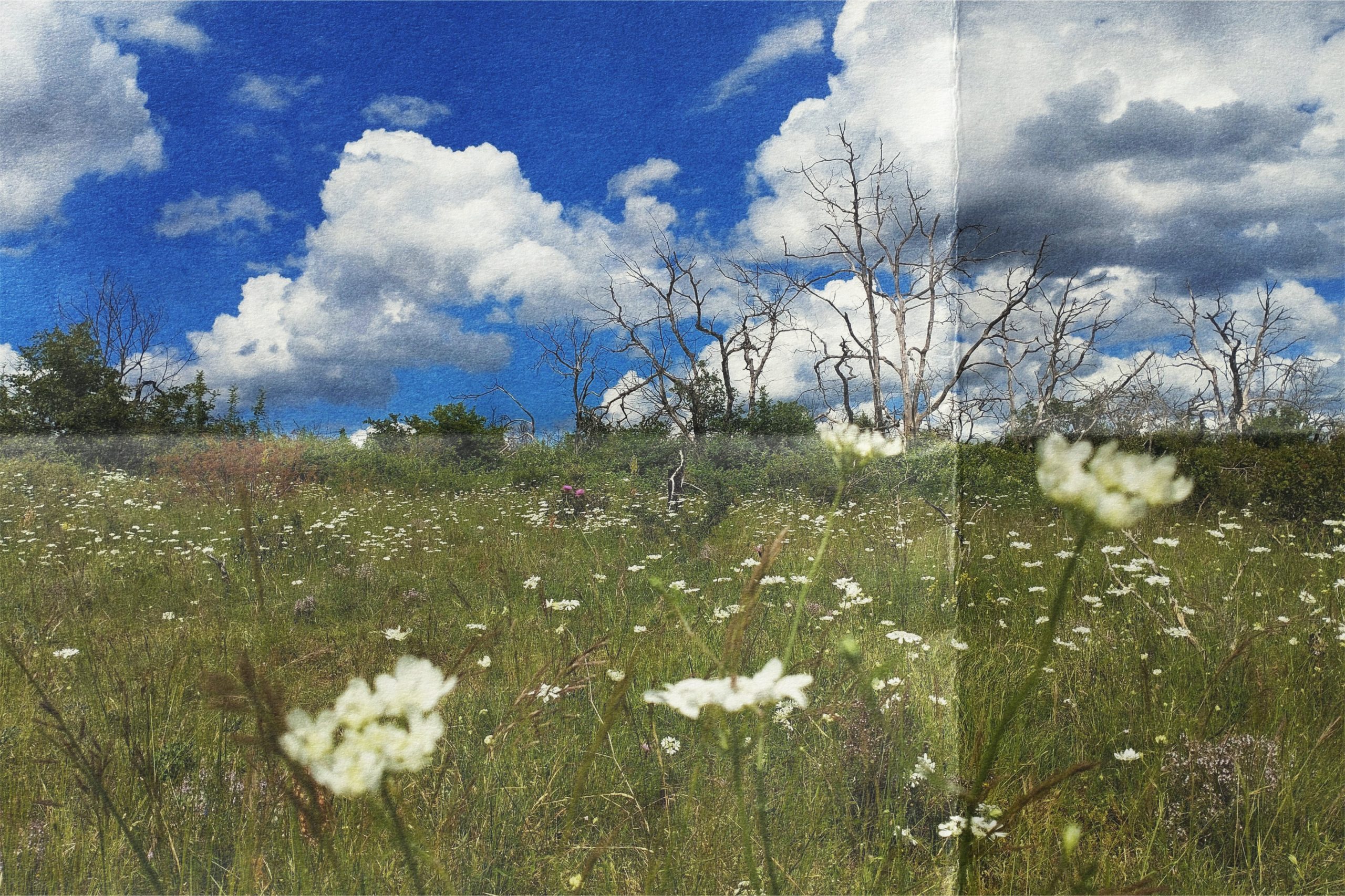
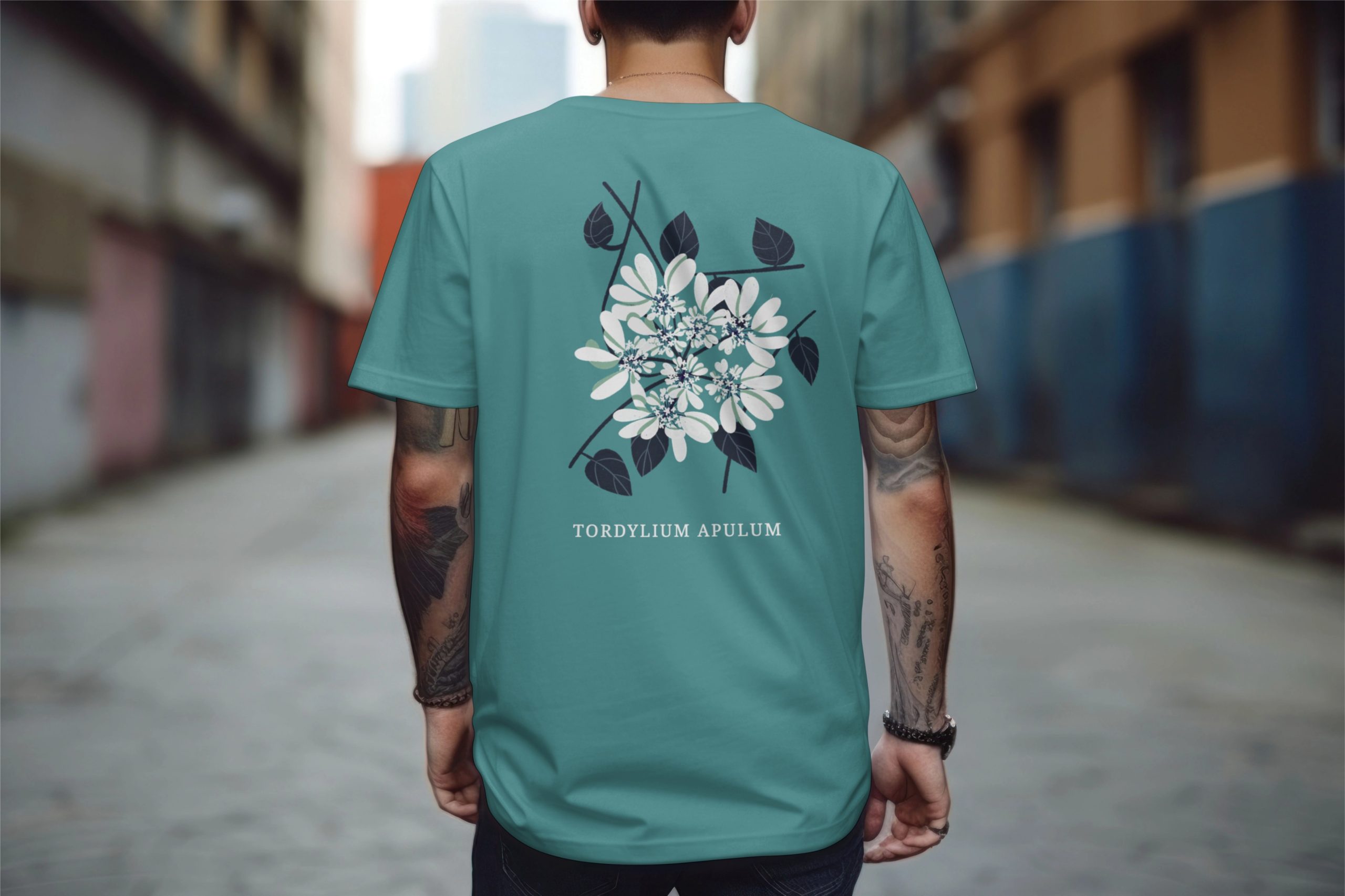
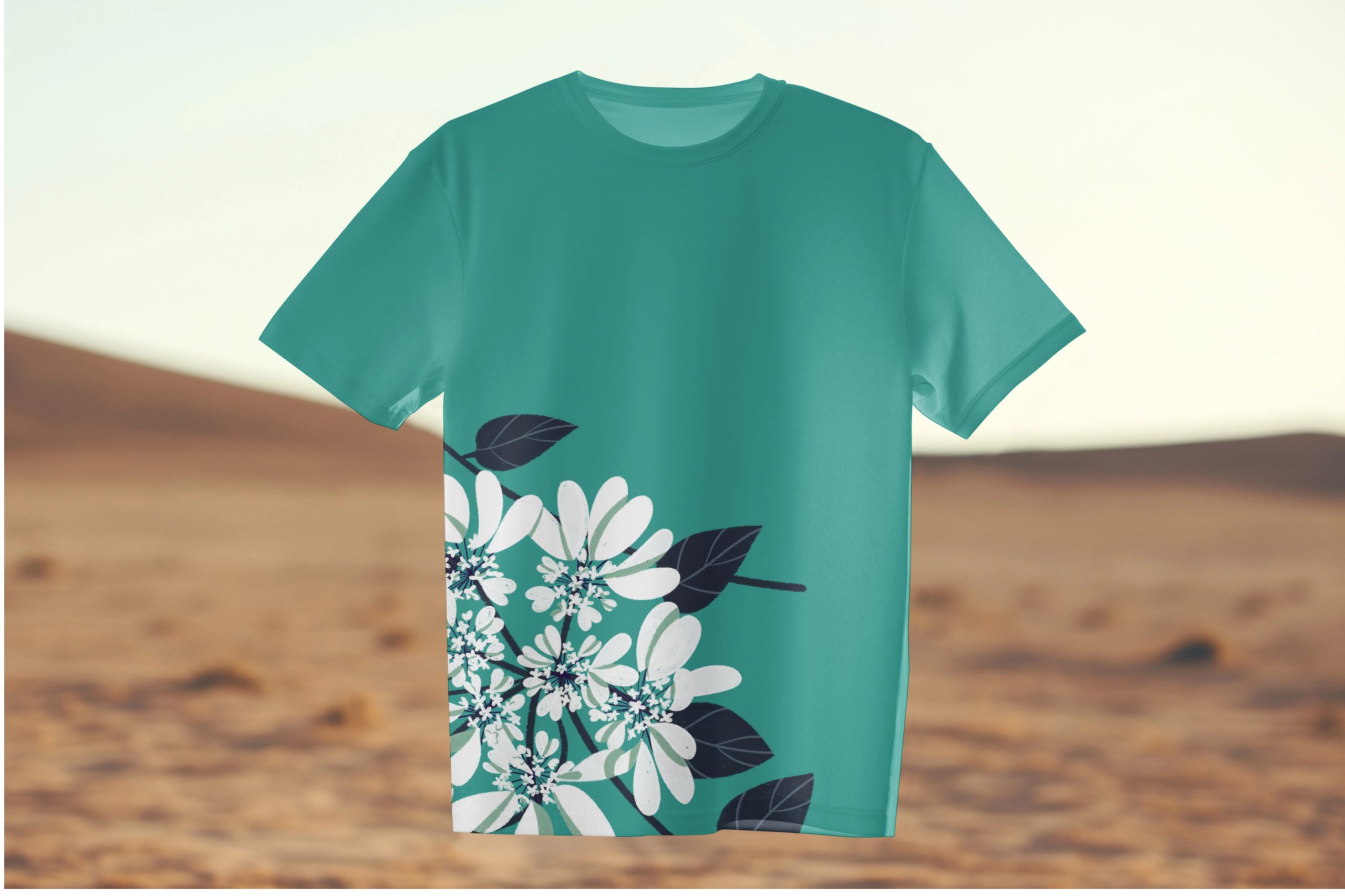
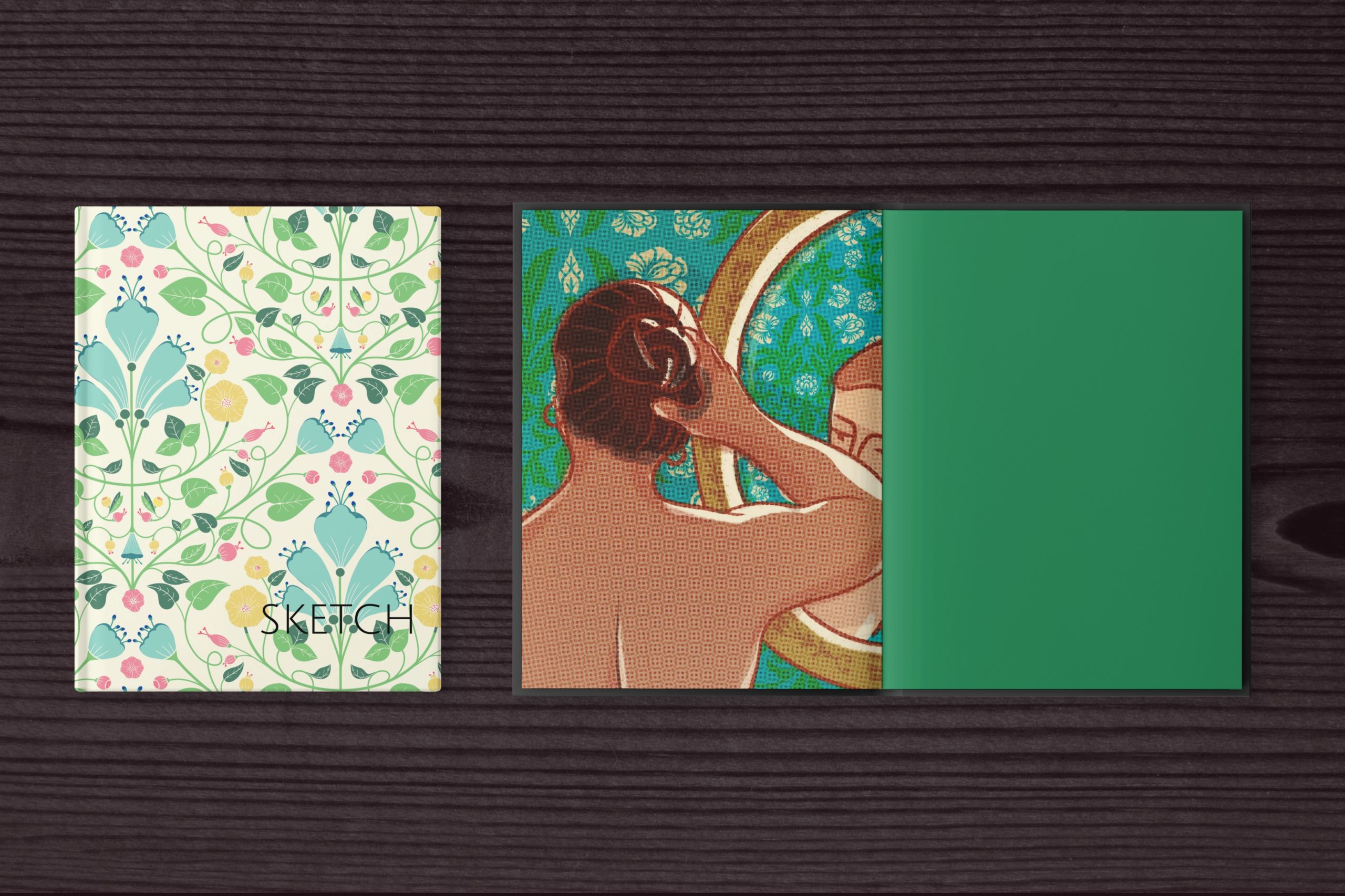
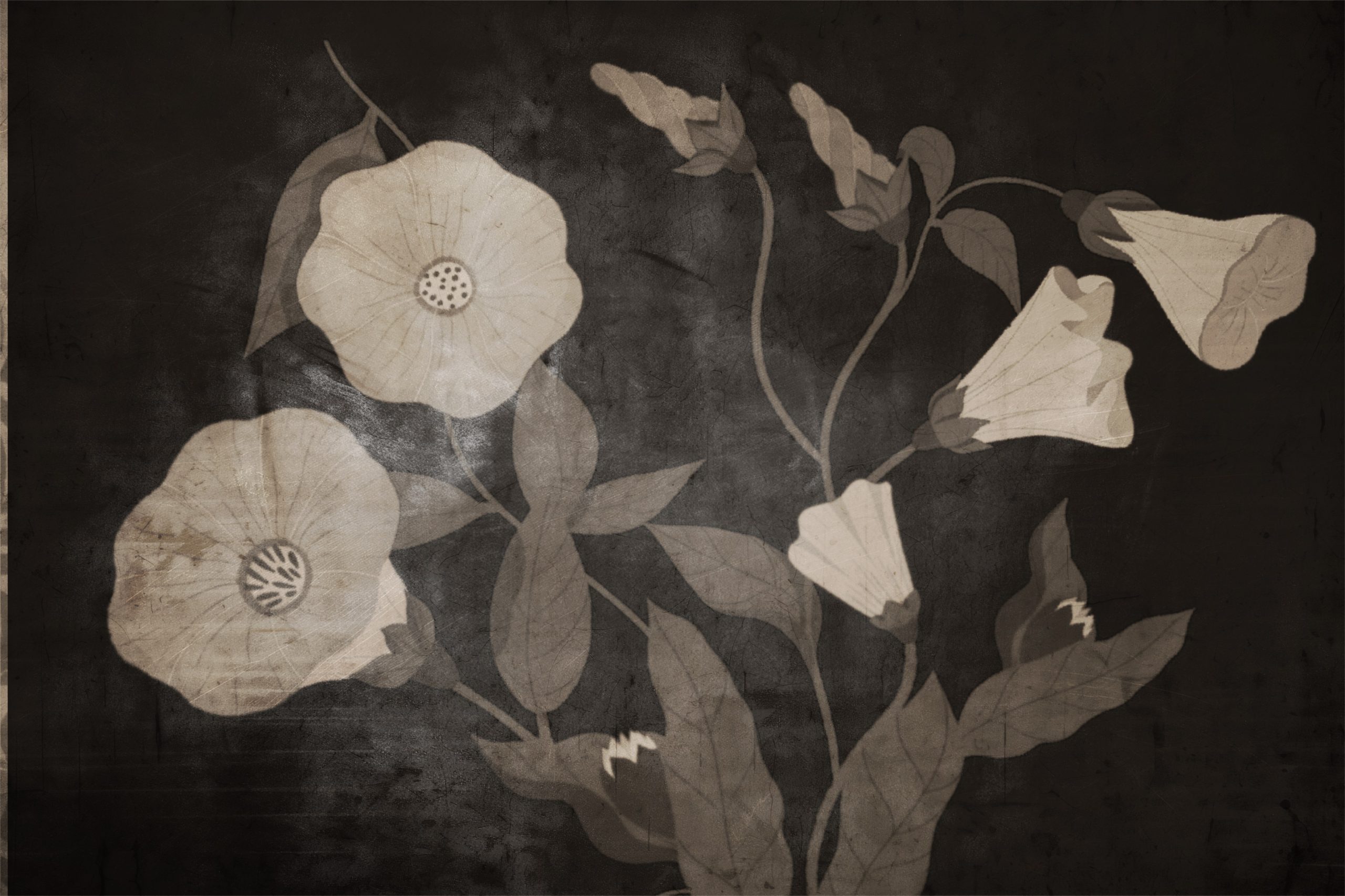
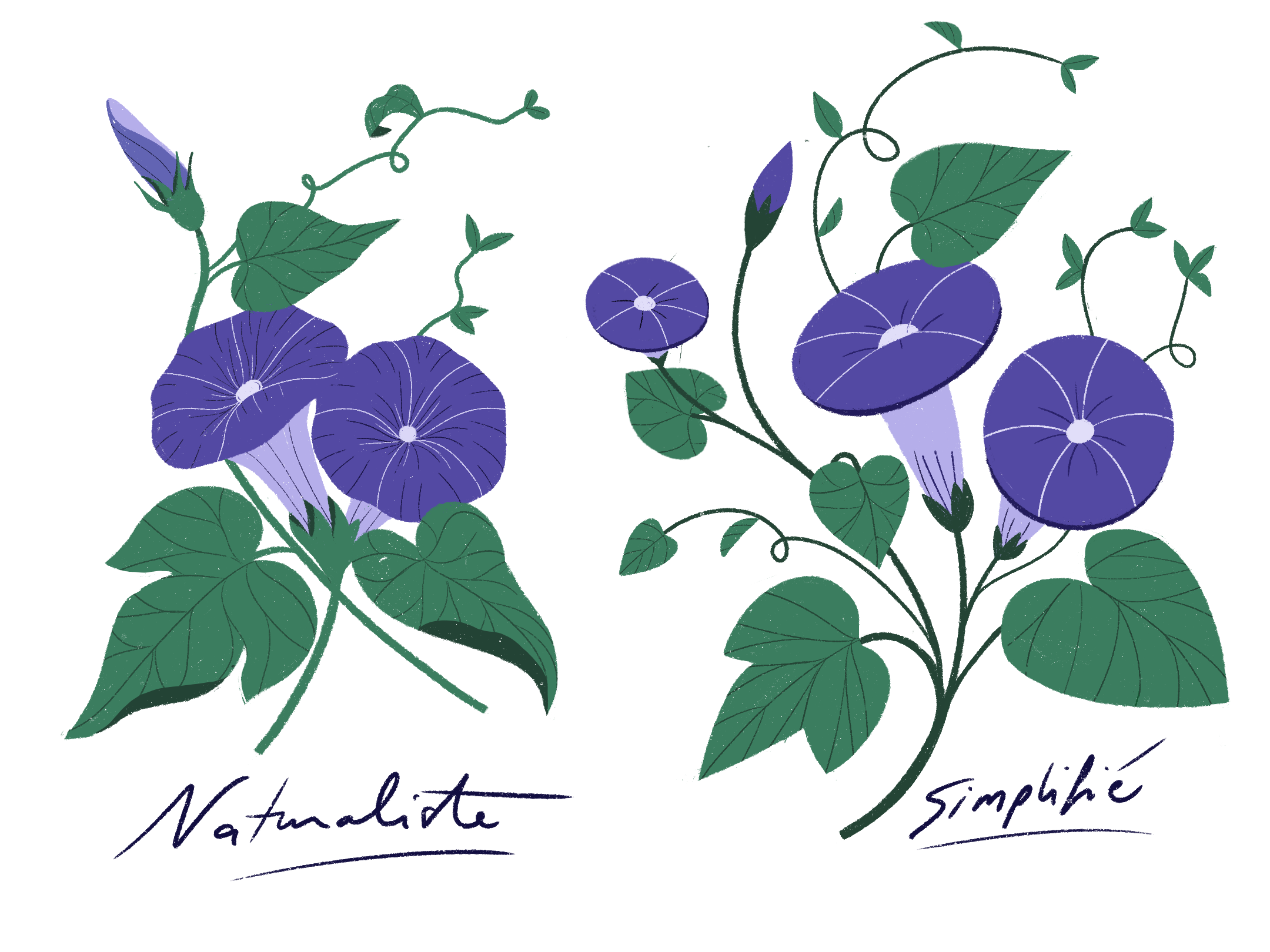
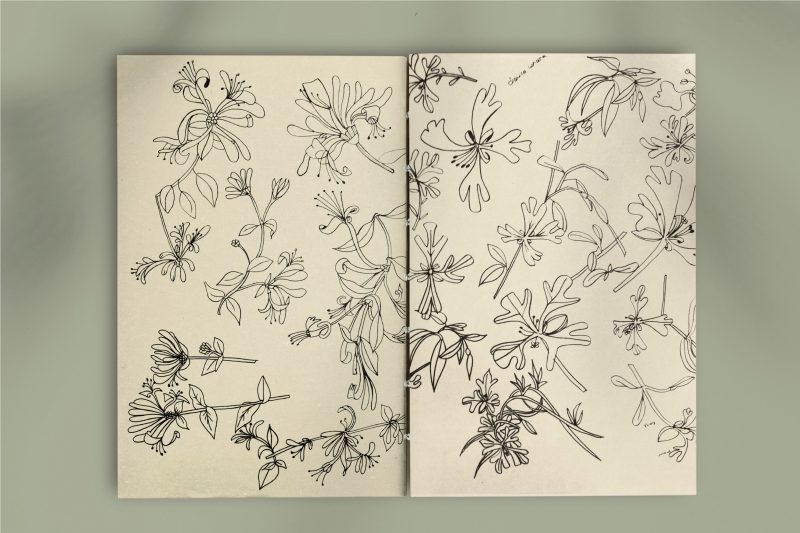
Before starting any new pattern design, I like to explore my flowers and leaves mood. I am going for simplified realistic shapes or making my own imaginary mix? here used ny graphic exploration of Morning Glory lines. (in portfolio)
Un filtre rawpixel m’a donné envie de piocher des images par ci par là – Pour qu’elles disent autre chose que leur rendu en isolation.
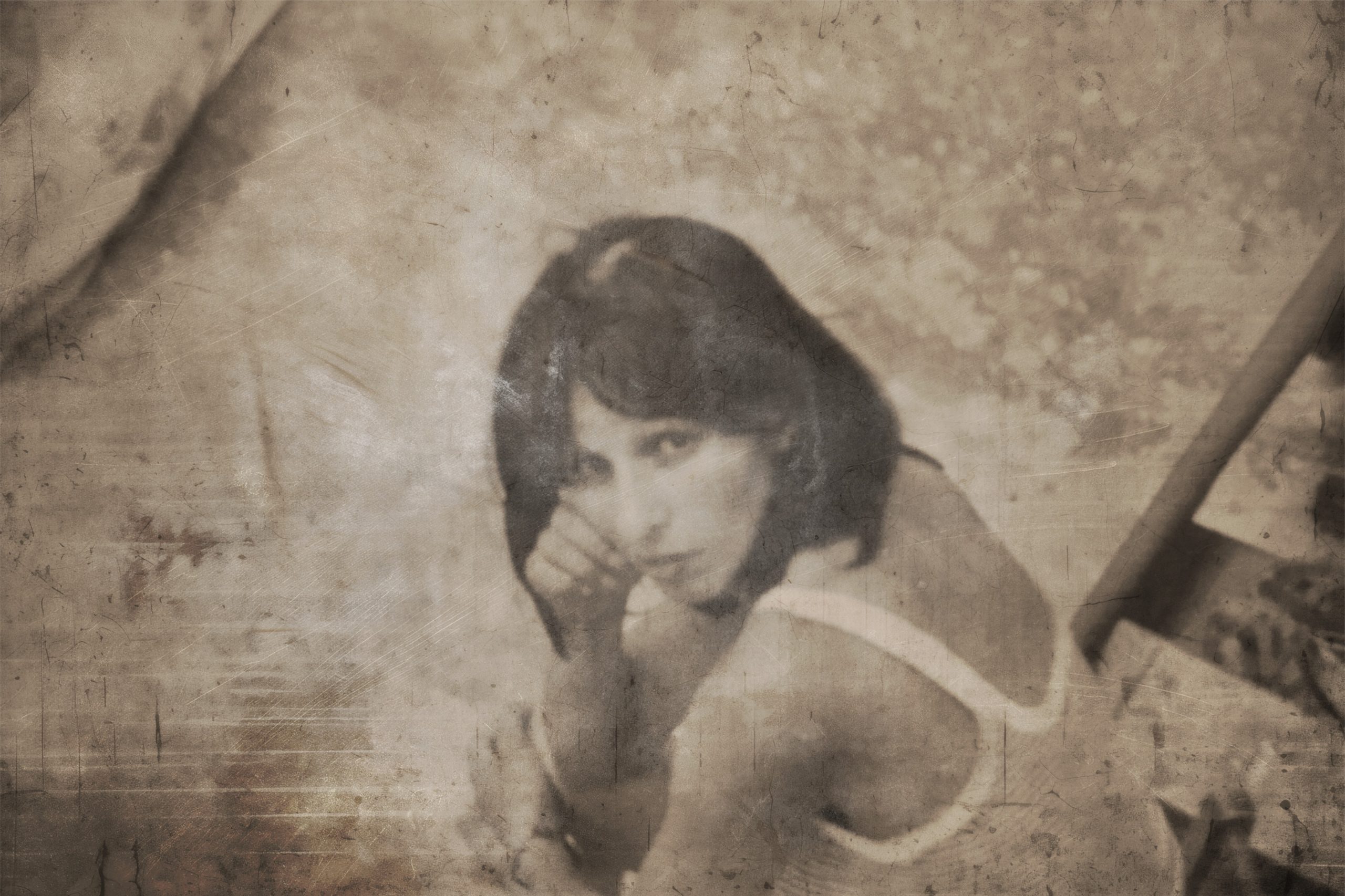
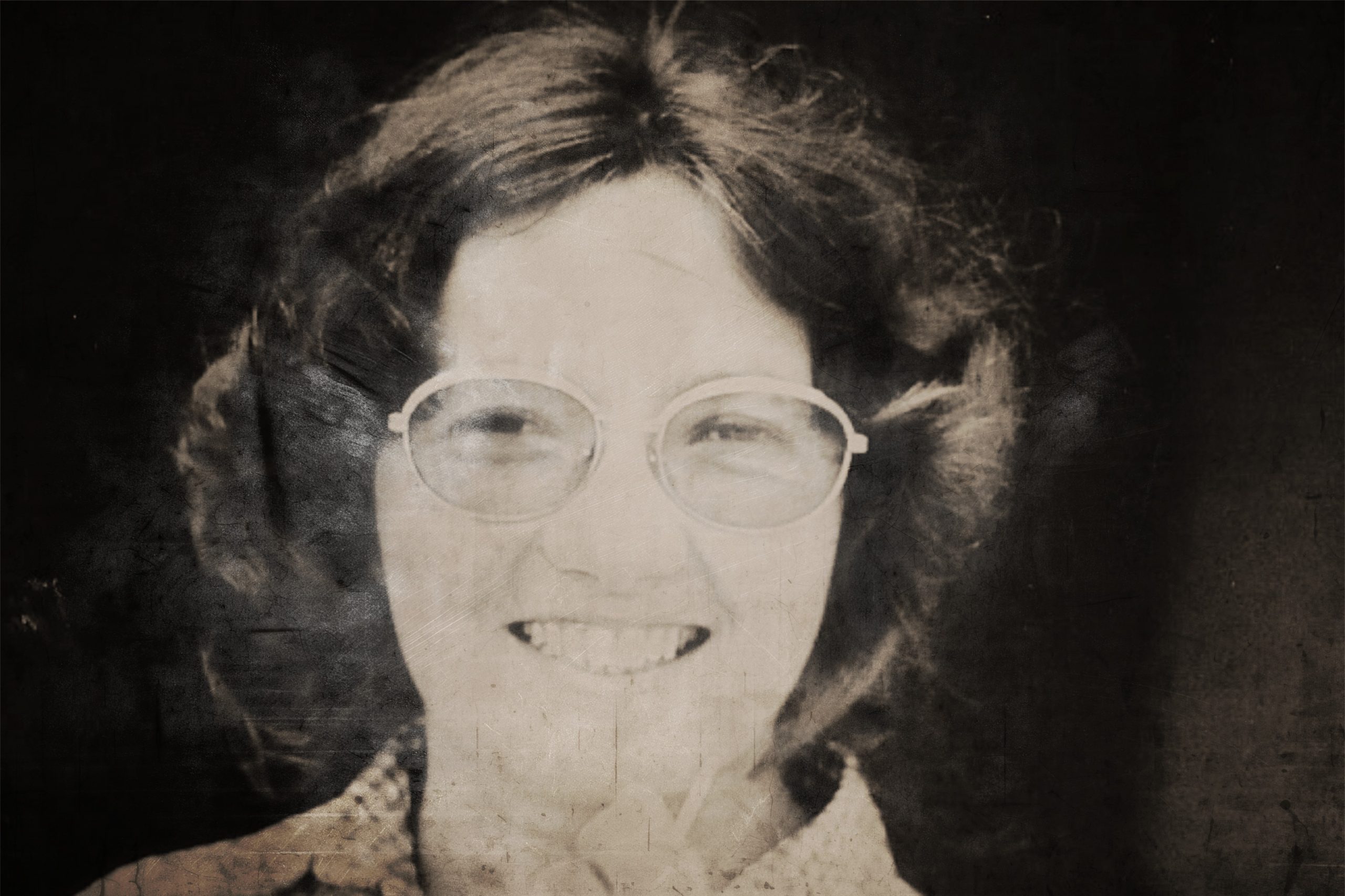
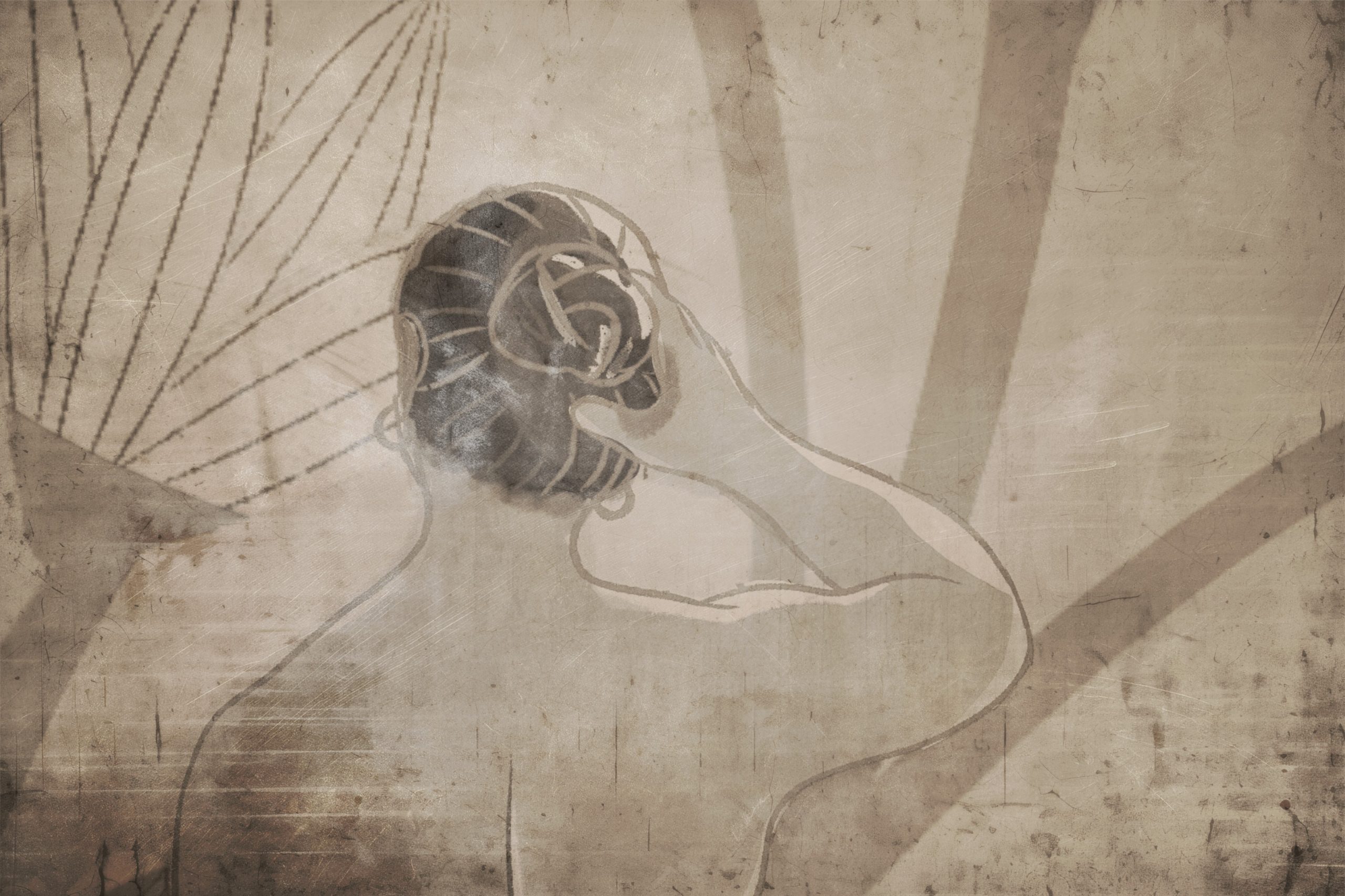
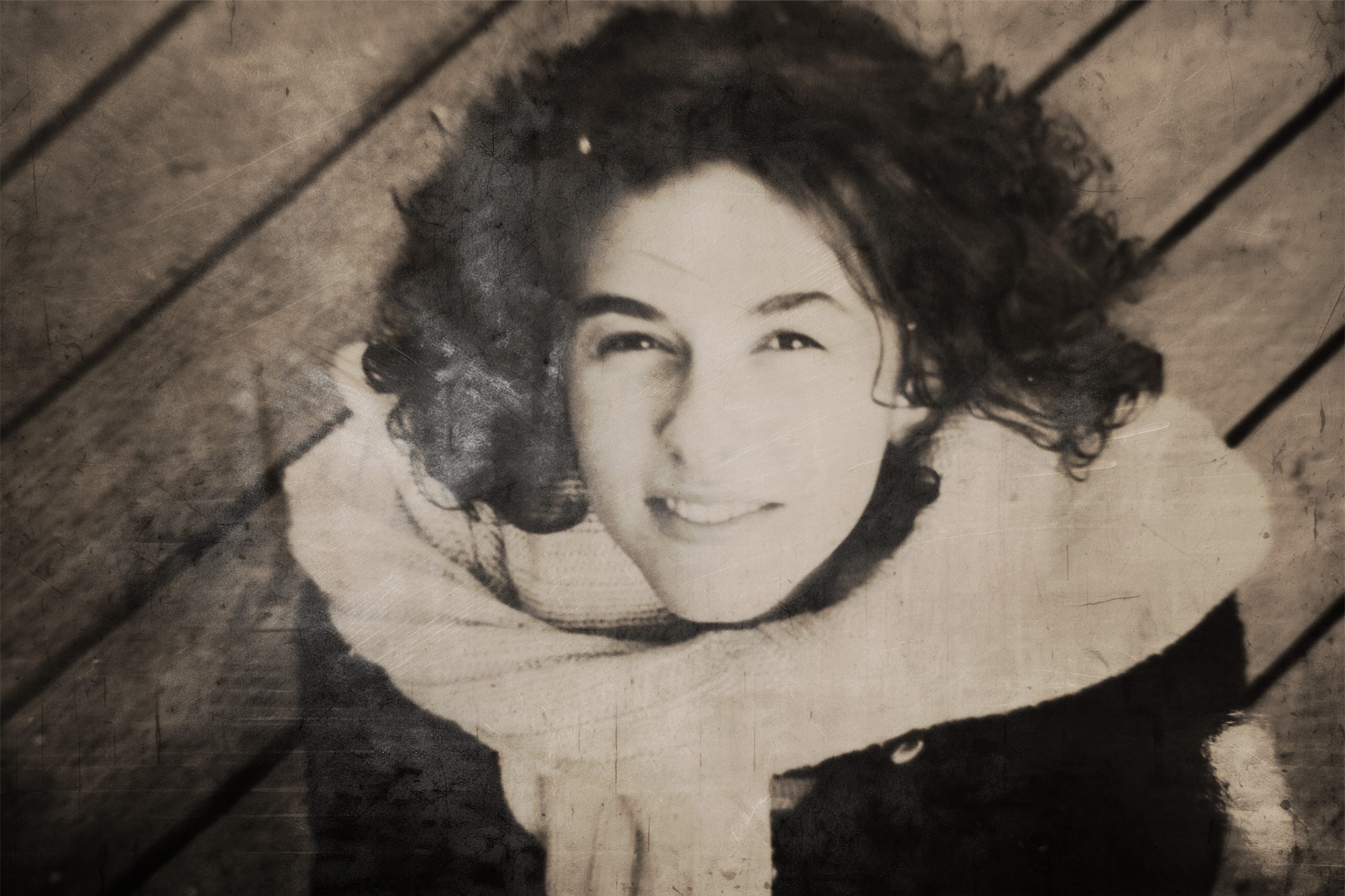
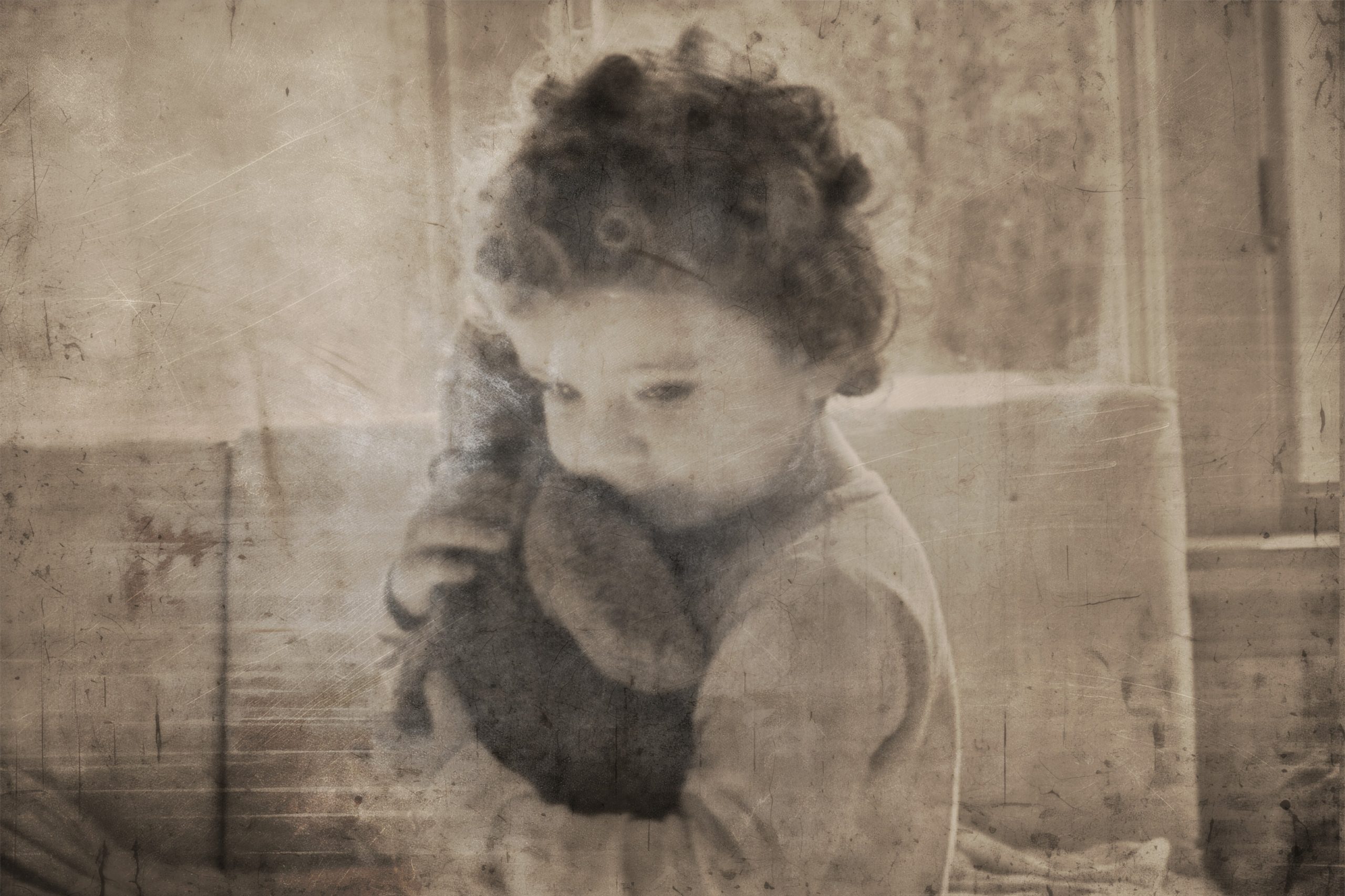
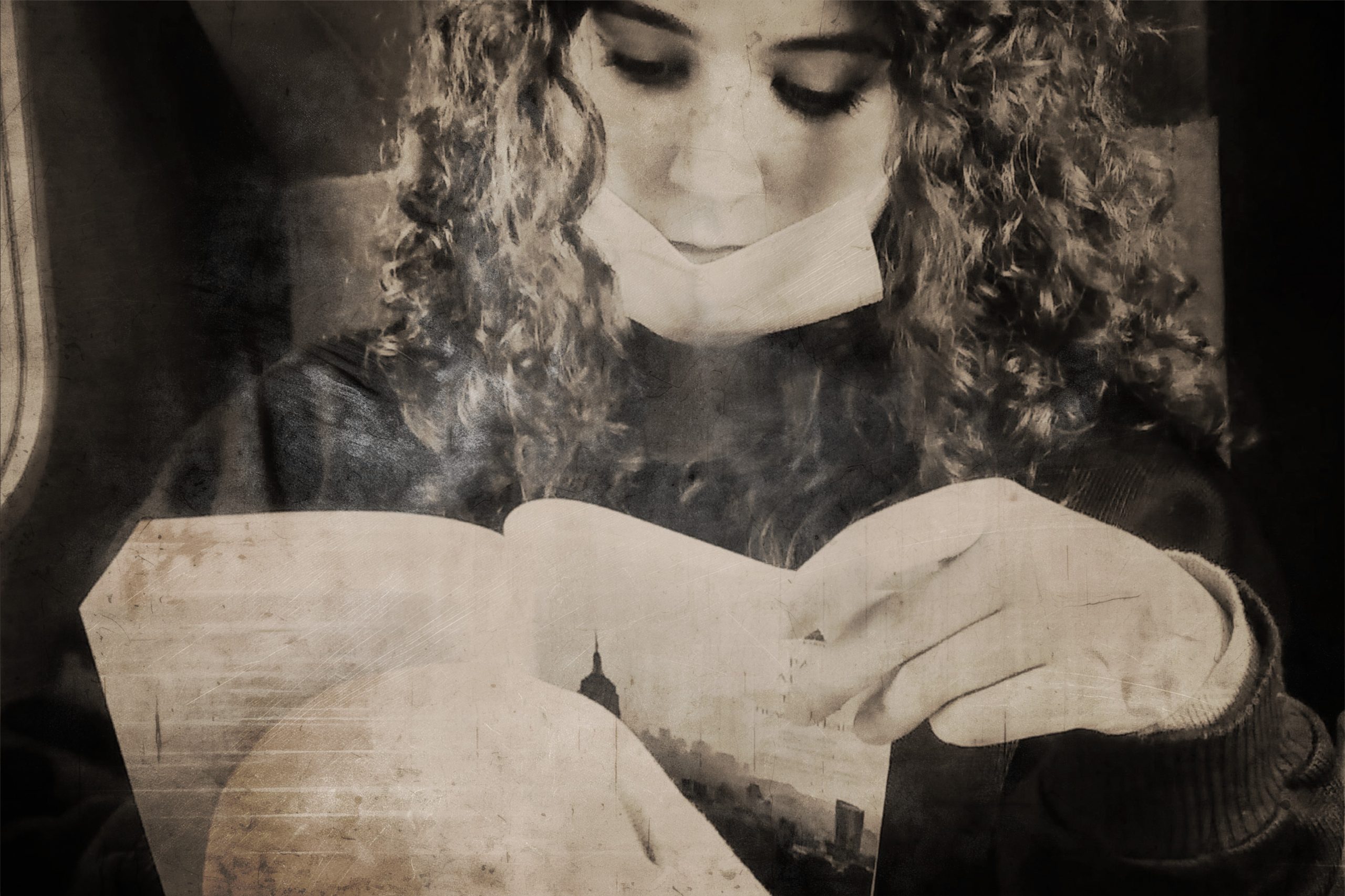
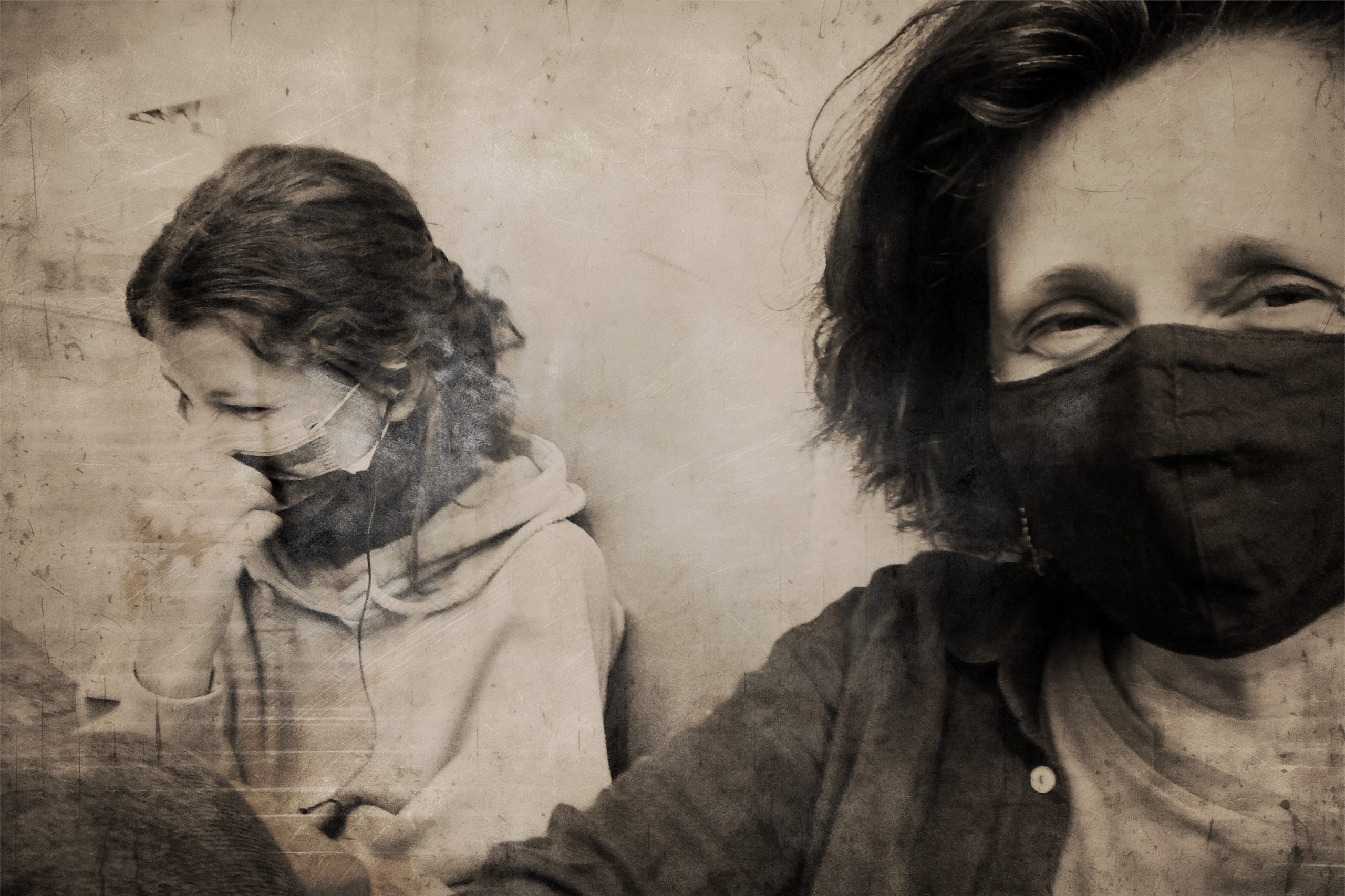
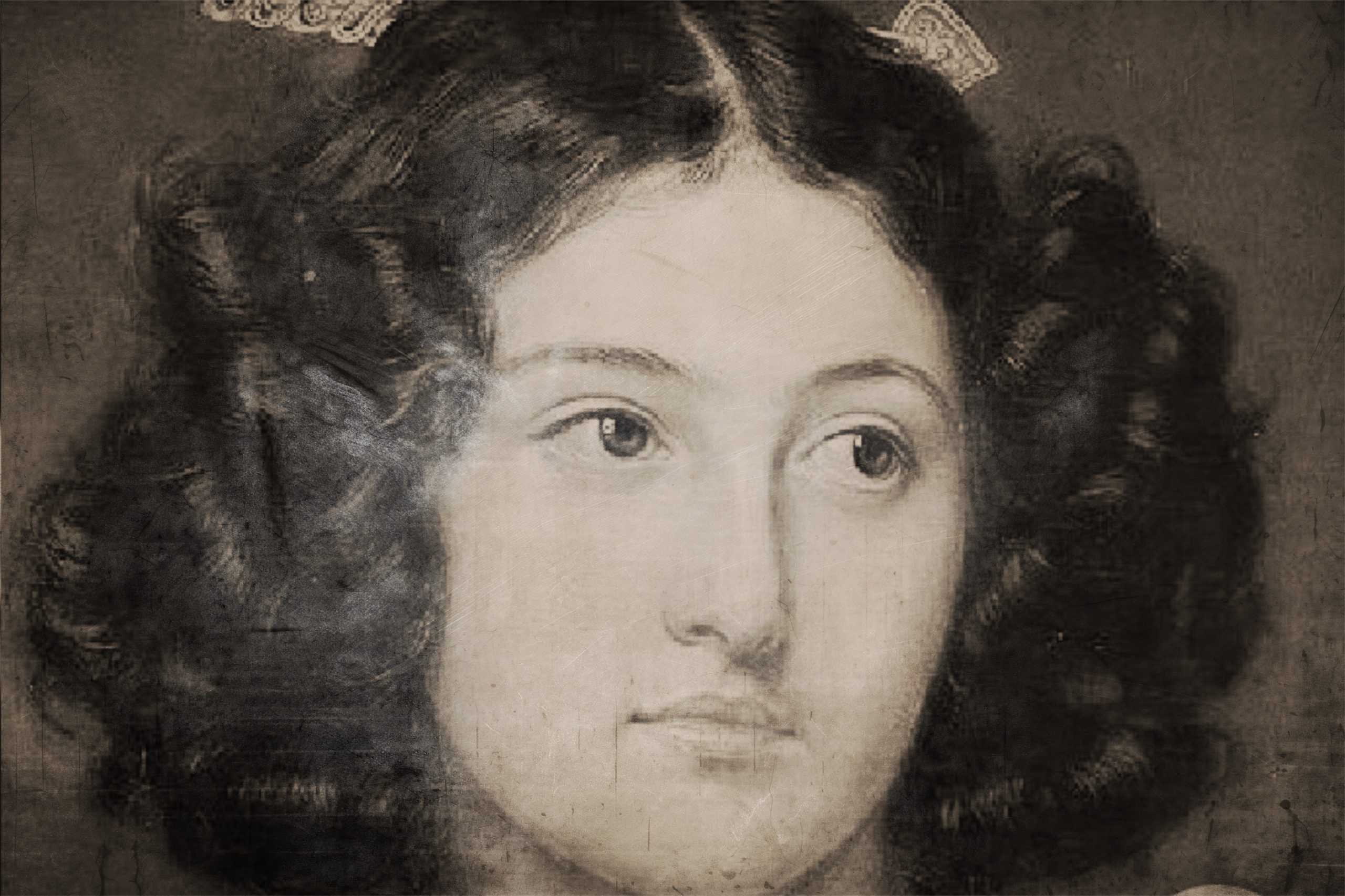
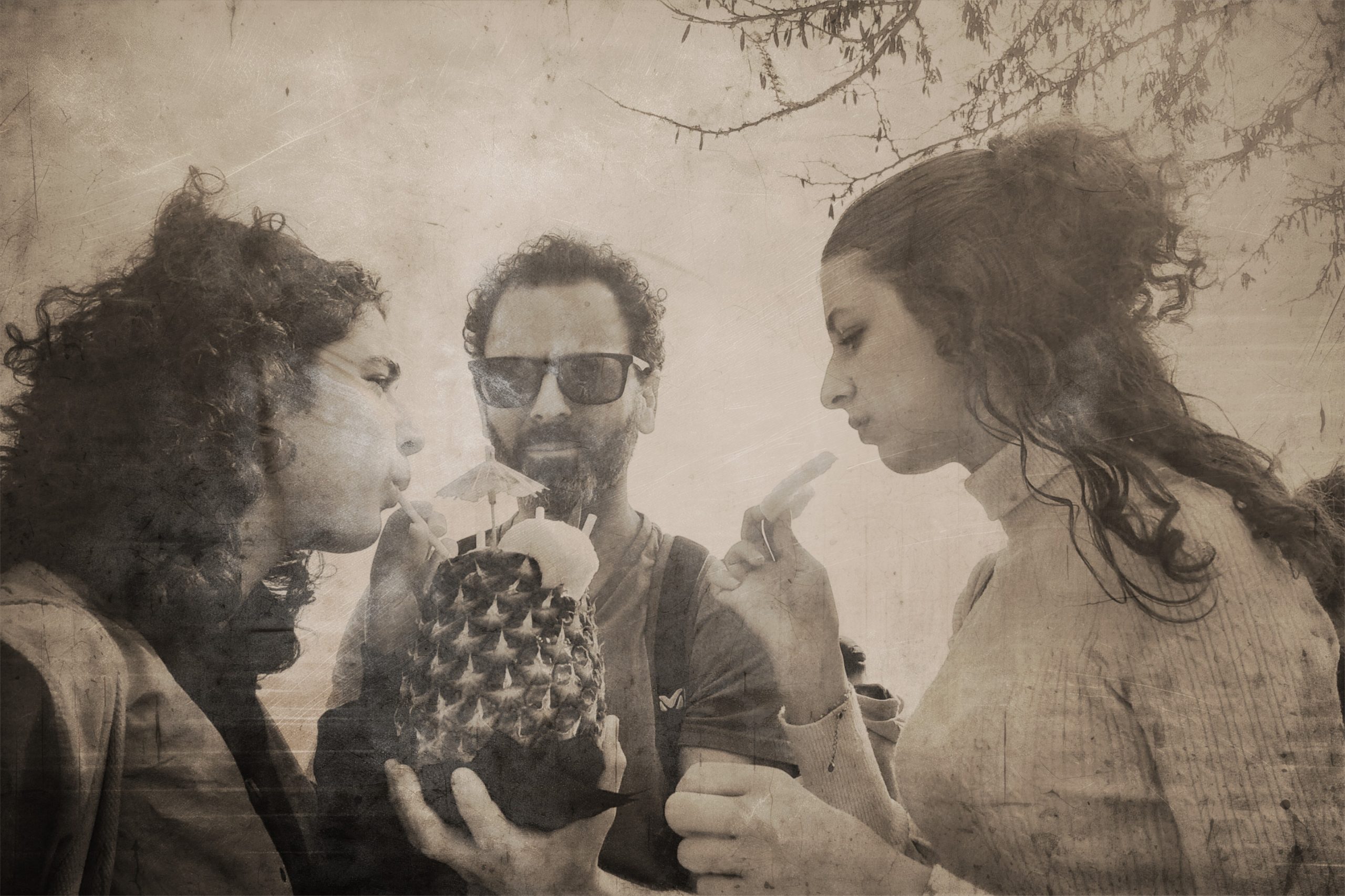
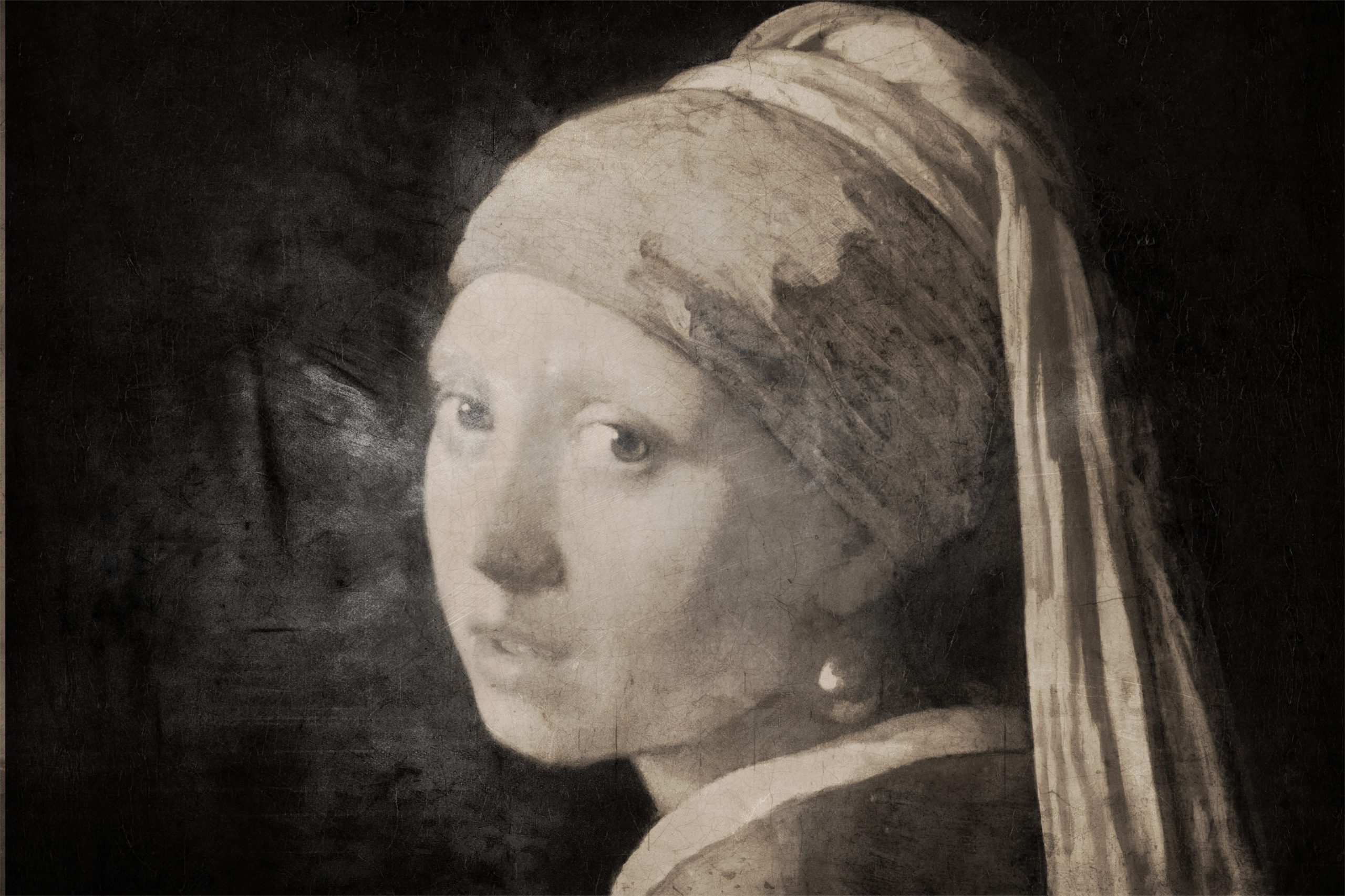
ici c’est juste une juxtaposition de photos sans cohérence de lieu et de temps – des photos de familles, des dessins, des images publiques posées aléatoirement: quelles images mentales, quelles idées, quels mots surgissent d’un tas de photos mis à plat.
Apres coup, ce post m a rappelé quelque chose de pas encore lu ” Les gens dans l enveloppe ” d Isabelle Monin. Je vais le lire dans la foulée.
“Les filles dans les années 70, elles s’appellent soit Isabelle, soit Laurence soit Stephanie”
I.Monin
“Est ce qu on les connais, les gens dans l’enveloppe ou est ce que l’on ne connait que l’enveloppe des gens?”
F. Bunsnel ( a grande librairie)
C’est fou comme deux phrases ou deux images juxtaposées sans intention, par d’ autres, nous donnent des envie de découvrir du sens à la spatule et aux pinceaux. Non pas du vrai mais du vraisemblable, non pas de l’avéré mais du possible.
« ..d’autres textes sont présents en lui à des niveaux variables, sous des formes plus ou moins reconnaissables : les textes de la culture antérieure et ceux de la culture environnante ; tout texte est un tissu nouveau de citations révolues. » Déjà Montaigne : « Nous ne faisons que nous entregloser. » (Essais, III, xiii)
Je pense aussi à ces voix que l’on entend et qu’on identifie en moins d’une seconde, qui nous sont plus proches que celles de nos vies quotidiennes, Robert Badinter , Simone Veil, Kamel Daoud et Romain Gary …
… et dans la même veine, pourquoi la mort de Paul Auster nous attriste à ce point. Pourquoi ce qui ressemble à une forme de manque, d’une présence/absence d’un inconnu?
Clotilde Hesme – “Couper les virages paroles” – Alex Beaupain
Cette année, alors que je cherchais des cours de Qi Gong ou de Yoga, dans les faits, je me suis mise (en hobby light) au modelage avec un beau petit groupe de passionnées et j’en suis très contente. Ça fait un bien fou de voir et penser volumes et … rencontrer de la terre plus ou moins chamottée.
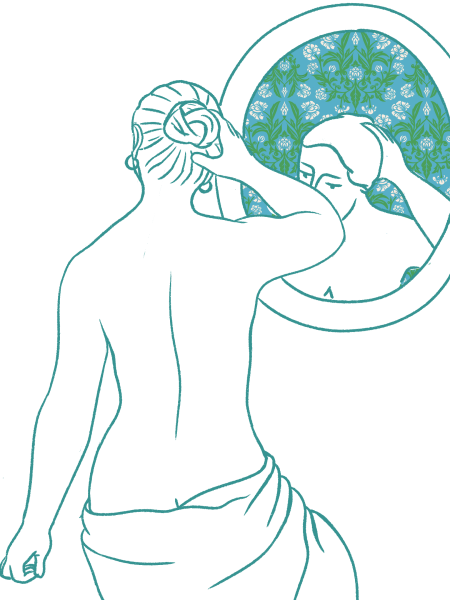
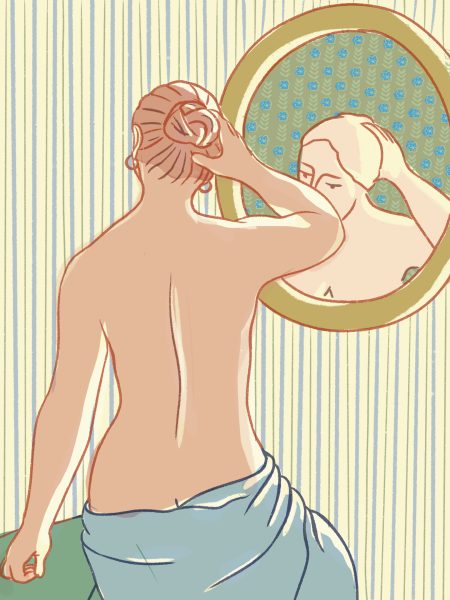
… et peut etre que ça me donne envie de re-considerer le corps dans ses representations, dessiner en simplifiant les traits … ceci entre 2 motifs fleuris. ici, j’ai mélangé les deux..
A key figure in the Arts & Crafts Movement, Morris championed a principle of handmade production that didn’t chime with the Victorian era’s focus on industrial ‘progress’.
William Morris prefers sentiments to sentimentality, natural simplicity to artificial profusion.
Critical of the industrial era, he does not object to the machine themselves but to their use by some to produce profit through the exploitation of other. He views art as an indicator of the health of the nation
W.Morris makes no difference between makers and thrive strives for equality and good design. However, because of his method of hand printing, his products only made it possible for the wealthy to buy his service
They based their work on a set of principle that where largely influenced by the social circumstances and victorian society and culture. this group became a force that will change the way people view and value the decorative art and its creators.
They create a new design trend: architecture, interior design, gardening, fashion
Moriss’s design is iconic and shape the art and craft movement as we perceived it today
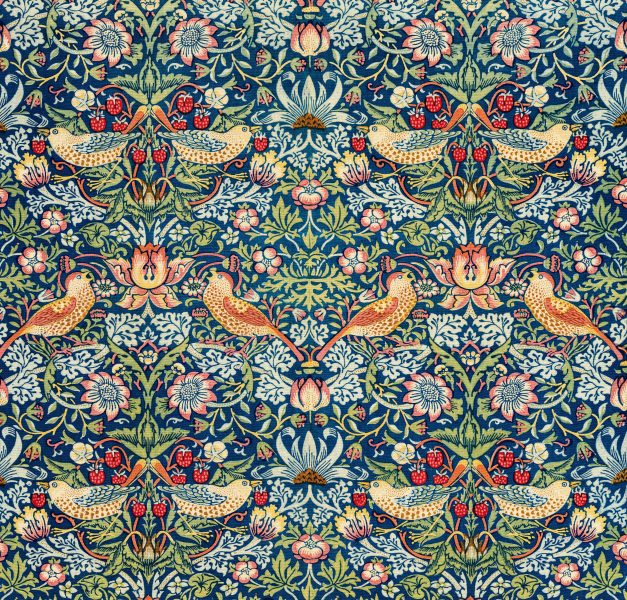
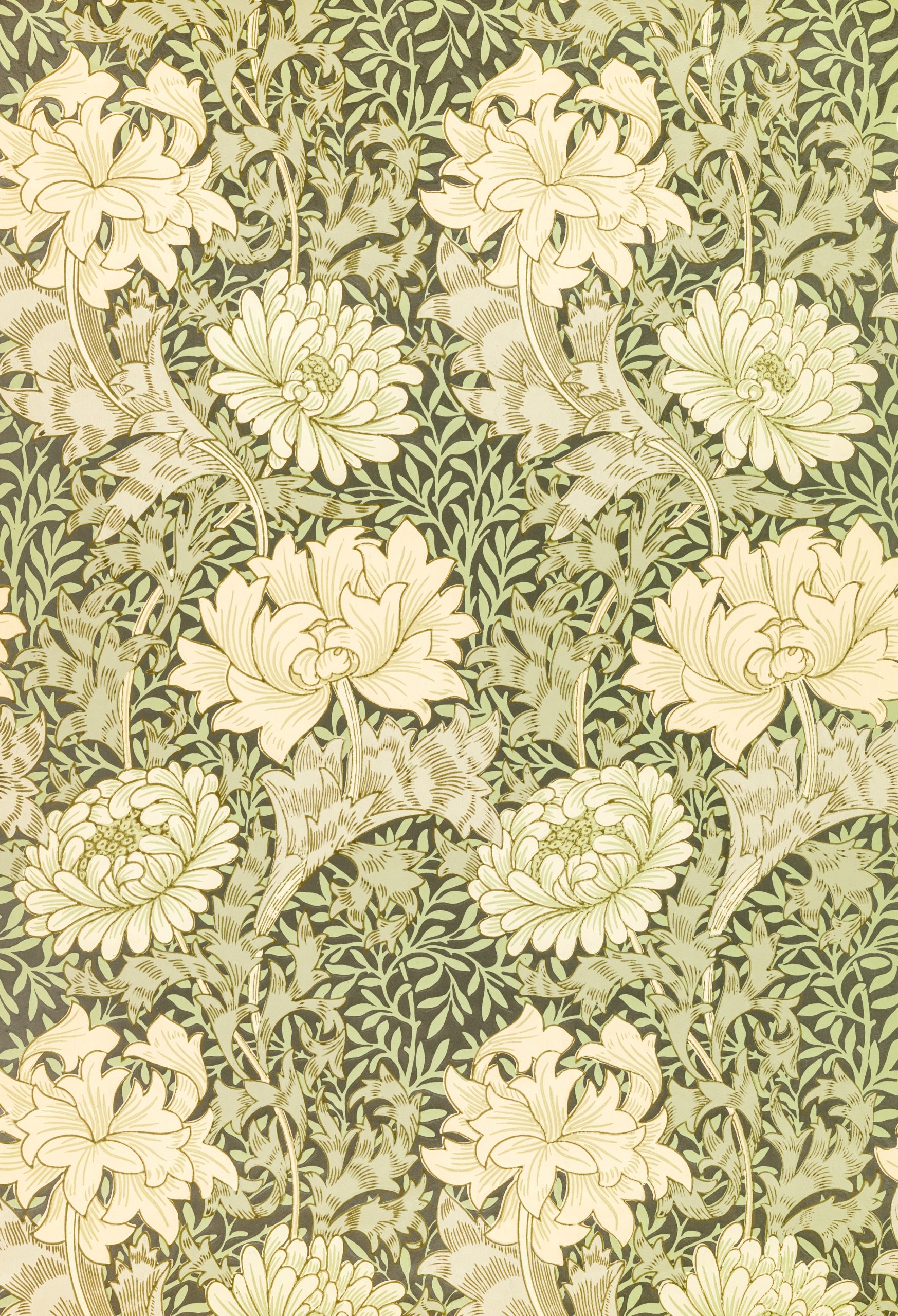
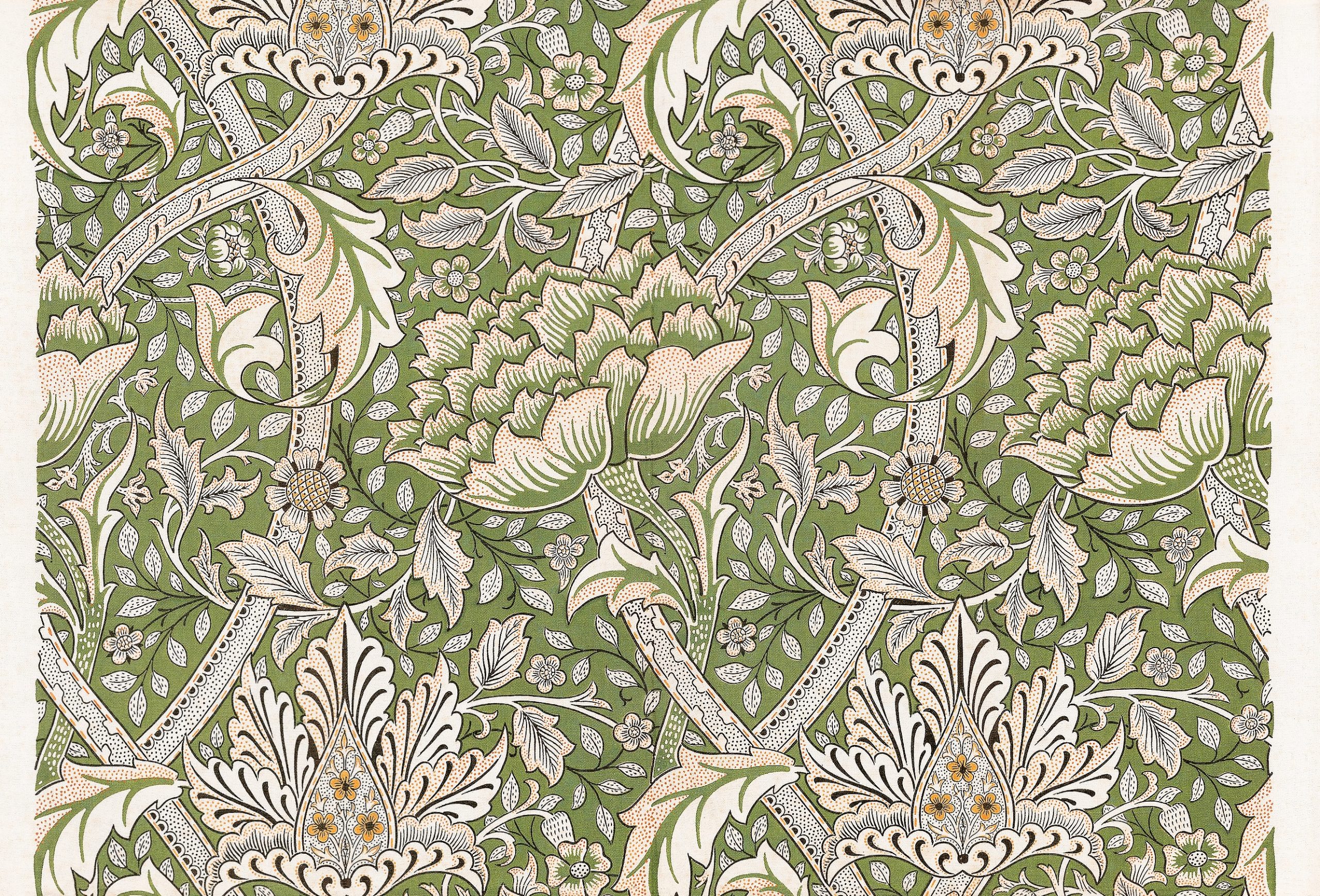
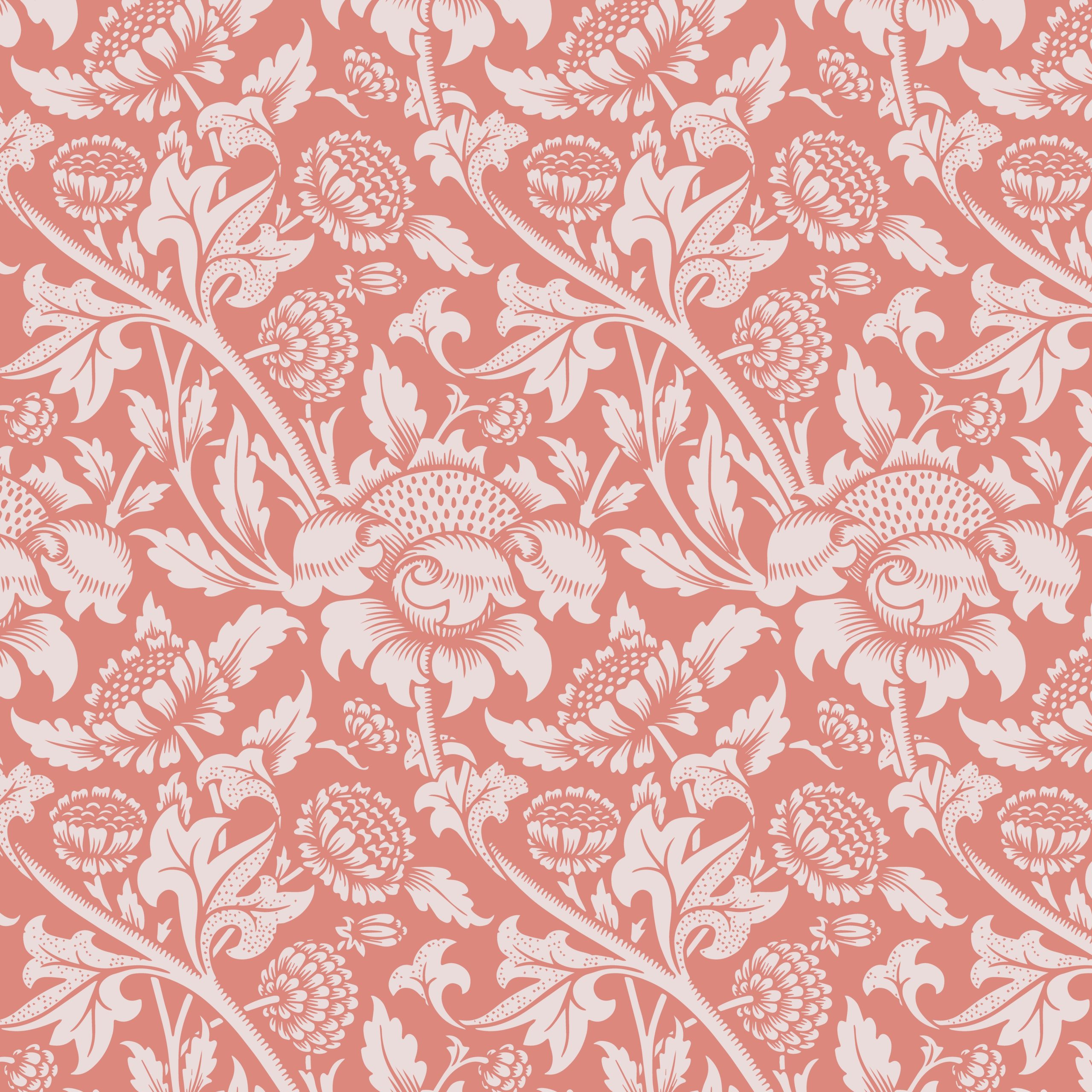
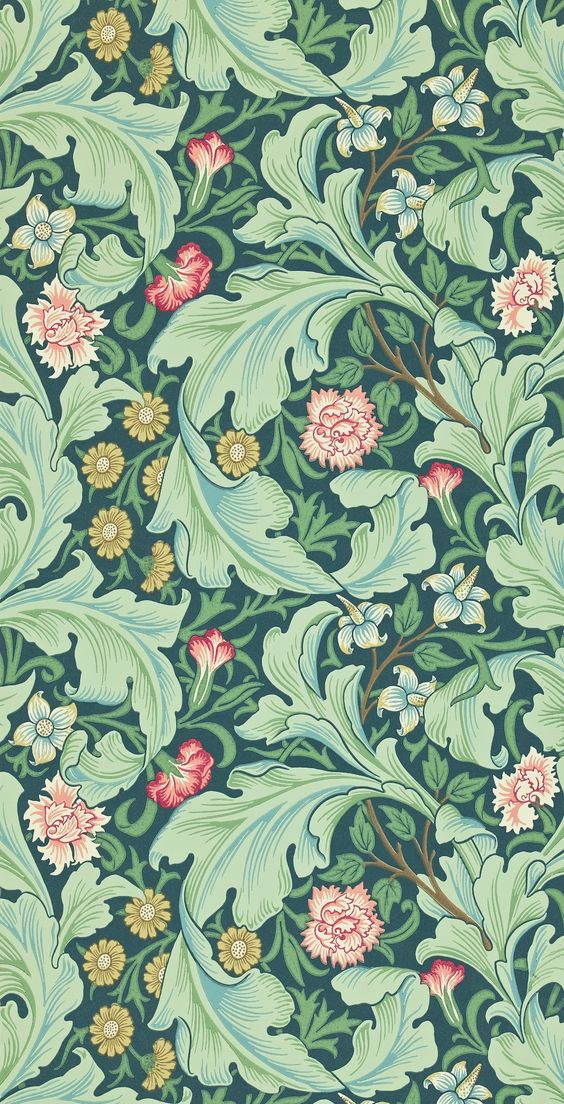
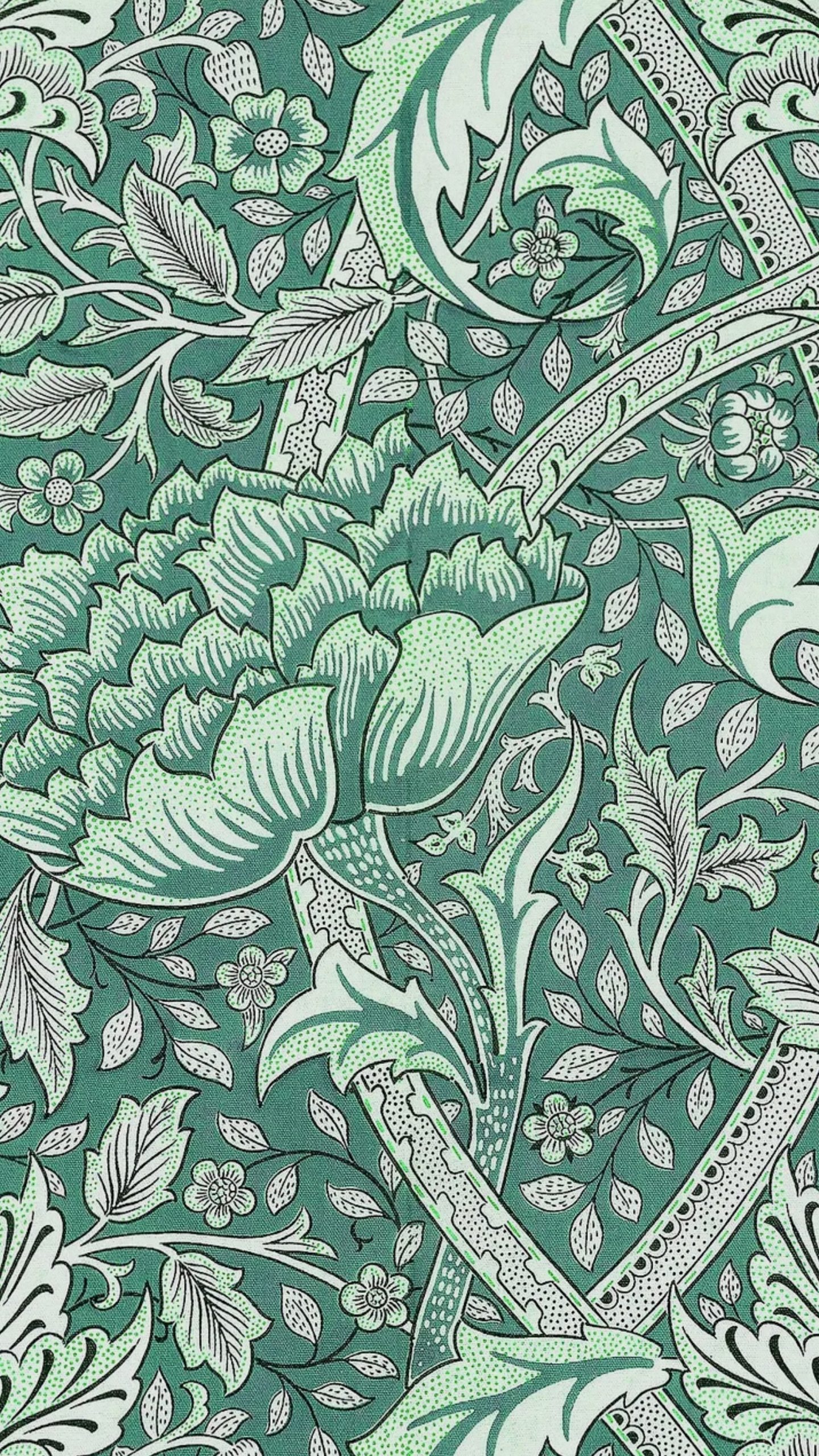
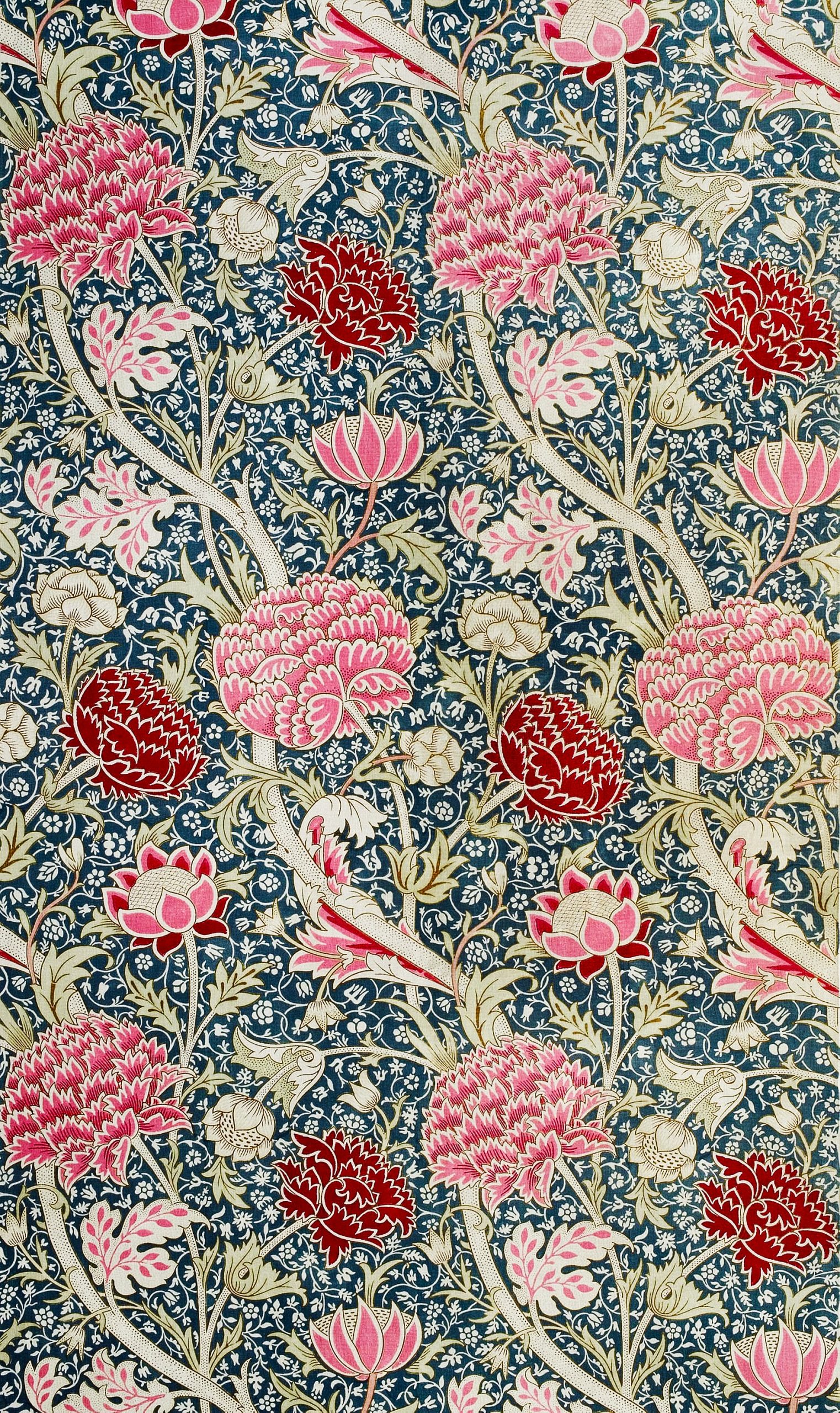
William Morris’s Chrysanthemum pattern (1877). Original from The Smithsonian Institution. Digitally enhanced by rawpixel.William Morris’s Windrush (191725). Original public domain image from The Art Institute Chicago. Digitally enhanced by rawpixel.
W.M relation to time is showing within his work:
The past is not dead. It is living in us and will be alive in the future which we are now helping to make.
W.M has no affinity with purely abstract pattern. He reject simple replication he seek a sens of hidden depth
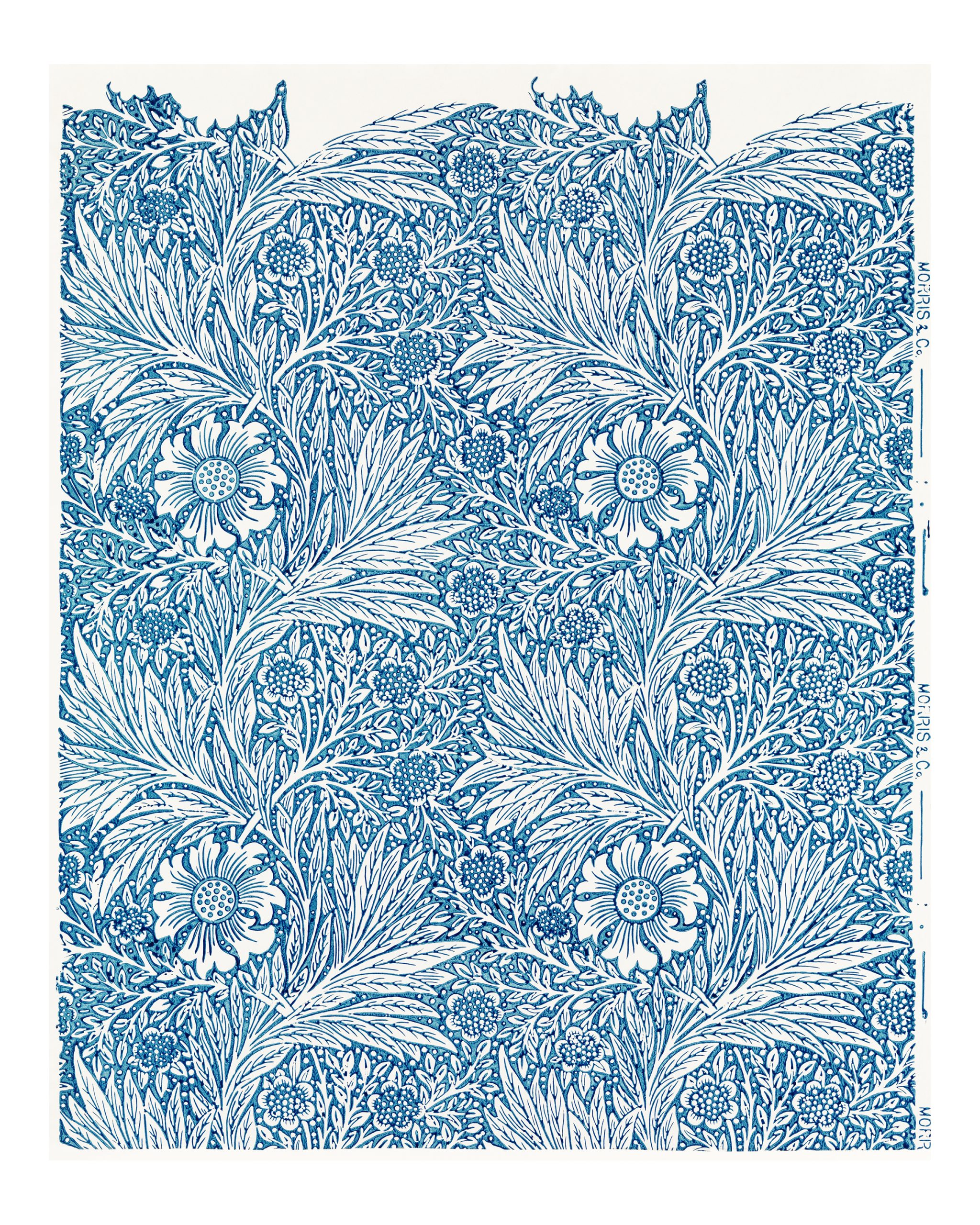
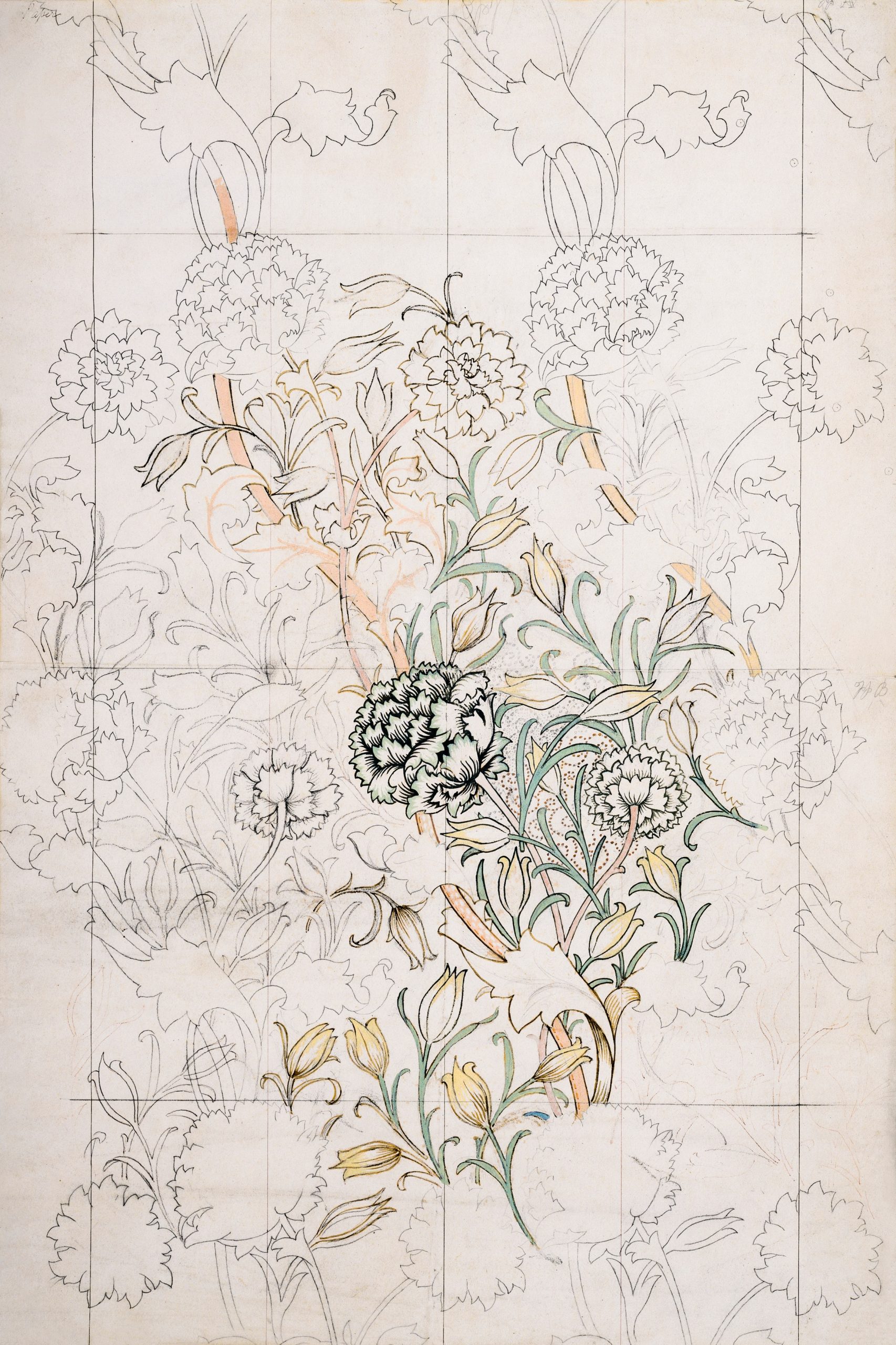
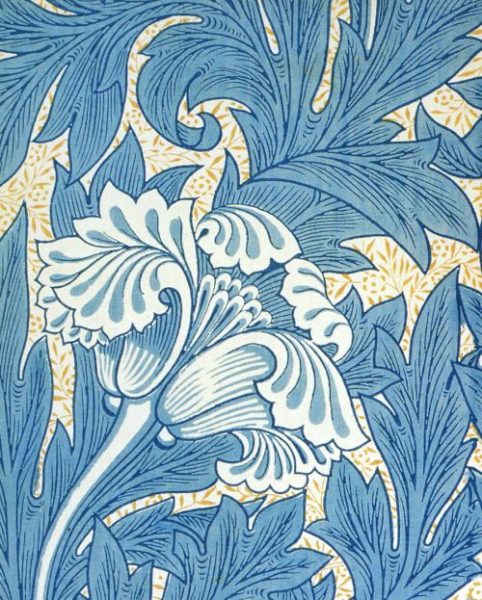
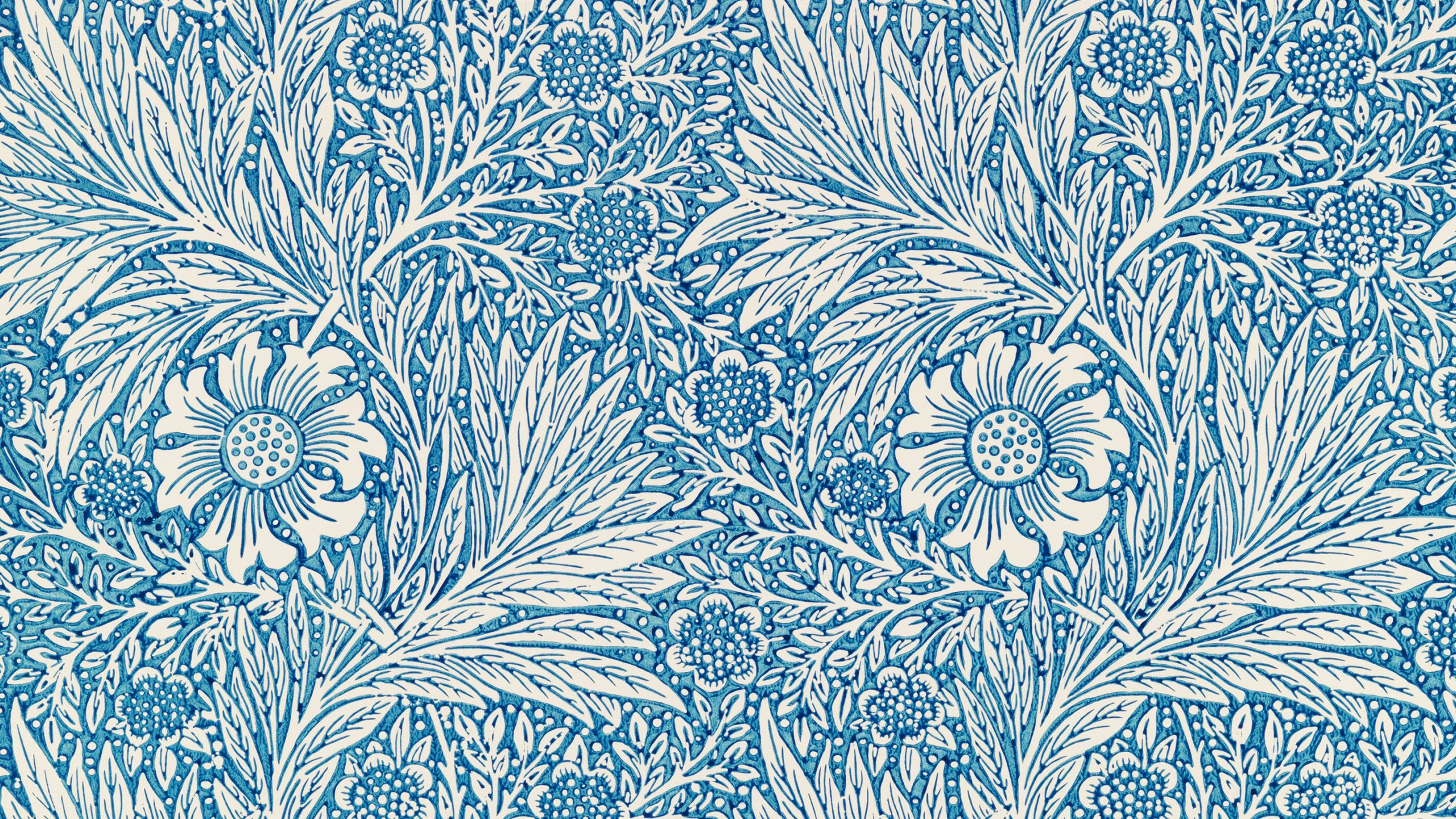
Blue marigold illustration wall art print and poster design remix from original artwork by William Morris.William Morris’s Wild Tulip (1884) famous artwork. Original from The Birmingham Museum. Digitally enhanced by rawpixel.
principle of art & craft movement
Principle 1
Design should be created in context to the environment not for its own existence or for admiration only. he creates pattern with an intention and purpose (create pattern that will work well on specific product)
INTENTION AND PURPOSE ARE PARAMOUNT !
Principle 2
Design should first be created out of function after that is achieved ornament and decor an be added in Morris work there was never redondance or unnecessary details
START WITH THE FUNCTION !
Principle 3
Design should be true to purpose and its material, honest in how it is created. It shouldn’t imitate or look like something.
This is why the art & craft style was created in a two dimensional matter with simplified and stylised animal, plants motifs.
it should not try to look real but only to borrow the beauty of the nature and use it as a manner that complement the interior
stylise the motif to suits the suppose !
Principle 4
Use nature as your source of inspiration.
There are no abstract and non figurative design
All art & craft designer are inspired by nature with motifs of: – Foliage – Flowers – Animals – Fruits
Not to try to depict nature realistically but in a stylised way !
Principle 5
The designer should be involve in the whole process: from design to making… this mean learning and practicing every craft behind his product (design drawing, embroidery, waving, dying, printing…)
GET GOOD AT THE CRAFT AND DESIGN !
Try different technics and medias for creating pattern !
Chrysanthemum flower pattern ornament background
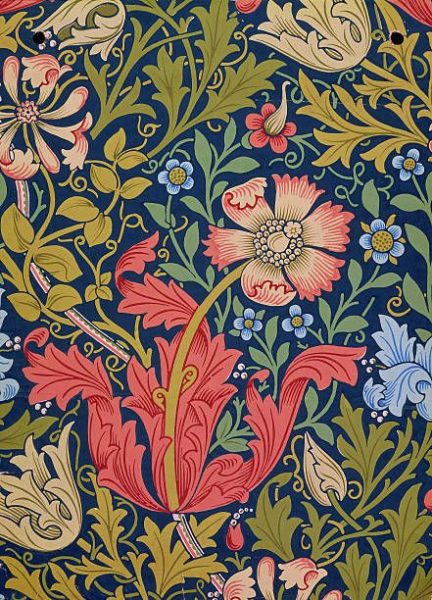
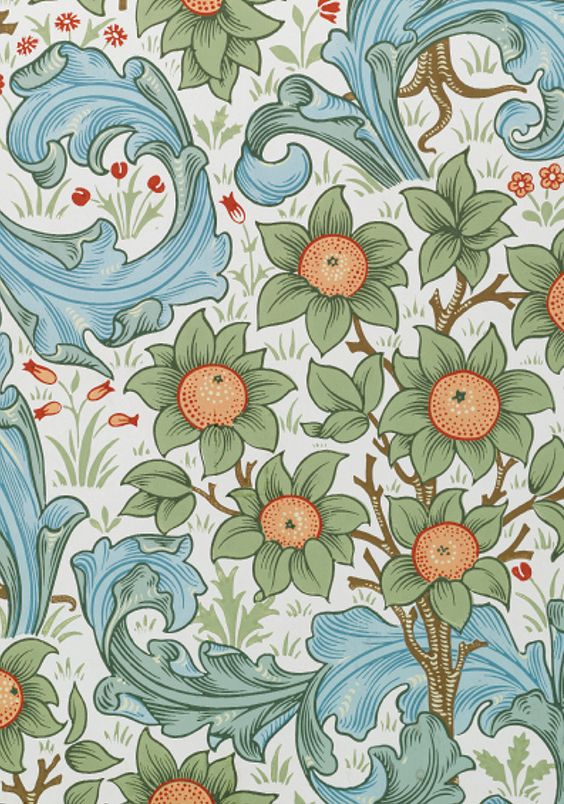
William Morris and J.H Dearl’s work (image in public domain)
William Morris and J.H Dearl’s work (images in public domain)
William Morris and J.H Dearl’s work images in public domain)
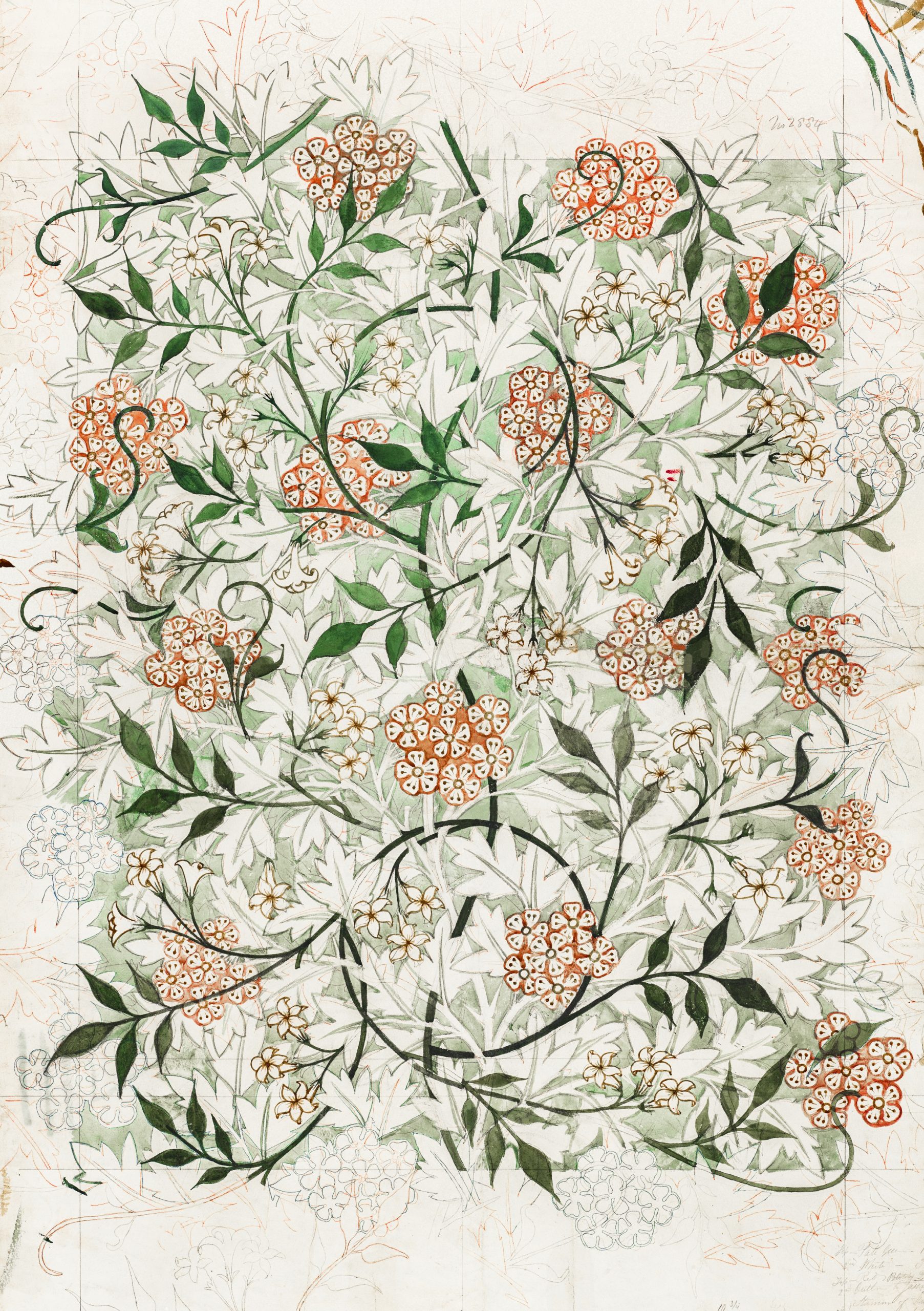
William Morris’s (1834-1896) famous Jasmine pattern artwork. Original from The Birmingham Museum. Digitally enhanced by rawpixel.
(images in public domain)
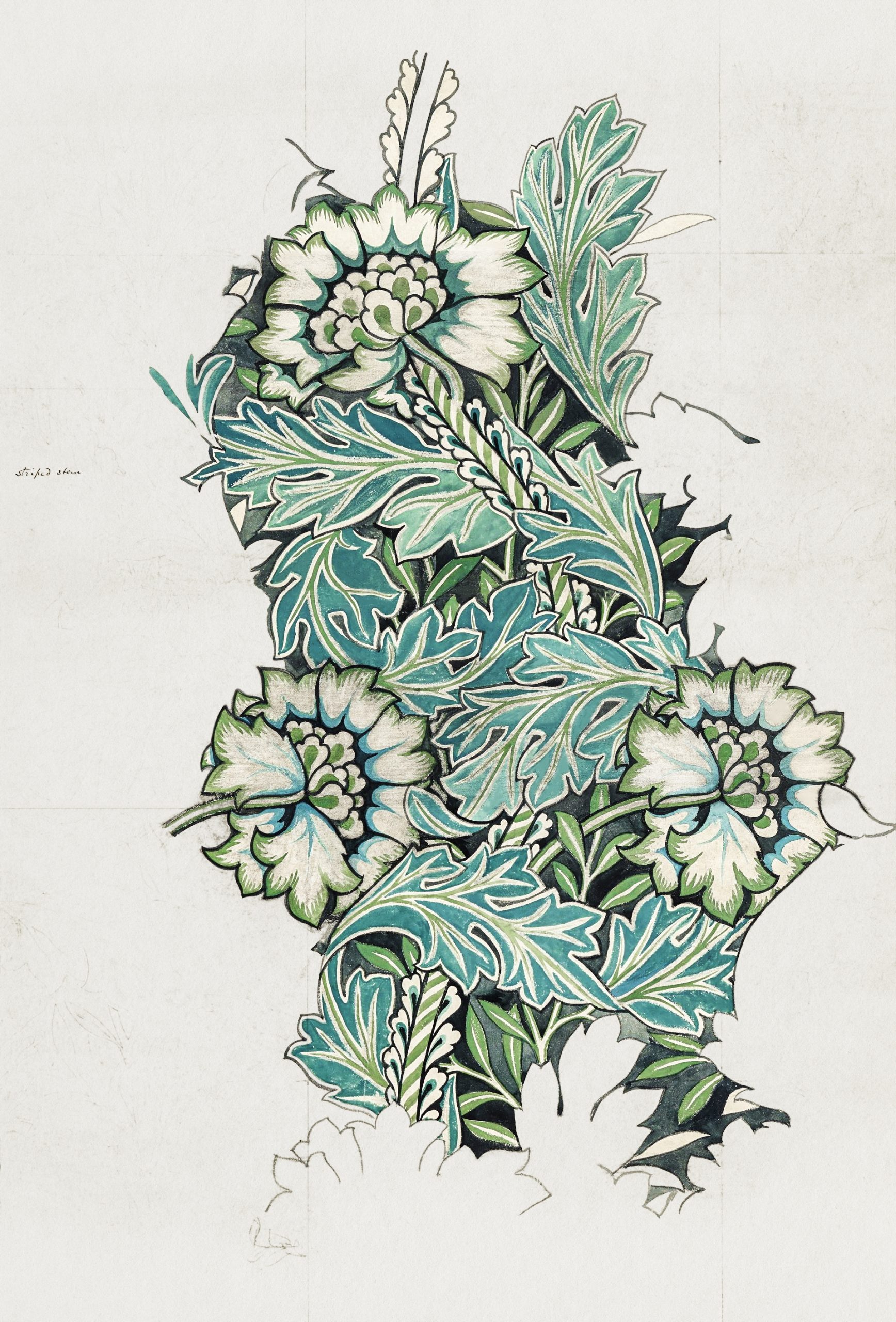
Blue pattern wallpaper, William Morris marigold desktop backgroundWilliam Morris’s Watercolour, woven fabric design: Anemone (1876) famous artwork. Original from The Birmingham Museum. Digitally enhanced by rawpixel.William Morris’ Windrush iPhone wallpaper, green botanical pattern background, remixed by rawpixel
(images in public domain)
William Morris & co seamless patterns – images in public domain
William Morris’s Cray (18841917). Original public domain image from The Art Institute Chicago. Digitally enhanced by rawpixel.
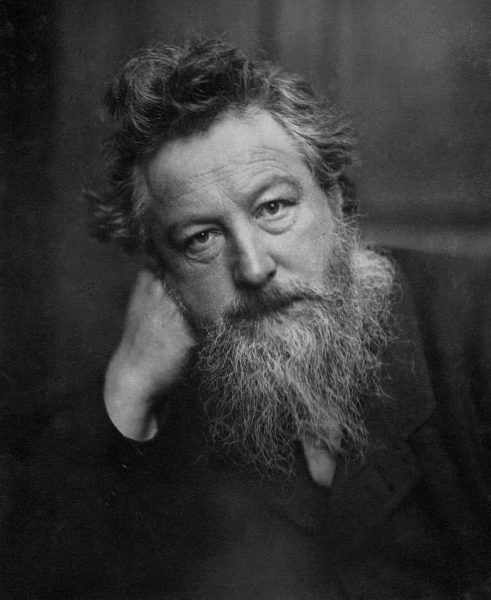
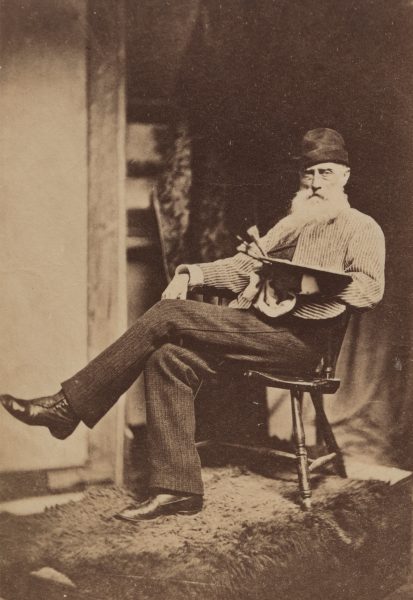
William Morris Hunt – Wallace Black,1896
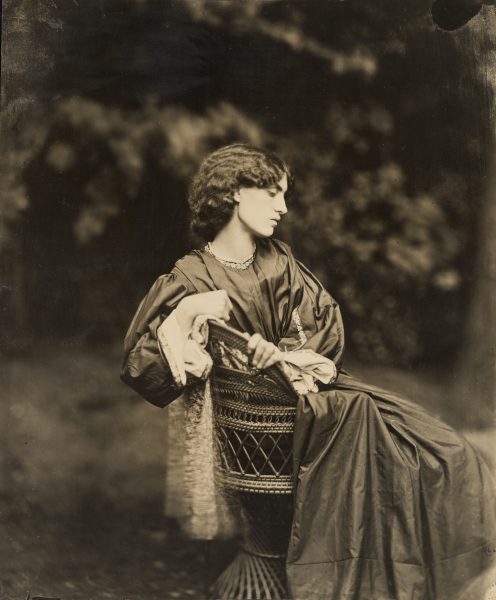
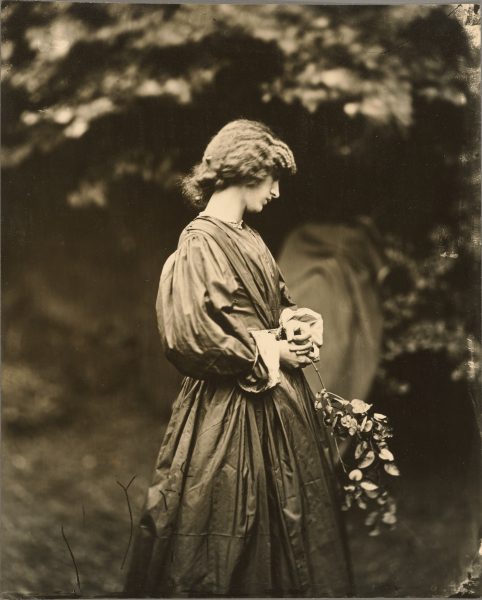
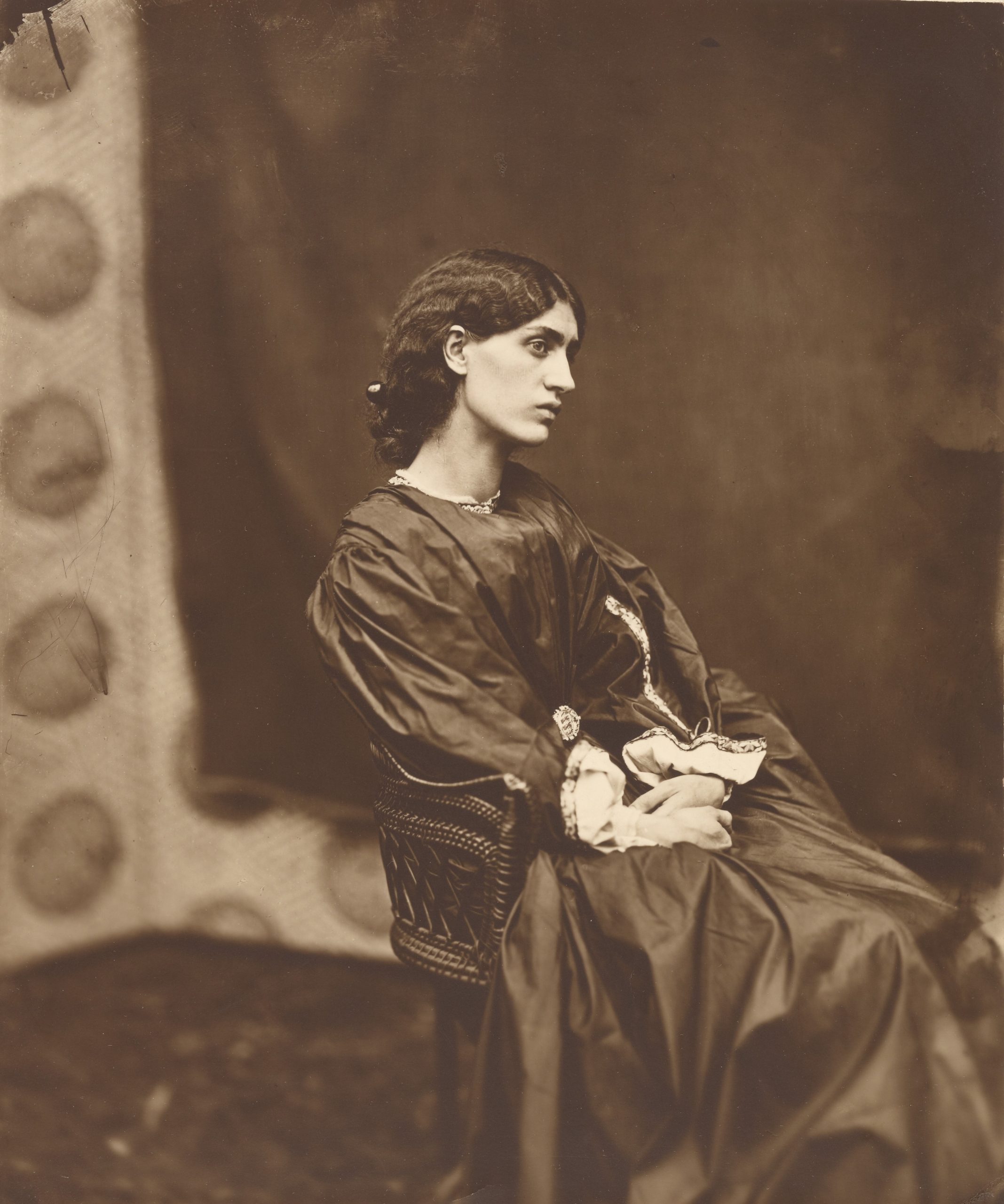
Portrait of Jane Morris (Mrs. William Morris) by John Robert Parsons
More:
Original public domain image from Getty MuseumPortrait of Jane Morris (Mrs. William Morris) by John Robert Parsons
More:
Original public domain image from Getty Museum
Portrait of Jane Morris (Mrs. William Morris) by John Robert Parsons
Portrait of Jane Morris (Mrs. William Morris) by John Robert Parsons
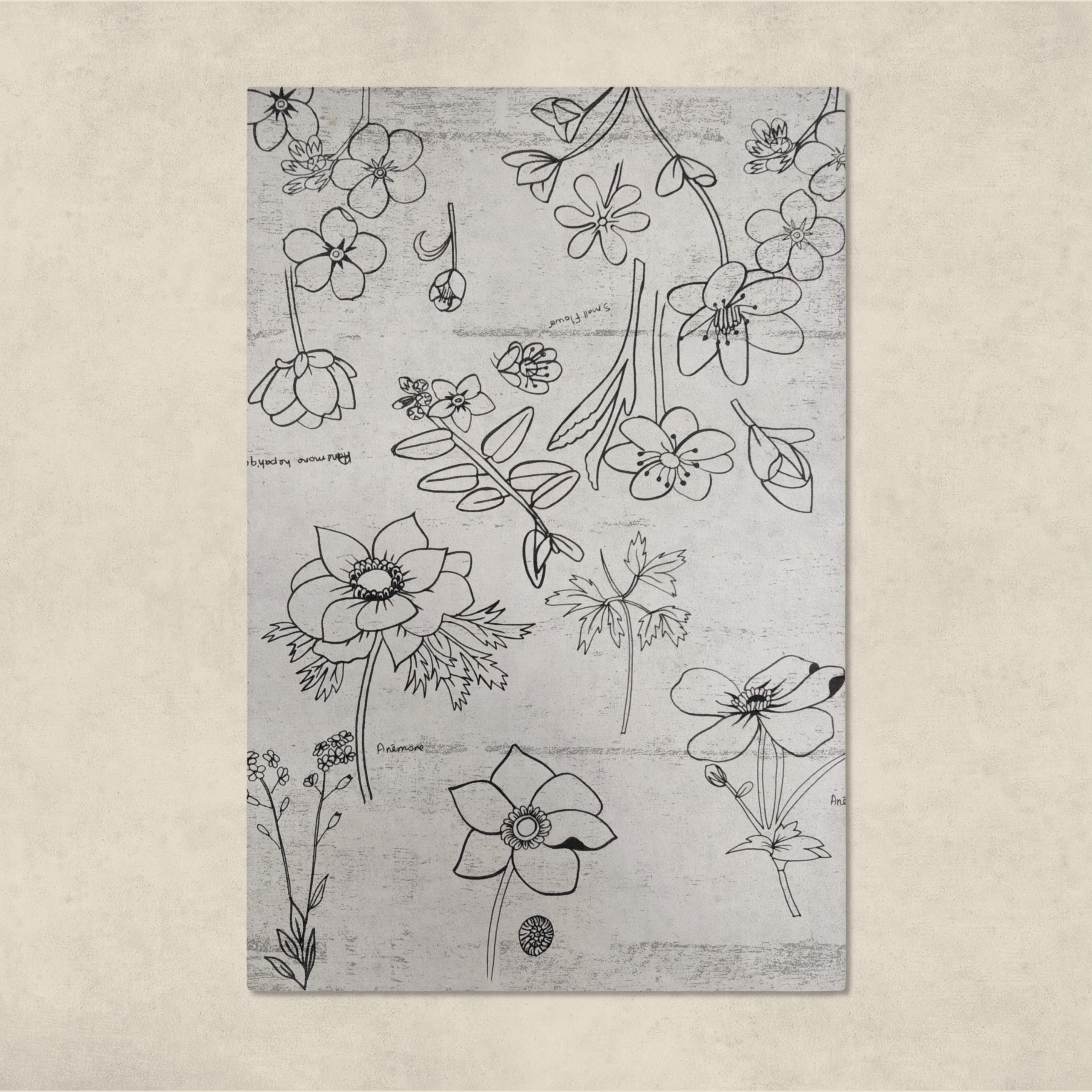
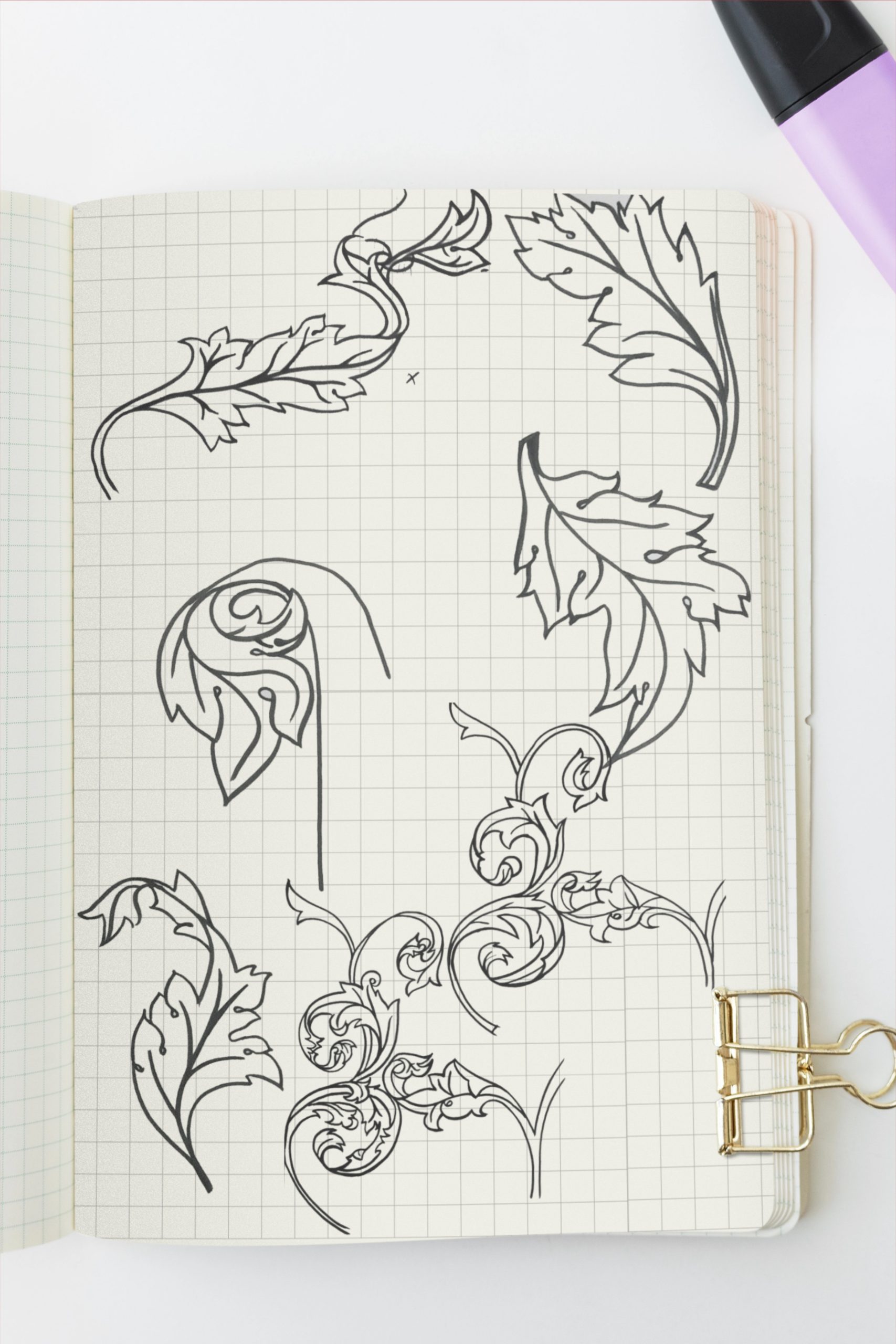
Avant de commencer à construire un pattern j’apprécie d’explorer un theme floral, de me questionner en croquis sur la manière dont les feuilles varient d’une espèce à l’autre, comment représenter et/ou transformer ces variations . Comment les feuilles se présentent d’une espèce à l’autre: la forme des leurs fleurs, de leur feuilles (dentée, crénelée, lobée, incisée..etc), leurs perspectives imaginées… Ça me permet de trouver mes propres lignes, de me les approprier par répétition. A ce stade je ne me projette pas sur les futurs agencements du motif . Lorsque le moment de construire la répétition du motif arrive le design des fleurs est deja pensé. il reste à le positionner sans penser aux formes des fleurs
Parfois je me dis que je gagnerai du temps à trouver intuitivement les formes du motif à répéter en le réalisant, d un seul geste mais le processus par étape est satisfaisant. Il permet travailler les lignes plus en conscience et inclue un travail d’observation pour éventuellement s’en éloigner.
My pattern design very humbly take their inspiration from the atmosphere of the infinite beauty of William Morris & co. , or let’s say W.Moriss universe is my favorite graphic meditation and esthetic emotion
Within his bold two dimensional pattern Morris crafted a visceral response to the curves and waves of nature
I love the the way he reject simple replication of the past but capture its spirit, and seek the sense of depth and light:
How ever original a man may be he can not afford to disregard the work of art that have been produced in time past when design was flourishing, he is bound to study old exemples but he is also bound to supplement that by a careful study of nature because if he does not he will certainly fall into a sort of cut and dried conventional method of designing
William Morris artist craftman pioneer by R.Ormisyon & N.M Wells
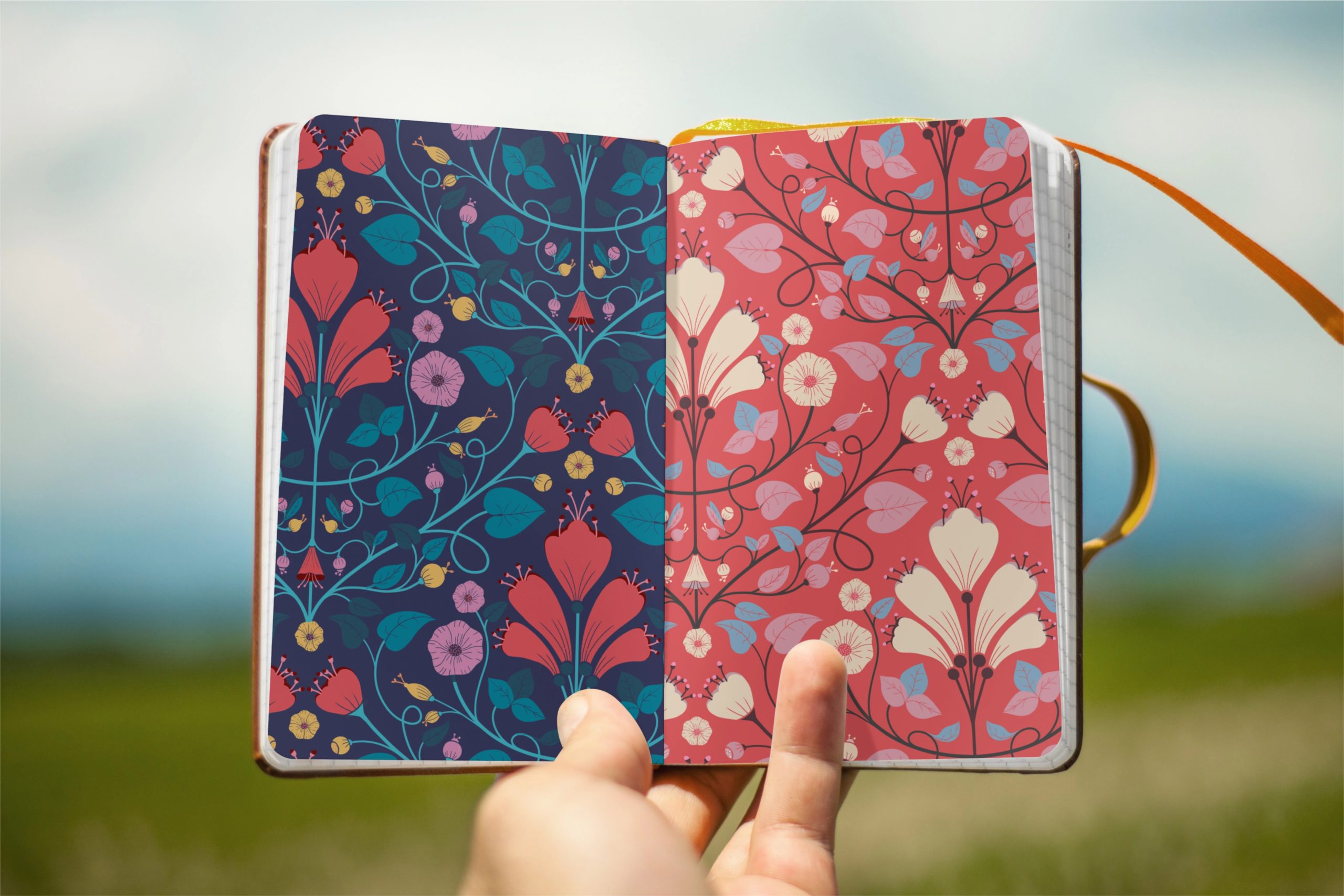
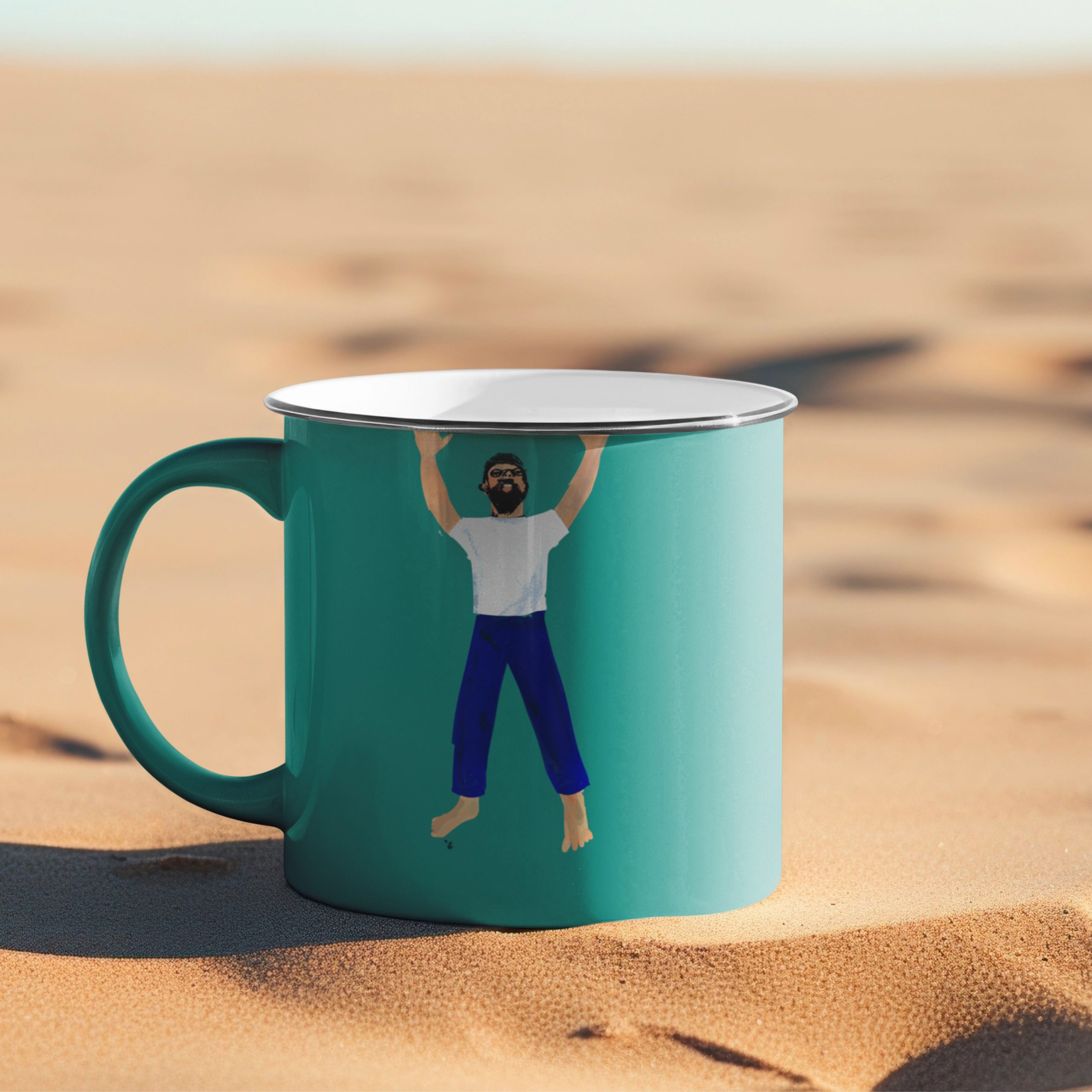
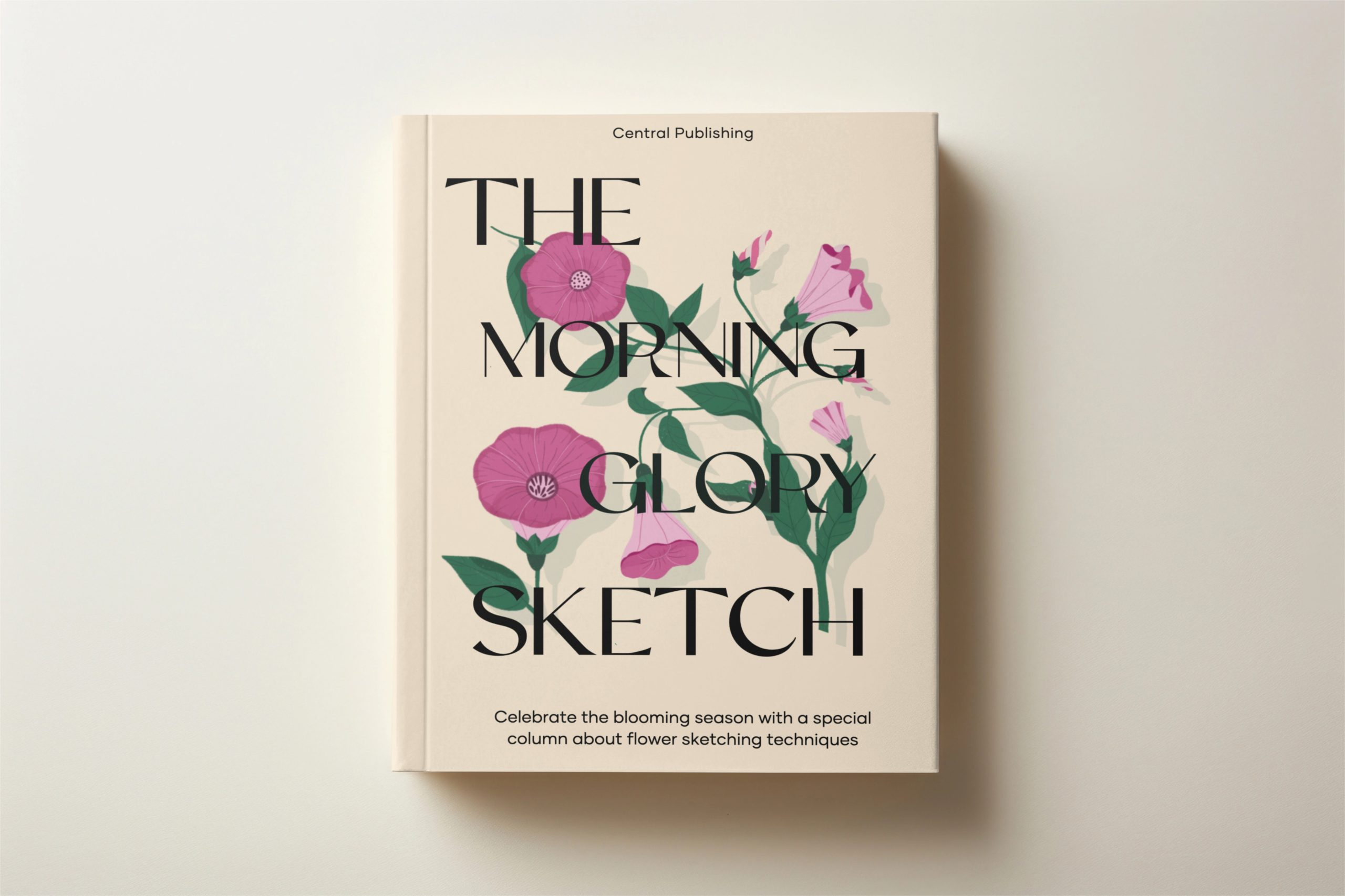
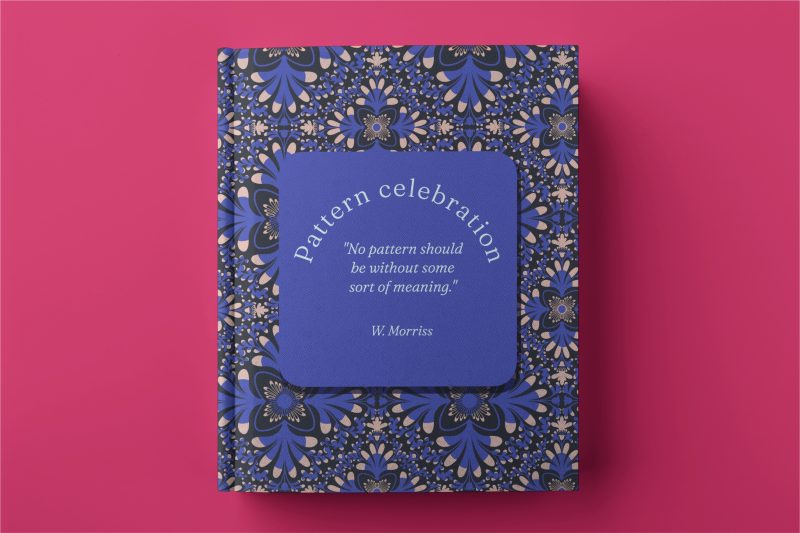
Mock up hommage à William! ( I realise I dysothographied his name on the mock up)
 isa
isa