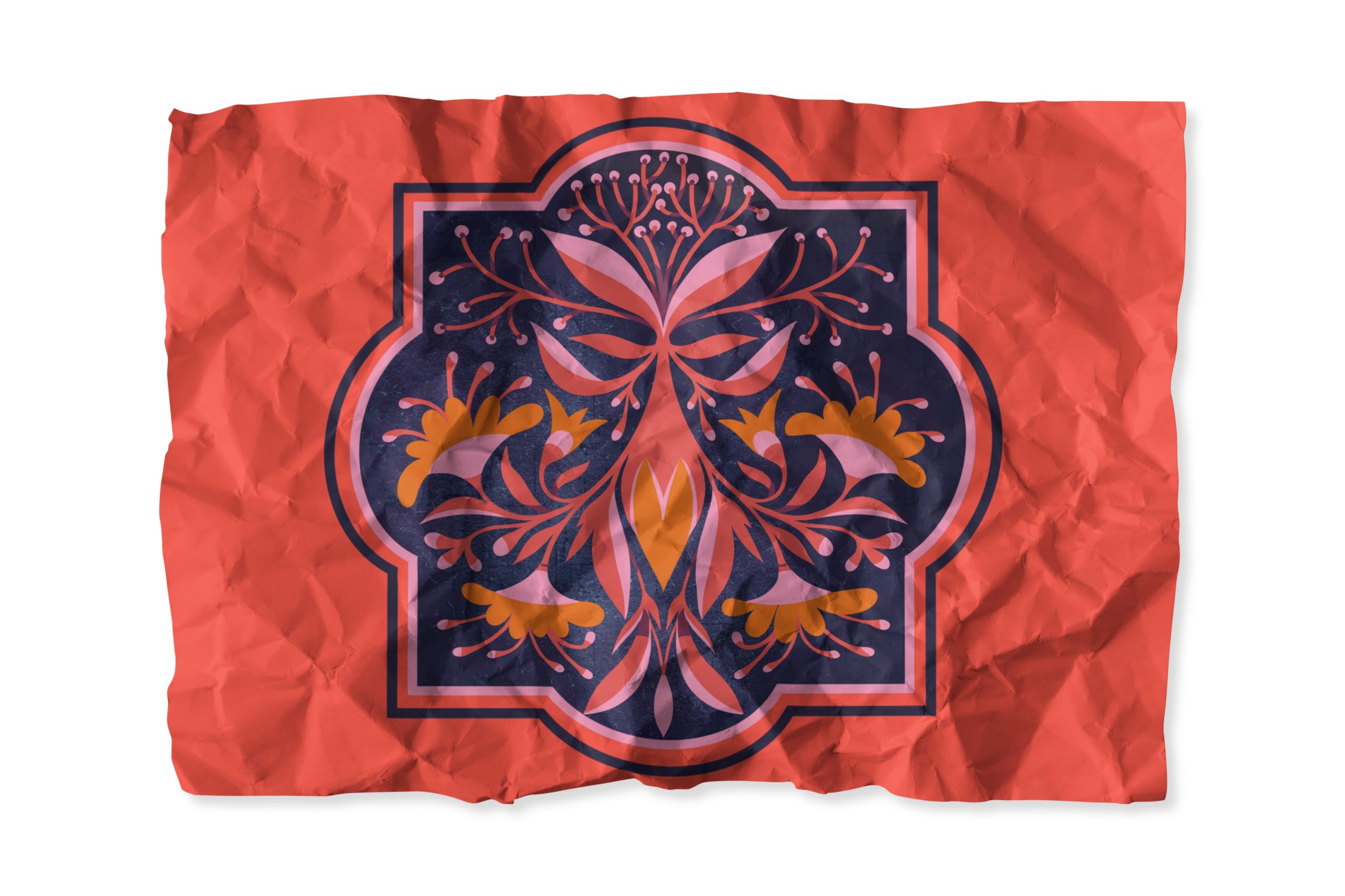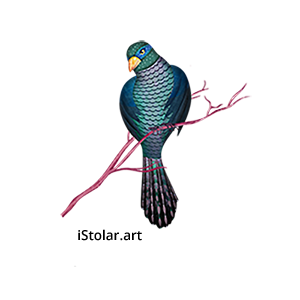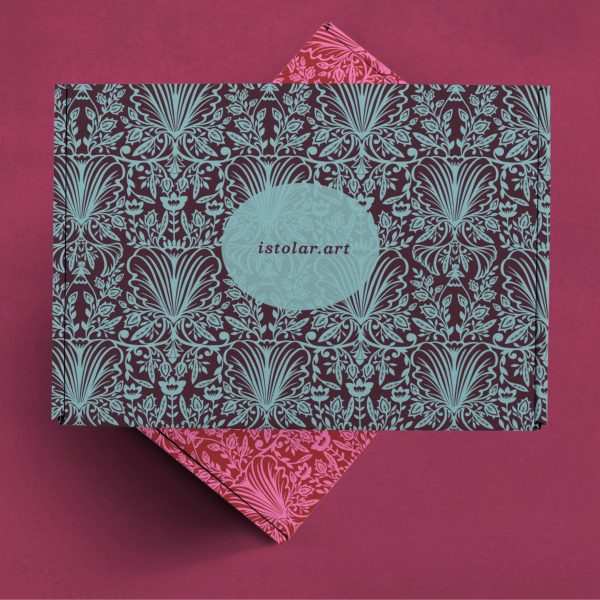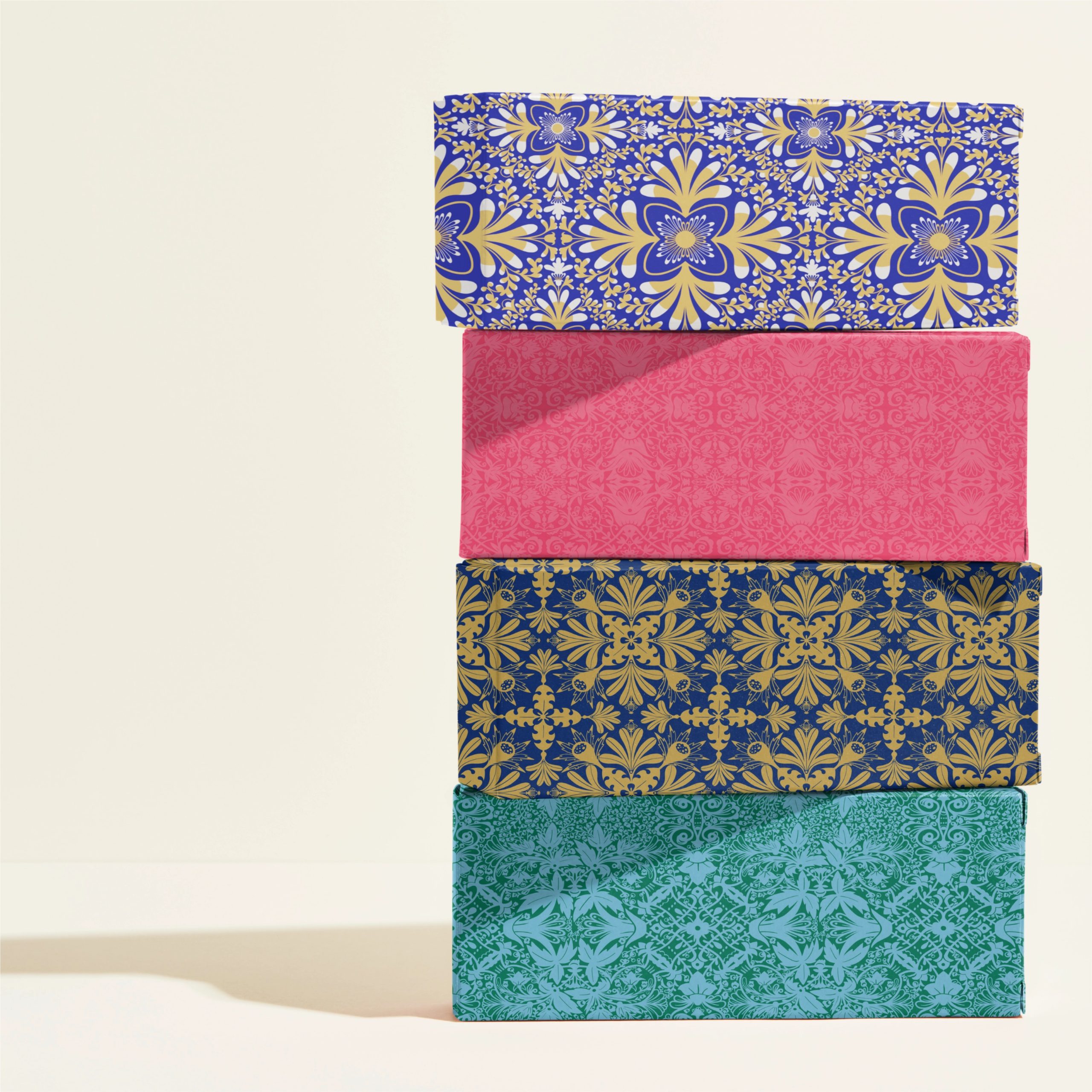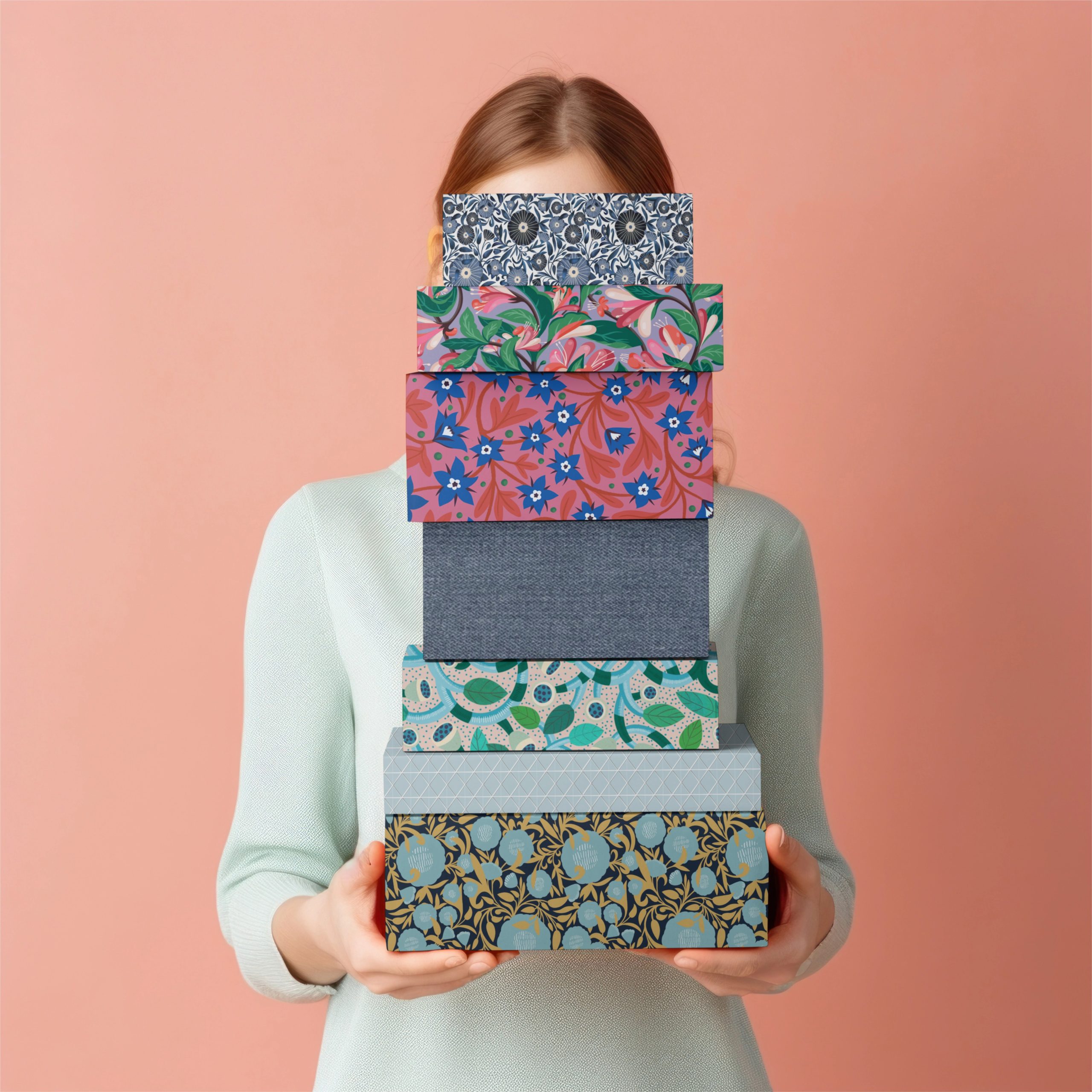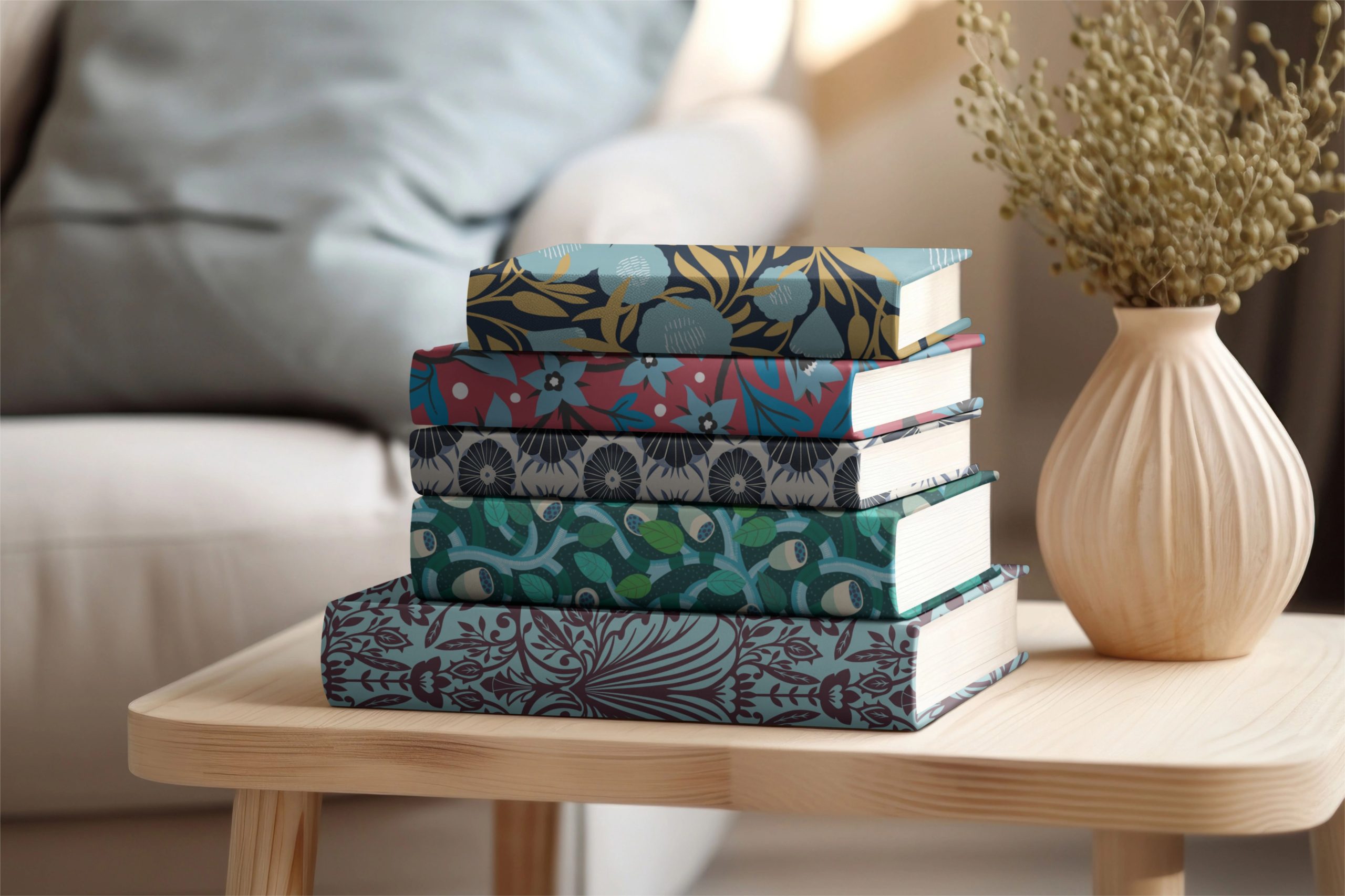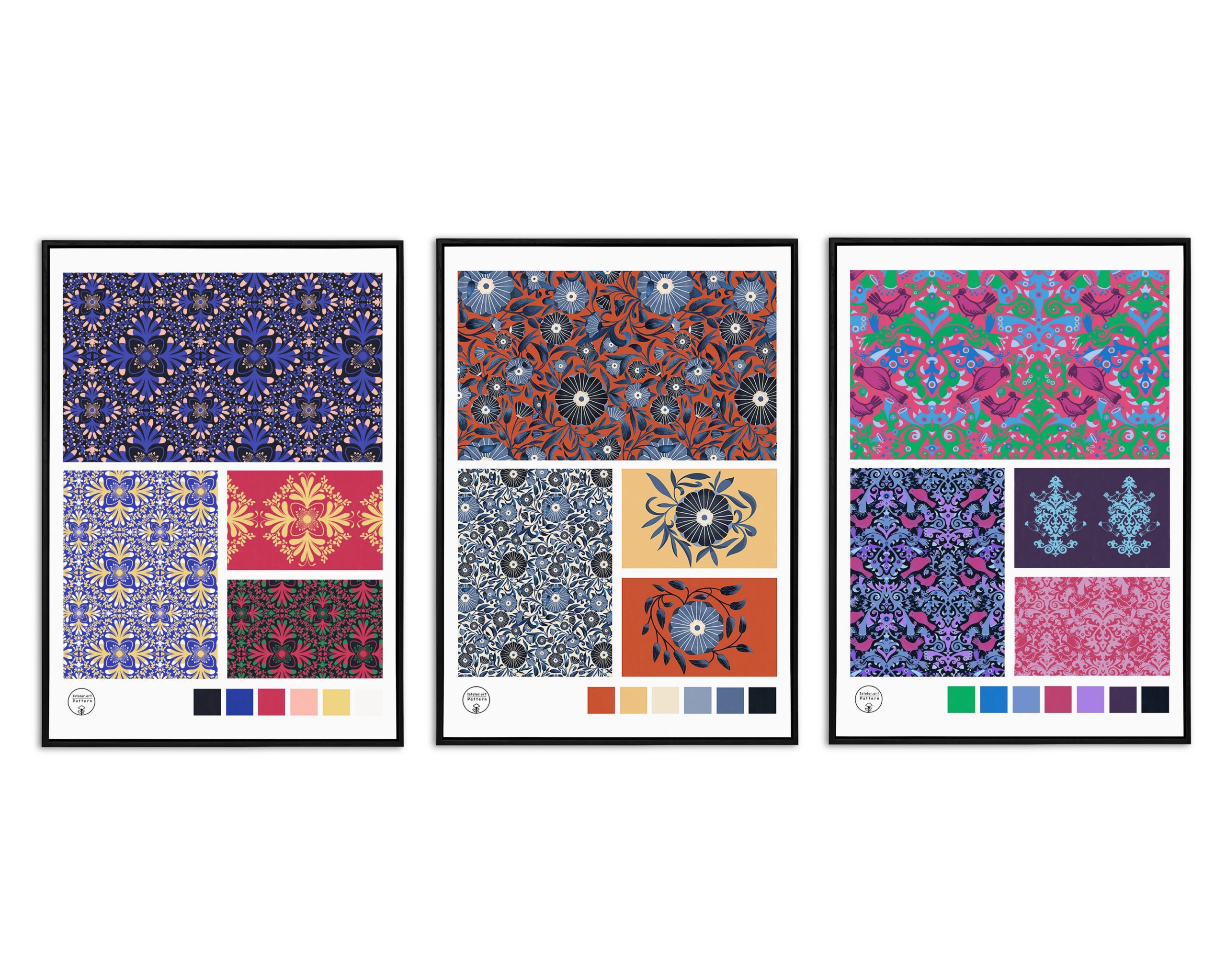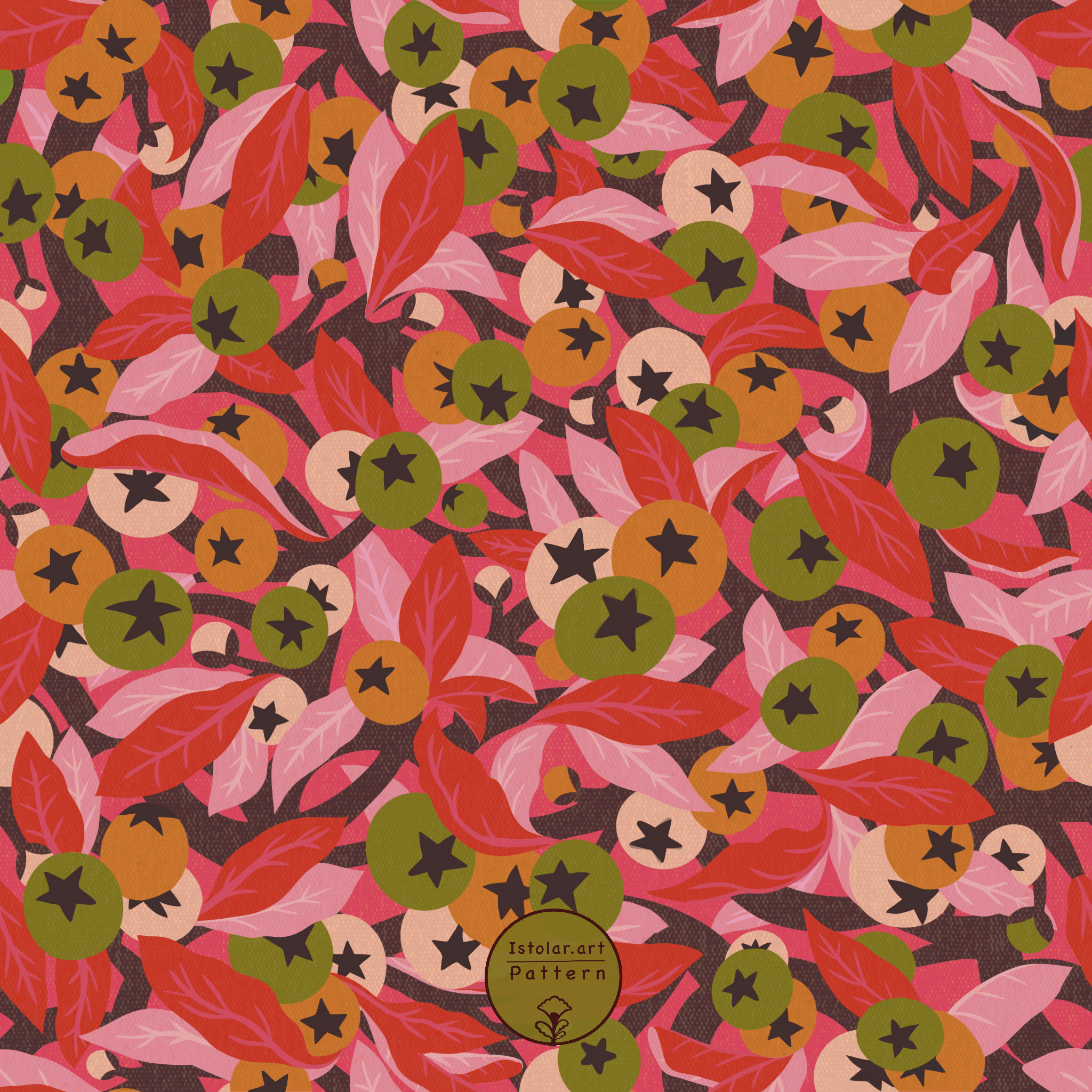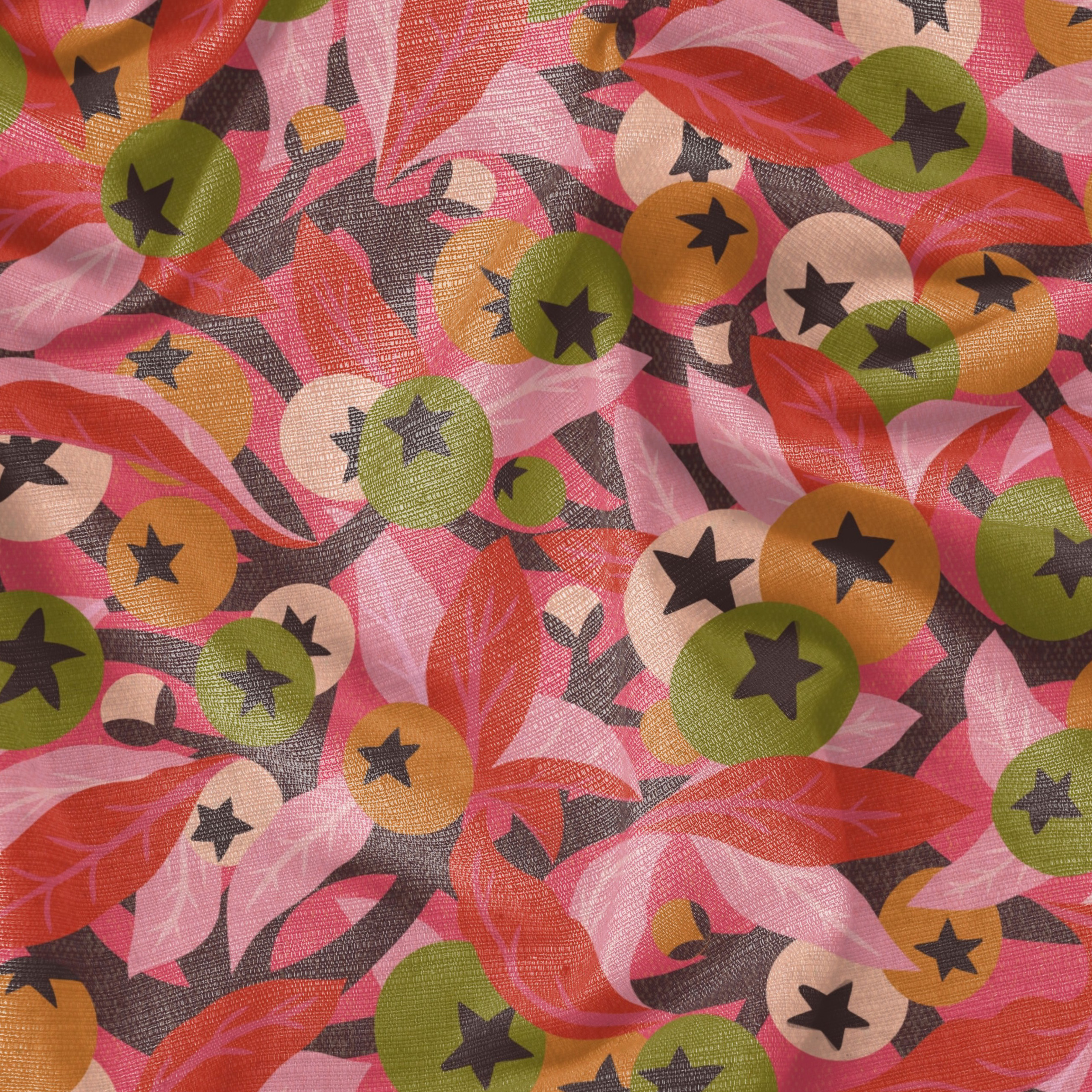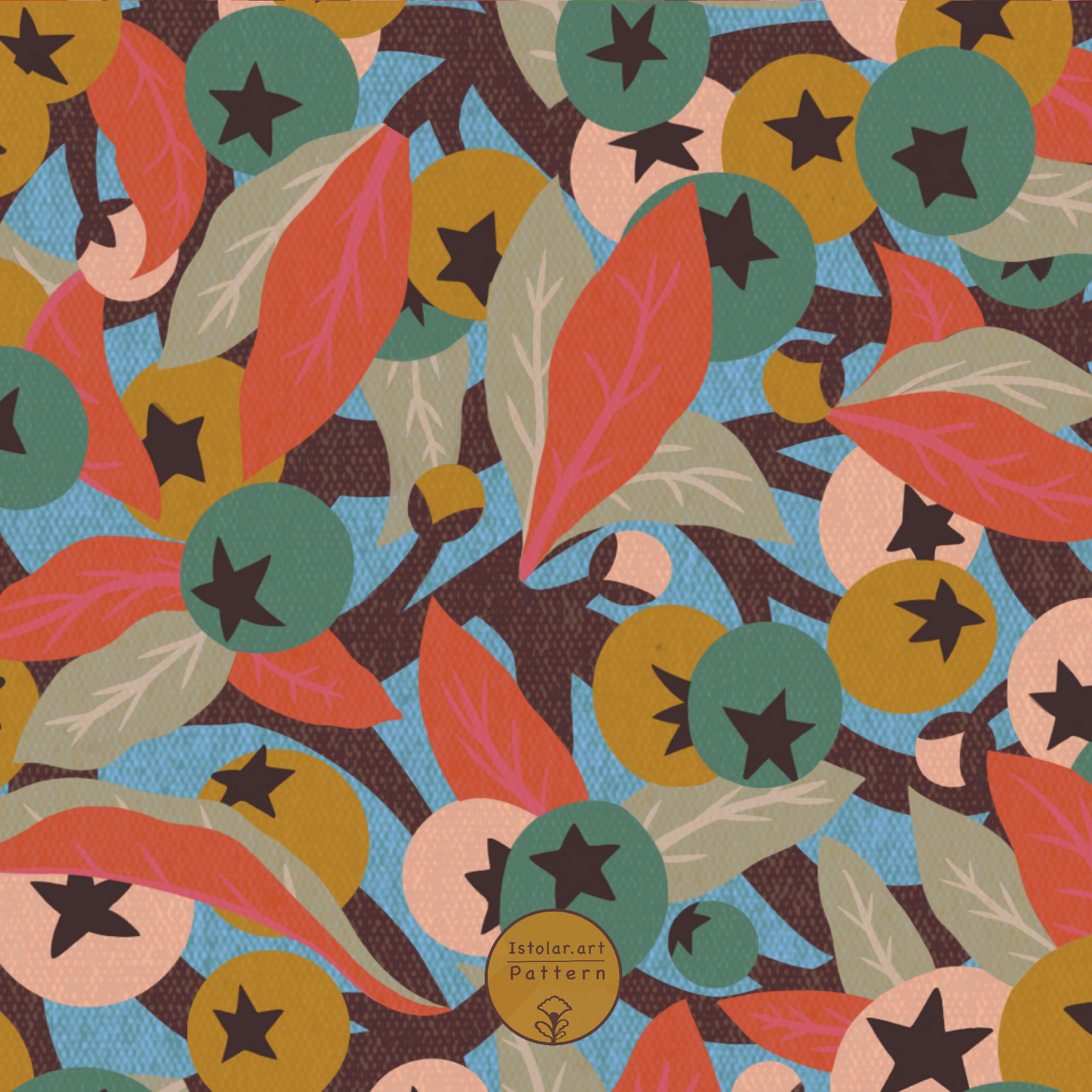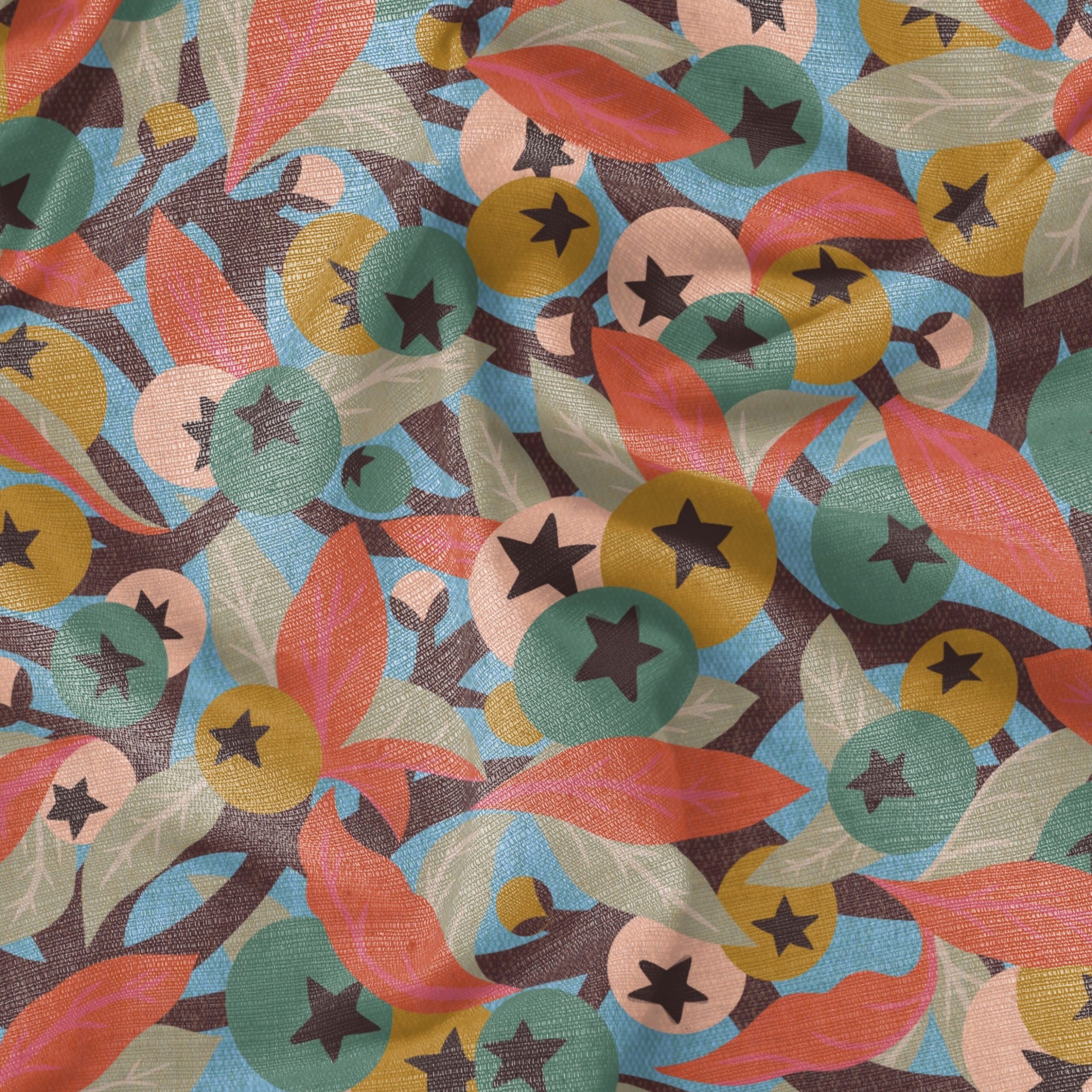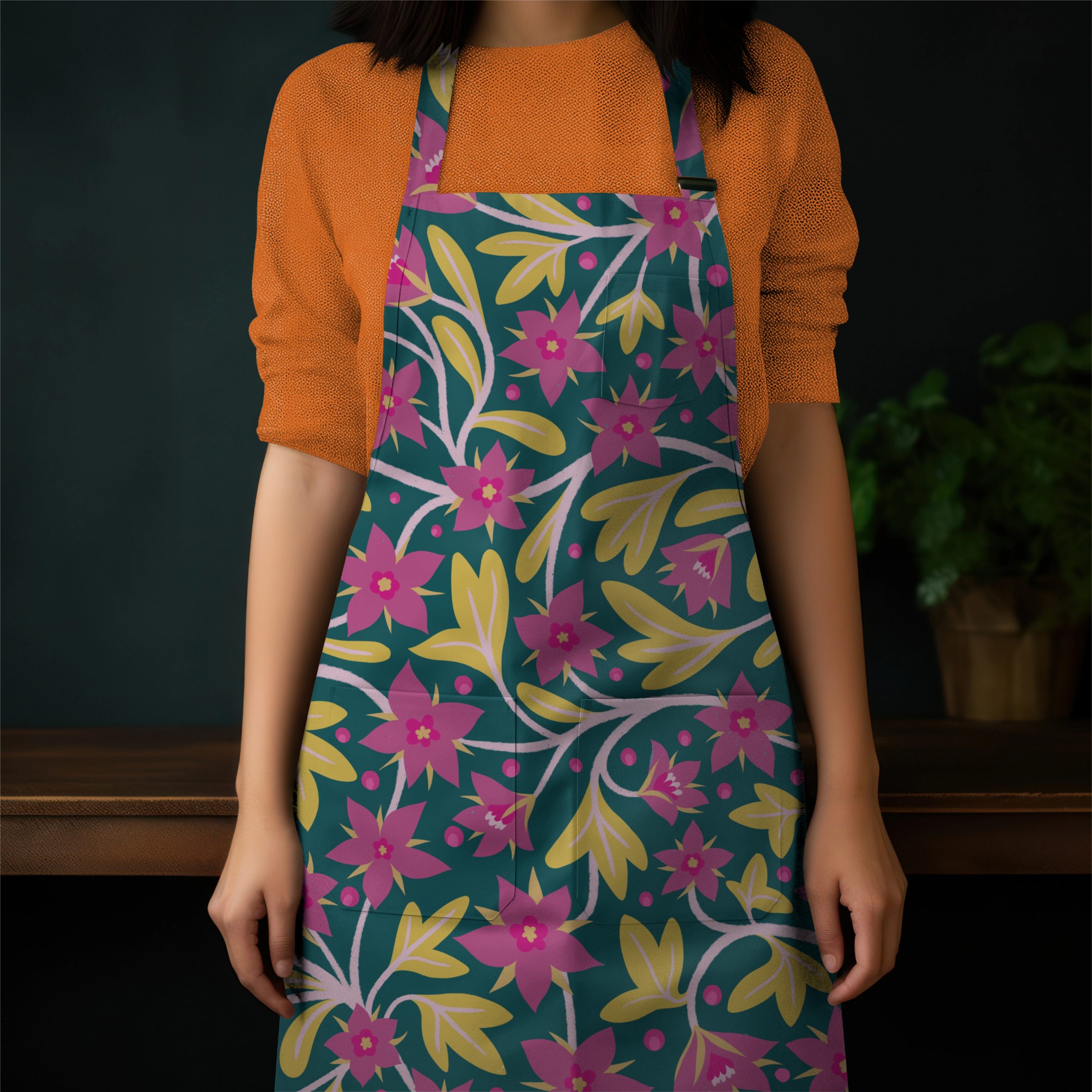
While looking for birds elements to insert into a pattern I felt like making a version of this birds shape with a kind of stamp texture. It can be of great decorative power: simple shape with randomly applied texture ( like ink on gummy transfert on grainy paper)
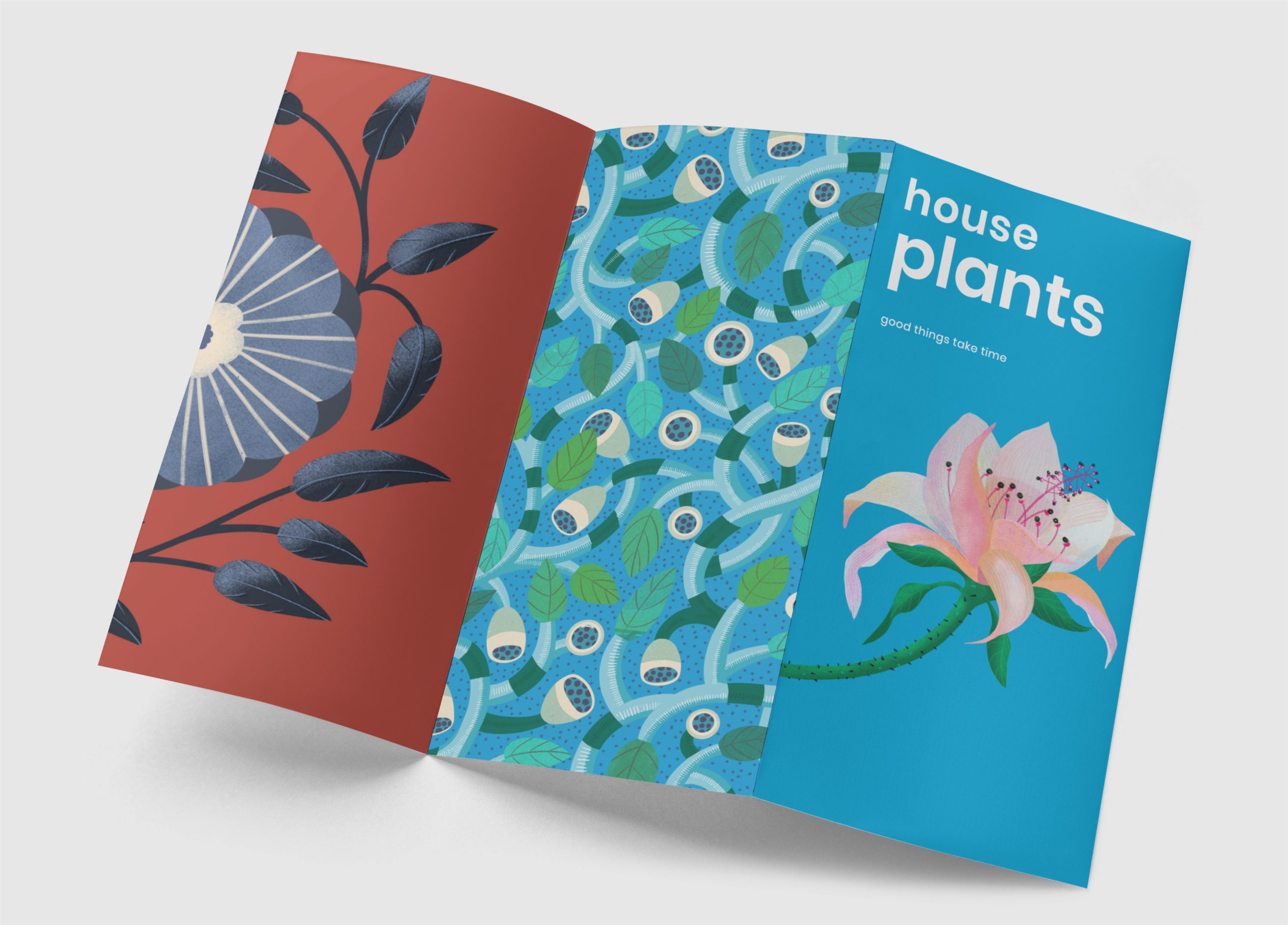
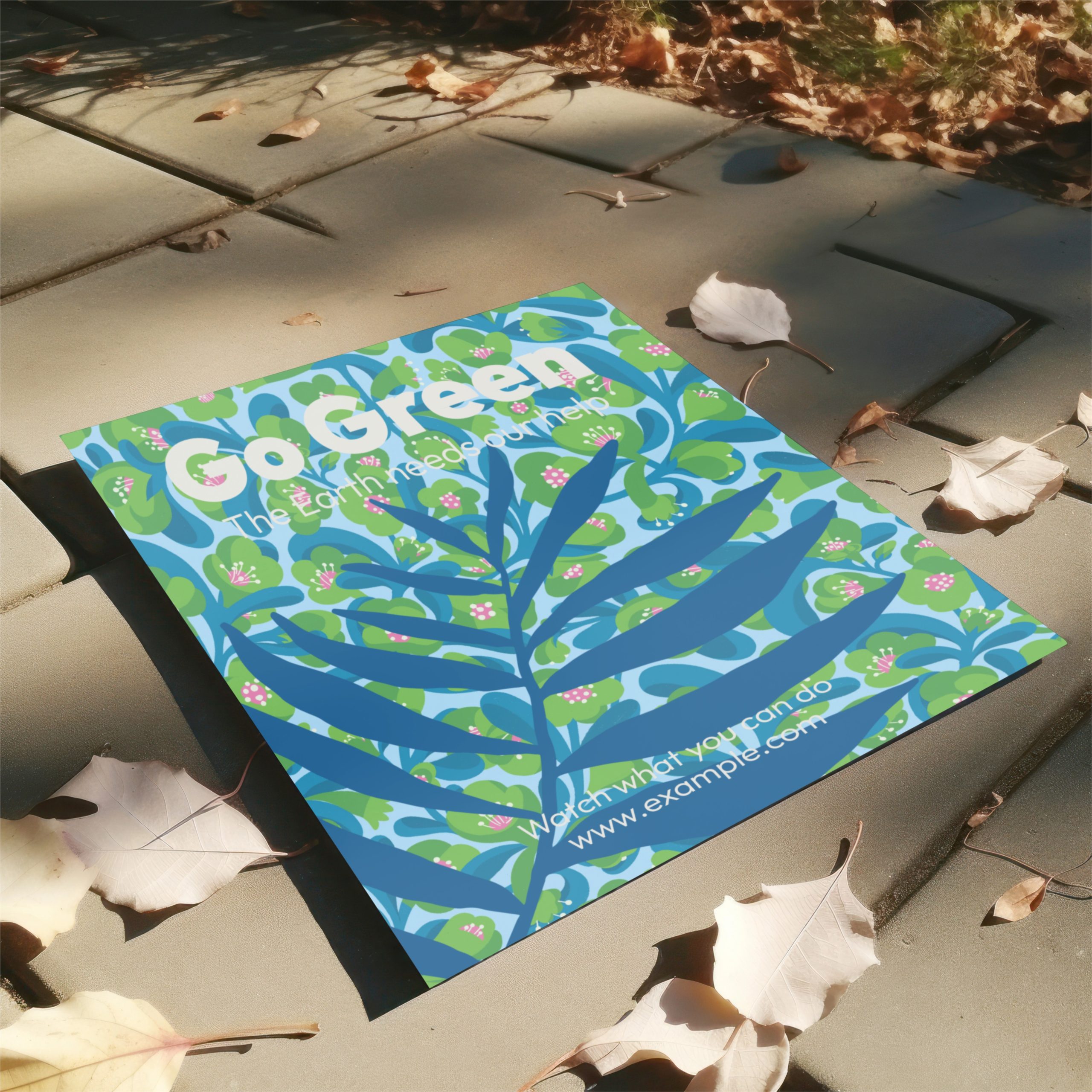
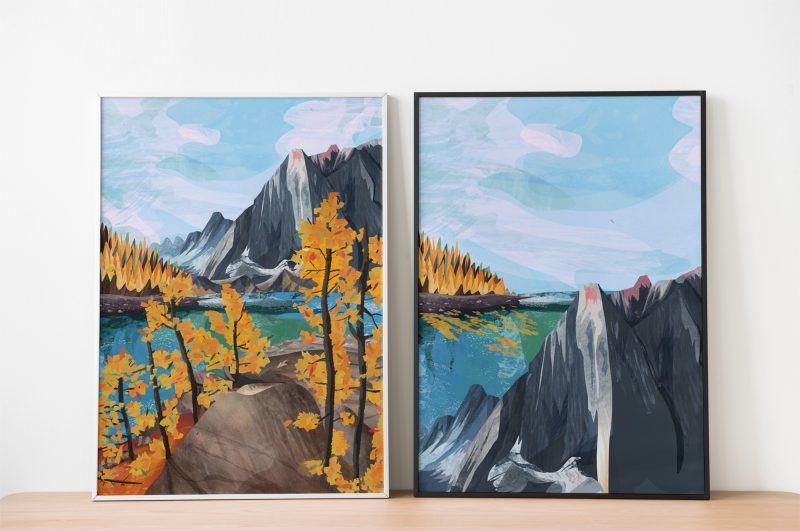
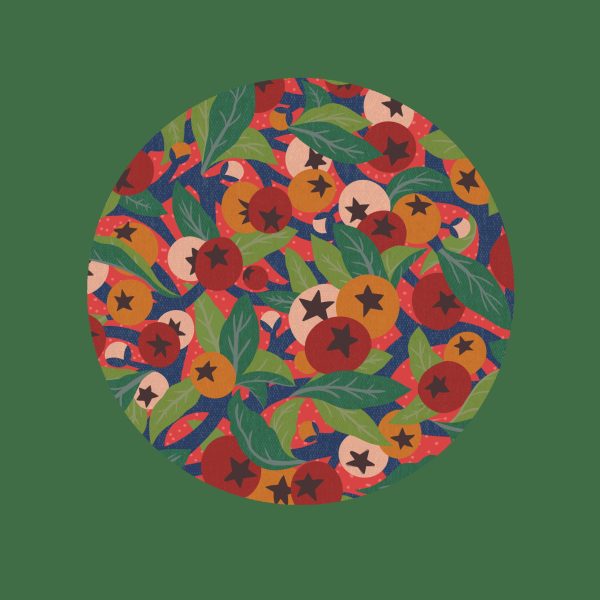
it’s a mock up – The birds were made with procreate as elements of a future floral pattern
Cette année, alors que je cherchais des cours de Qi Gong ou de Yoga, dans les faits, je me suis mise (en hobby light) au modelage avec un beau petit groupe de passionnées et j’en suis très contente. Ça fait un bien fou de voir et penser volumes et … rencontrer de la terre plus ou moins chamottée.
… et peut etre que ça me donne envie de re-considerer le corps dans ses representations, dessiner en simplifiant les traits … ceci entre 2 motifs fleuris. ici, j’ai mélangé les deux..
The acanthus (my sketches in Blog) is a large-leafed plant common in the Mediterranean region
Last summer I registered to Skillshare. I followed the course of Barbel Dressler . My emerging passion for acanthus started with her course “drawing acanthus”. All of her courses are just great and impressive by the amount of information she provides. It isn’t only about practical exercices, she also explores a large range of abstract knowledge and go back and forth between knowhow and knowledge. Just Brilliant!
I wanted to write this post in french (since I have loads of documentation but my starting point was Barbel Dressler informations so here it is, in english. Please excuse my grammar and spelling mistakes sprinkled around.
I haven’t yet made a pattern with acanthus motif. it will be done soon.
Barbel Dressler copy right 2020
The name derives from greek acantha = thorn
Most commonly depicted plant since ancient Greece and Rome. It plays significant role in art and design (architecture & home design). The Specific intangible beauty of its shapes, lines and details inspired classic motifs.
The legend
Acantha (Ancient Greek: Ἀκάνθα, romanized: Akántha, lit. ‘thorn’) is often claimed to be a minor character in Greek mythology whose metamorphosis was the origin of the Acanthus plant. Acantha’s myth however does not appear in any classical source.
The tale supposedly goes that Acantha was a nymph loved by the god Apollo. Acantha, however, rebuffed Apollo’s continued advances and scratched his face. As a result, Apollo transformed her into the Acanthus, a plant with spiny leaves.
In Greek legend the Athenian architect and sculptor Callimachus one day happened to pass a tomb, near which he saw an acanthus plant enfolding both a tile and a basket. He was inspired by the sight to design a capital for a column, since known as the Corinthian order.
According to an earlier Greek legend, a young girl died, and her devoted nurse collected her trinkets and ornaments and placed them in a basket near her tomb and covered them with a tile. The nurse set the basket down on an acanthus root, whose stalks and leaves grew up enfolding the basket. It was this tomb that Callimachus saw.
The shapes
Big broad plant with side nerves coming from the center. There is difference between real plant and designed version all over the world. The original shape is exaggerated and enhanced for a stylised version all over the world
The ancien greek first started to use the acanthus leaves as a motif to adorn columns , the roman version: an other style emerged based on Acanthus Mollis : broader, more curvy
The column where classified into 5 order: toscan – doric – ionic – corinthian- composite
Acanthus spinosus versus Acanthus Mollis
Acanthus mollis is very similar to Acanthus spinosus. The main difference being the leaves and flowers:
Serrated Leaves: Acanthus spinosus is characterized by its serrated leaves. Acanthus spinosus leaves have sharp, tooth-like edges that give the plant a distinct and jagged appearance. In contrast, Acanthus mollis has broader and softer leaves, lacking the serration found in Acanthus spinosus.
Flower Spike Production: Acanthus spinosus has the upper hand when it comes to flower spike production. This plant produces more flower spikes compared to Acanthus mollis, giving it a showier and more vibrant display of blooms.
The greek version: leaf are based on Acanthus Spinosus – more pointed narrower lobes ( building temples)
The Byzantin acanthus got chukier, more simplified and stylised. ( used as leaves. not so much scrolls)
The medieval motif is simplified. specially // wood carving ands often used as a motif in books illustration / illumination: longer tendrils, more elaborate scrolls and use of the S line . The S line may have been used before but starting to emerge with illustration on paper
Gothic acanthus leaves and scrolls: more round with bulb form… later it became more bizarre and esteem with extra long extended tendrils that look almost fizzle
With renaissance occurs a significant jump in style – much more elaborate and delicate style with more details shapes and lines
With the baroque time : acanthus leaves became even more extreme especially with the rococo and neoclassical period with no end to the swirling, curling and bending
All of this themes took inspiration from the classical period of the greeks
In second half of the XIX century beginning of XX century, the art and design style were heavily influenced by the pre raphaelites and the art and craft movement. Compared to the romantic period (XVIII), the acanthus became a little bit more robust
with art nouveau there was more imaginary elements, new type of details ans extension of the leave appeared.
and art deco: goes back to a more classical and strict look again
Barbel Dressler copy right 2020
I did not find better and simpler view and explanations on the web than Barbel Dressler’s ressources that I re-organised here with colors for my instinctive visualisation. I recently started to use this blog also as a display of useful images and documents for me and may be for others- See other basic leaf shapes in Blog.
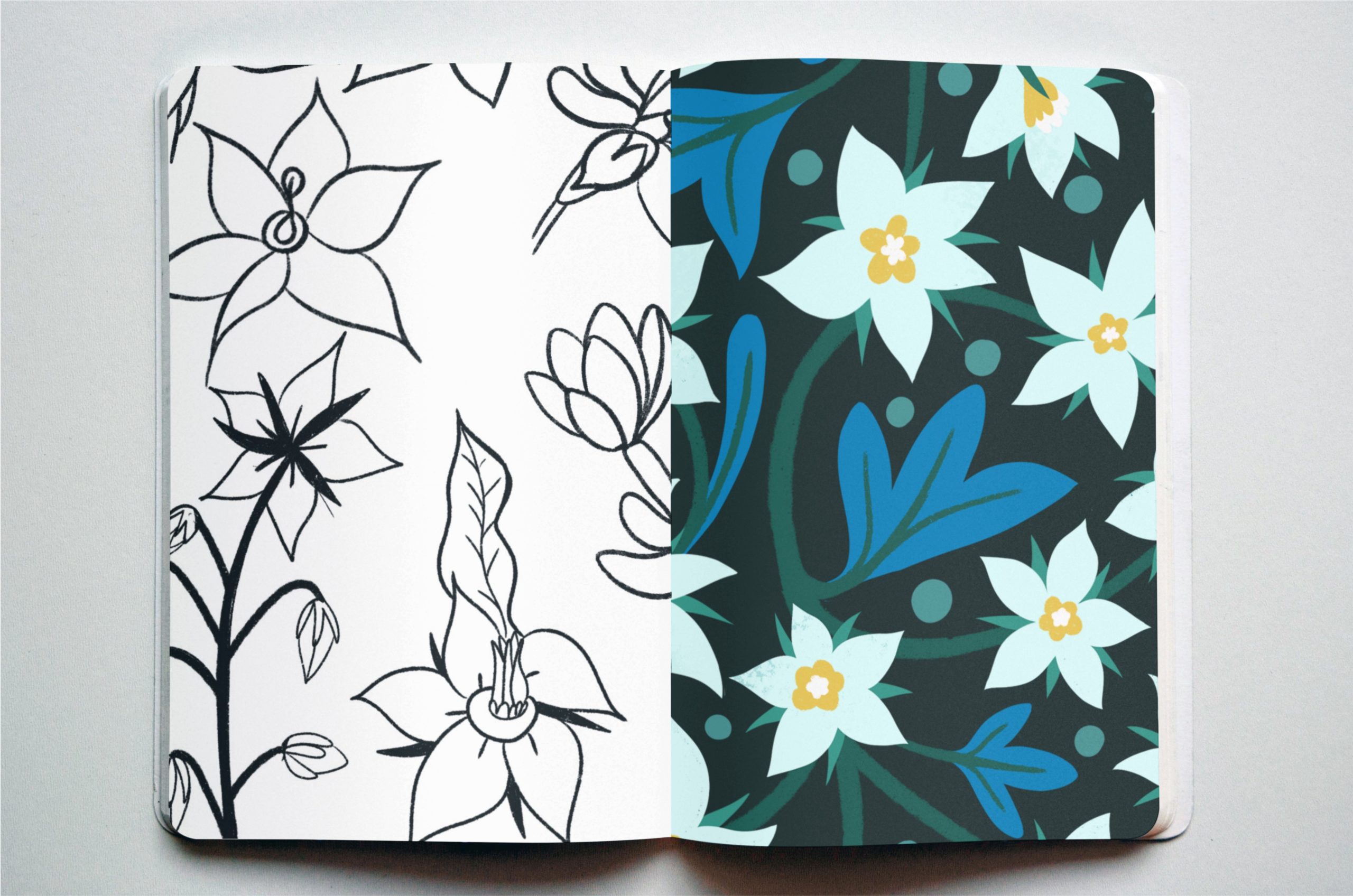
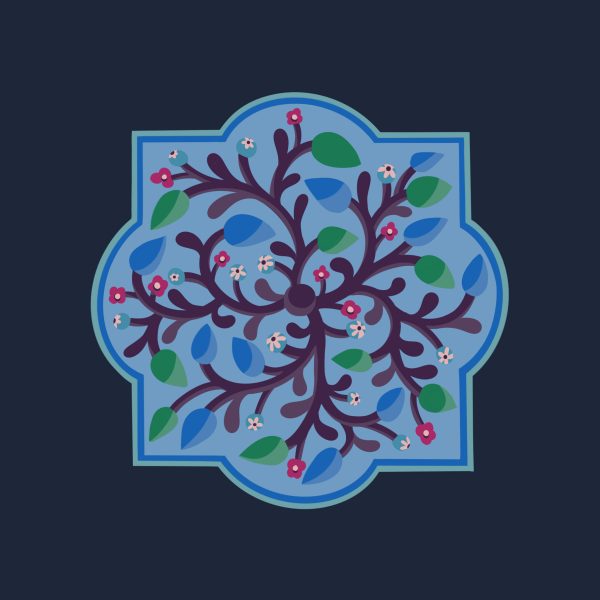
Avant de commencer à construire un pattern j’apprécie d’explorer un theme floral, de me questionner en croquis sur la manière dont les feuilles varient d’une espèce à l’autre, comment représenter et/ou transformer ces variations . Comment les feuilles se présentent d’une espèce à l’autre: la forme des leurs fleurs, de leur feuilles (dentée, crénelée, lobée, incisée..etc), leurs perspectives imaginées… Ça me permet de trouver mes propres lignes, de me les approprier par répétition. A ce stade je ne me projette pas sur les futurs agencements du motif . Lorsque le moment de construire la répétition du motif arrive le design des fleurs est deja pensé. il reste à le positionner sans penser aux formes des fleurs
Parfois je me dis que je gagnerai du temps à trouver intuitivement les formes du motif à répéter en le réalisant, d un seul geste mais le processus par étape est satisfaisant. Il permet travailler les lignes plus en conscience et inclue un travail d’observation pour éventuellement s’en éloigner.