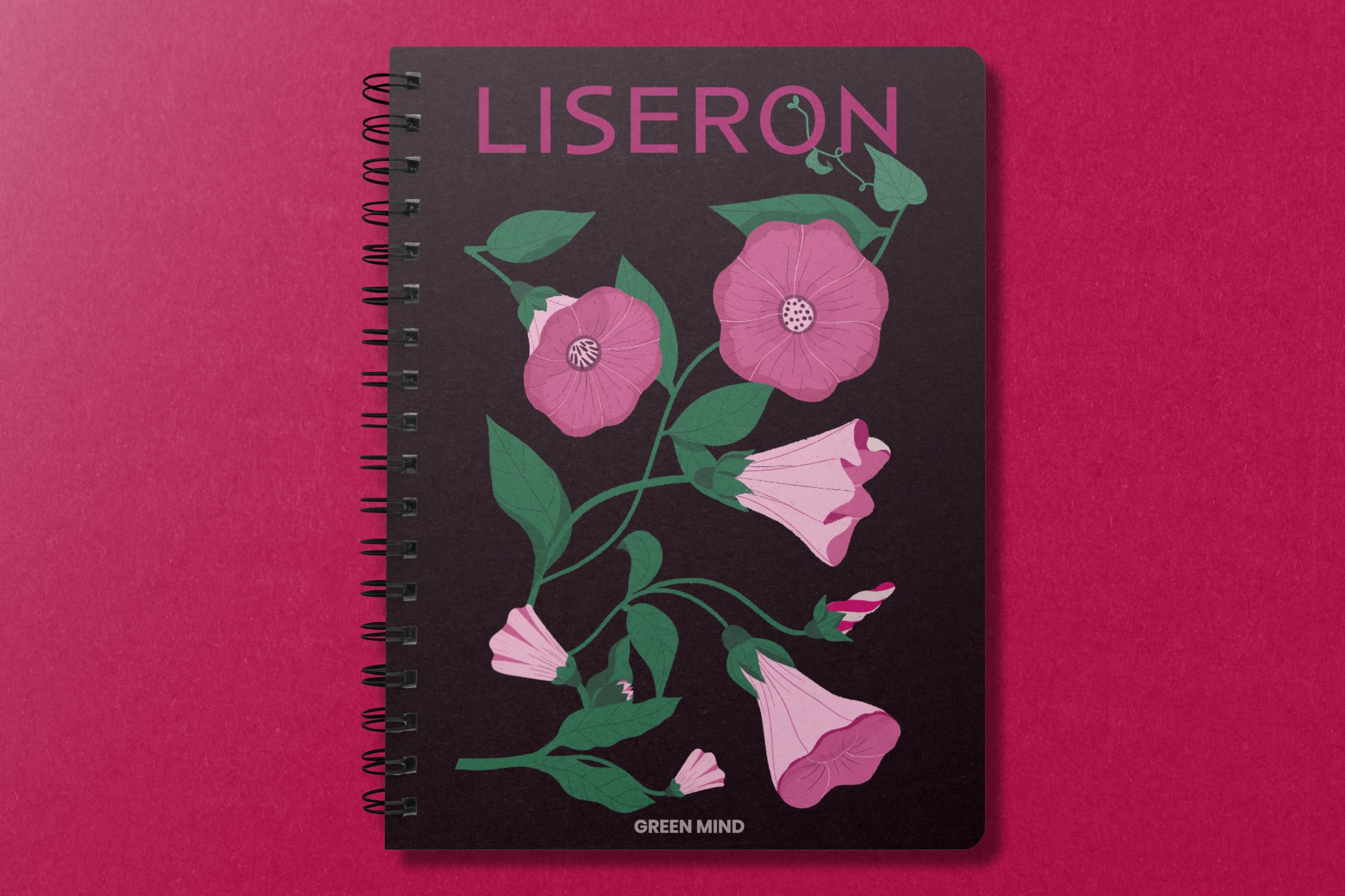
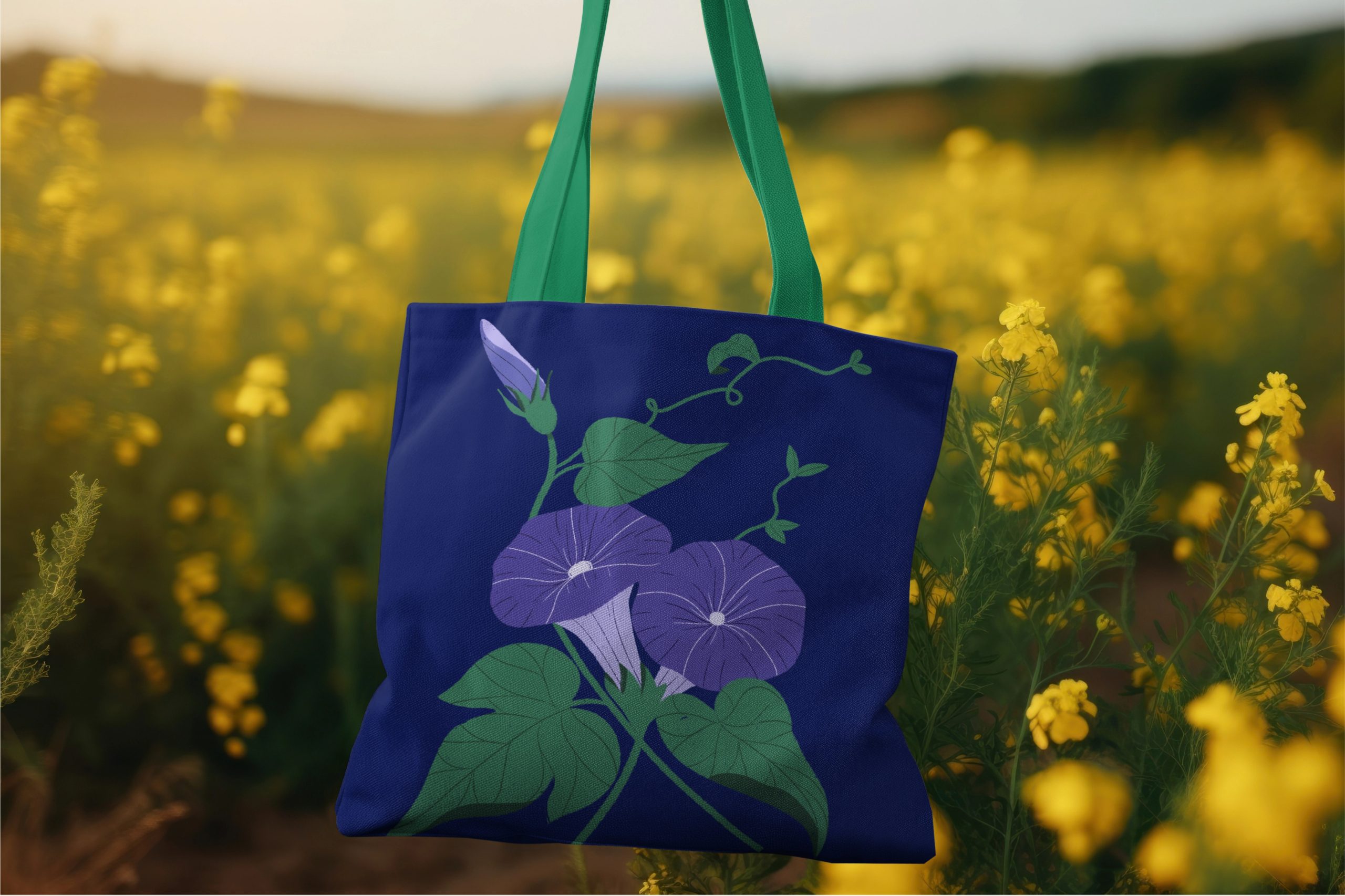
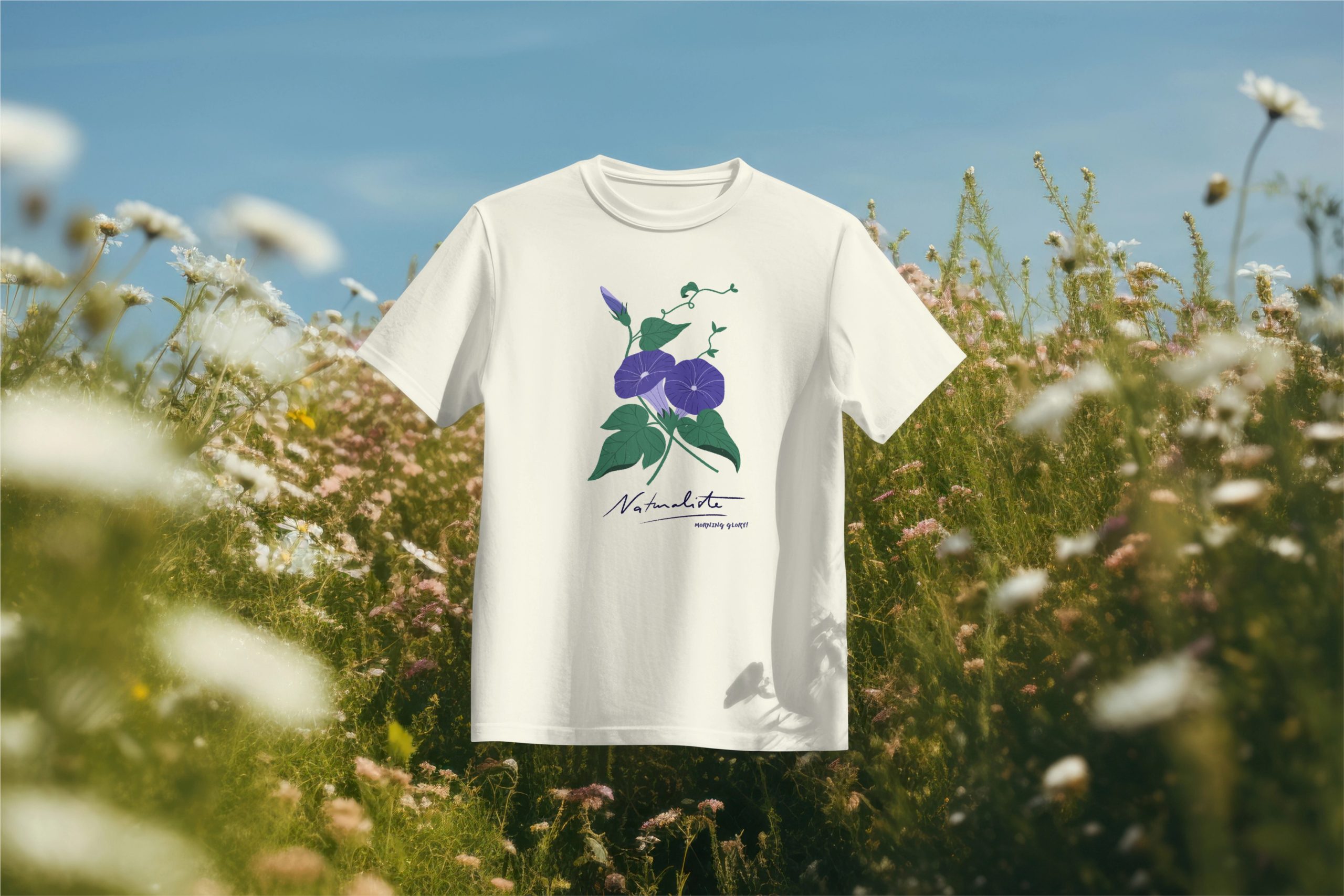
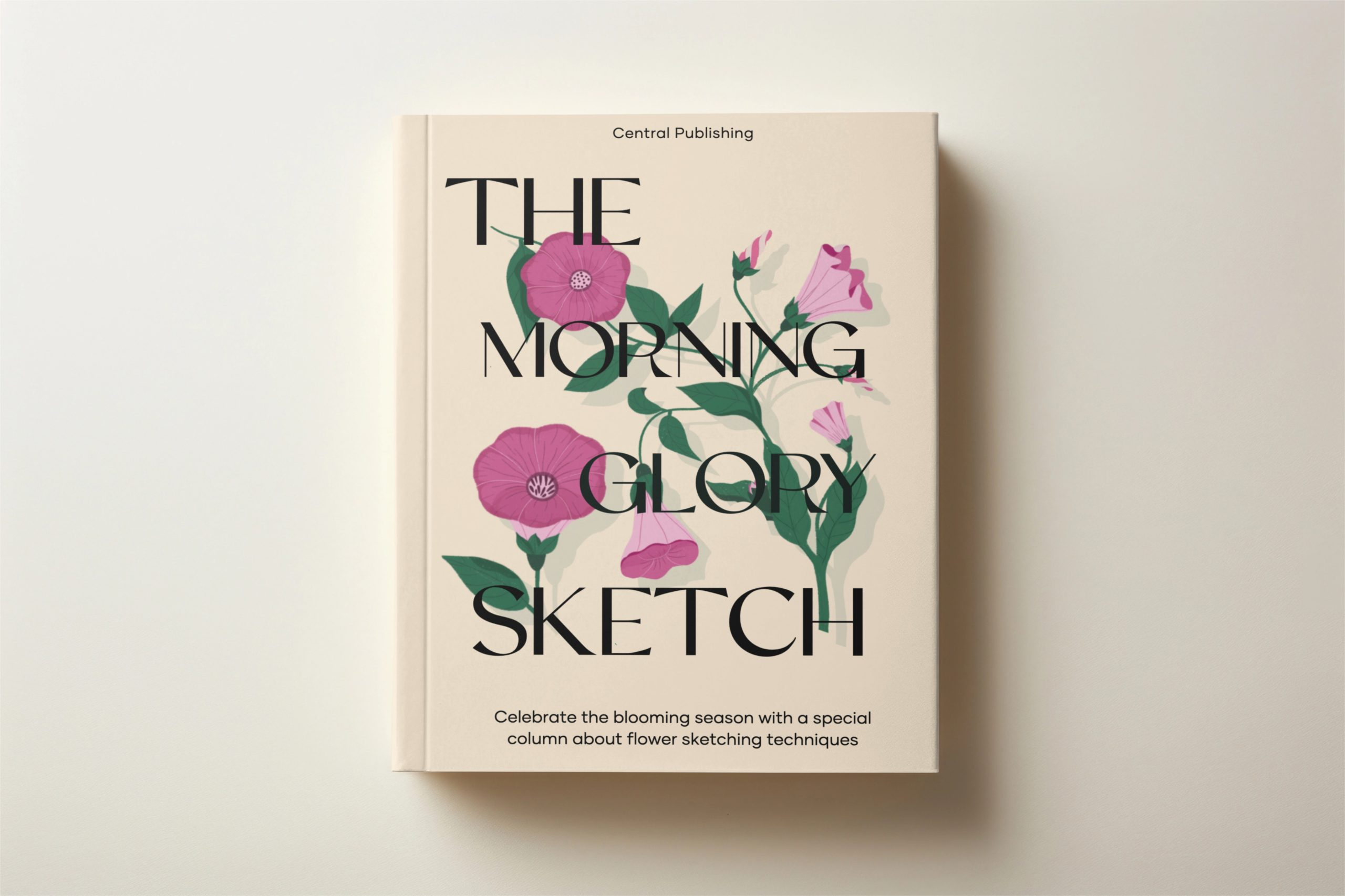
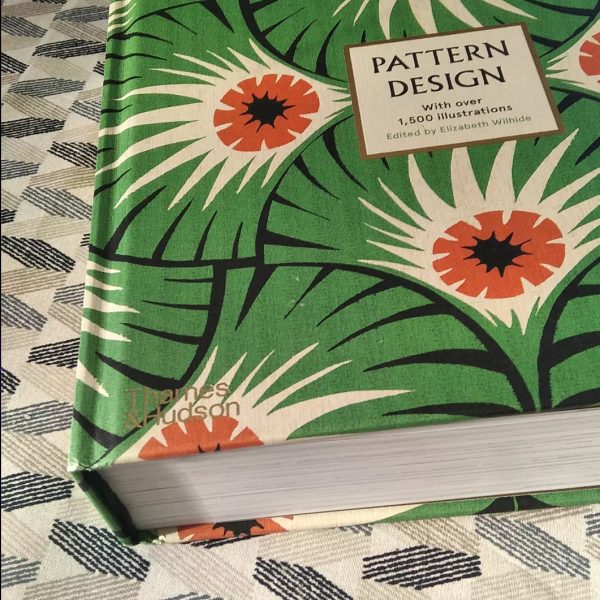
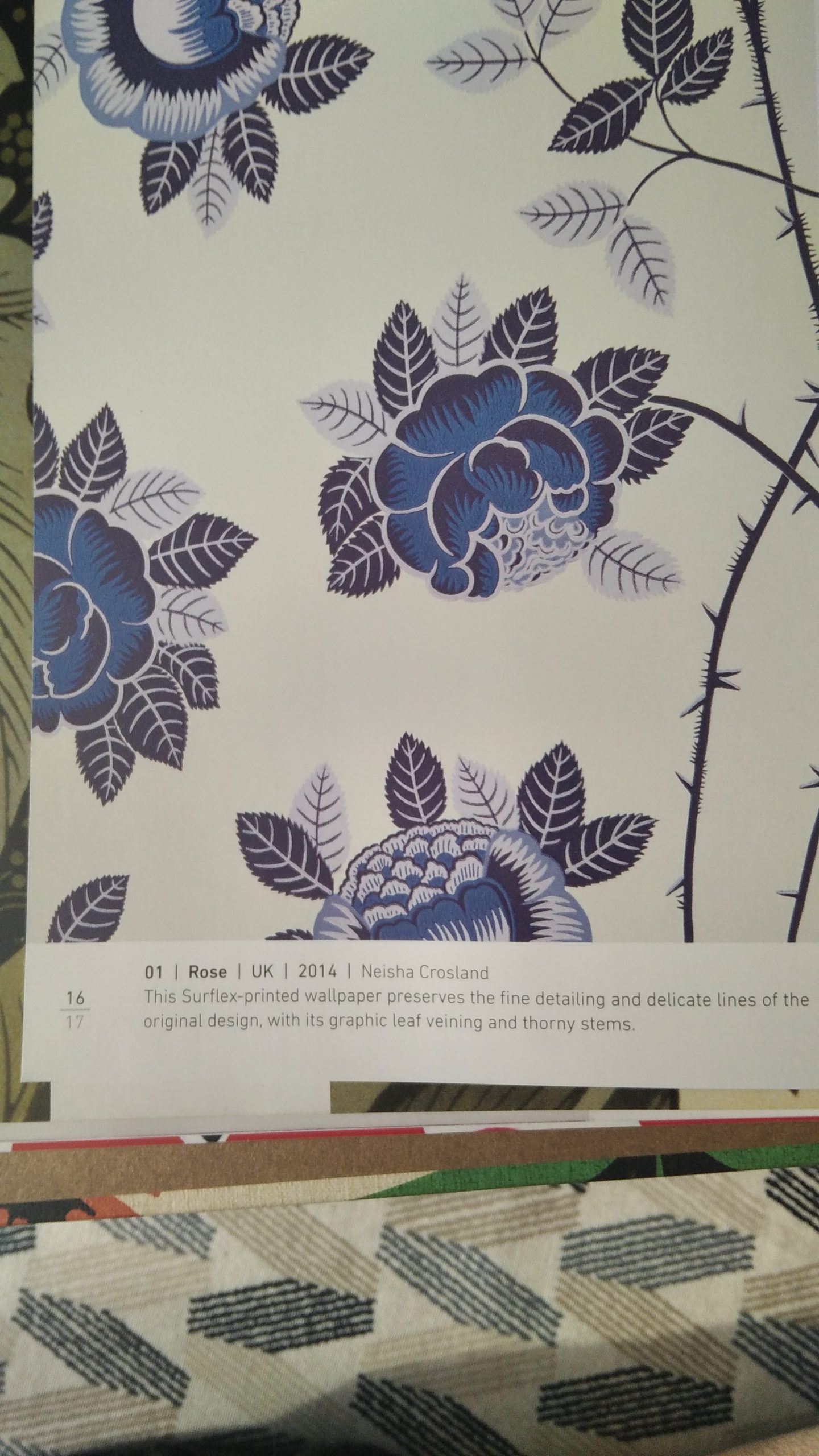
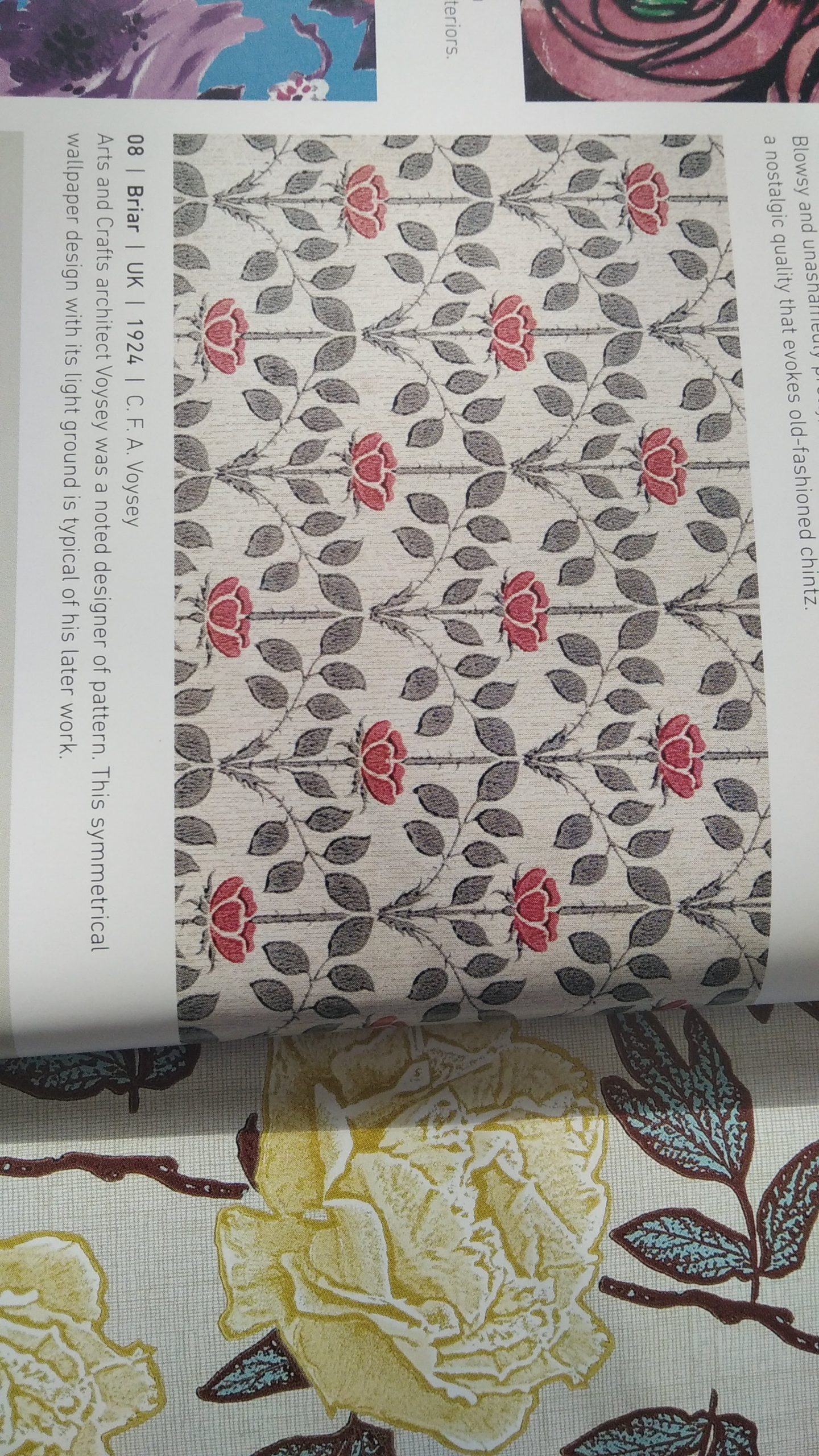
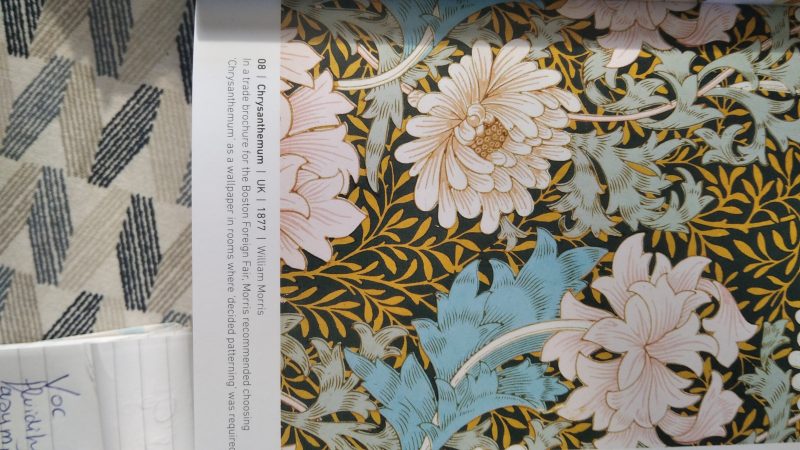
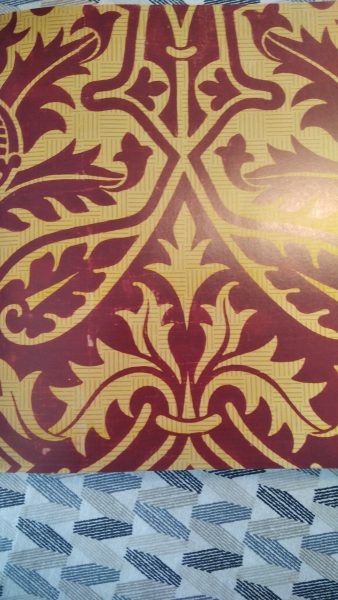
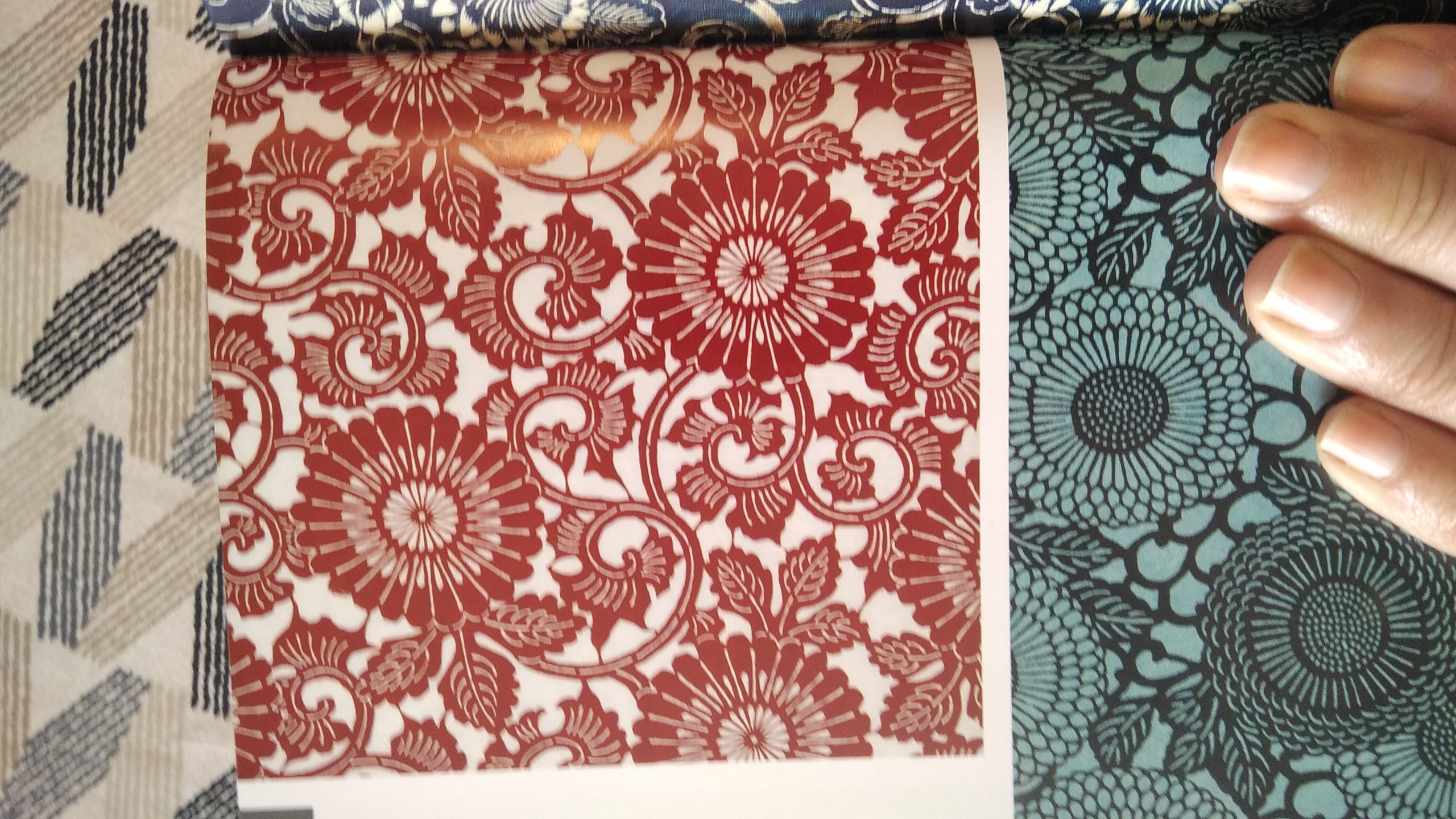
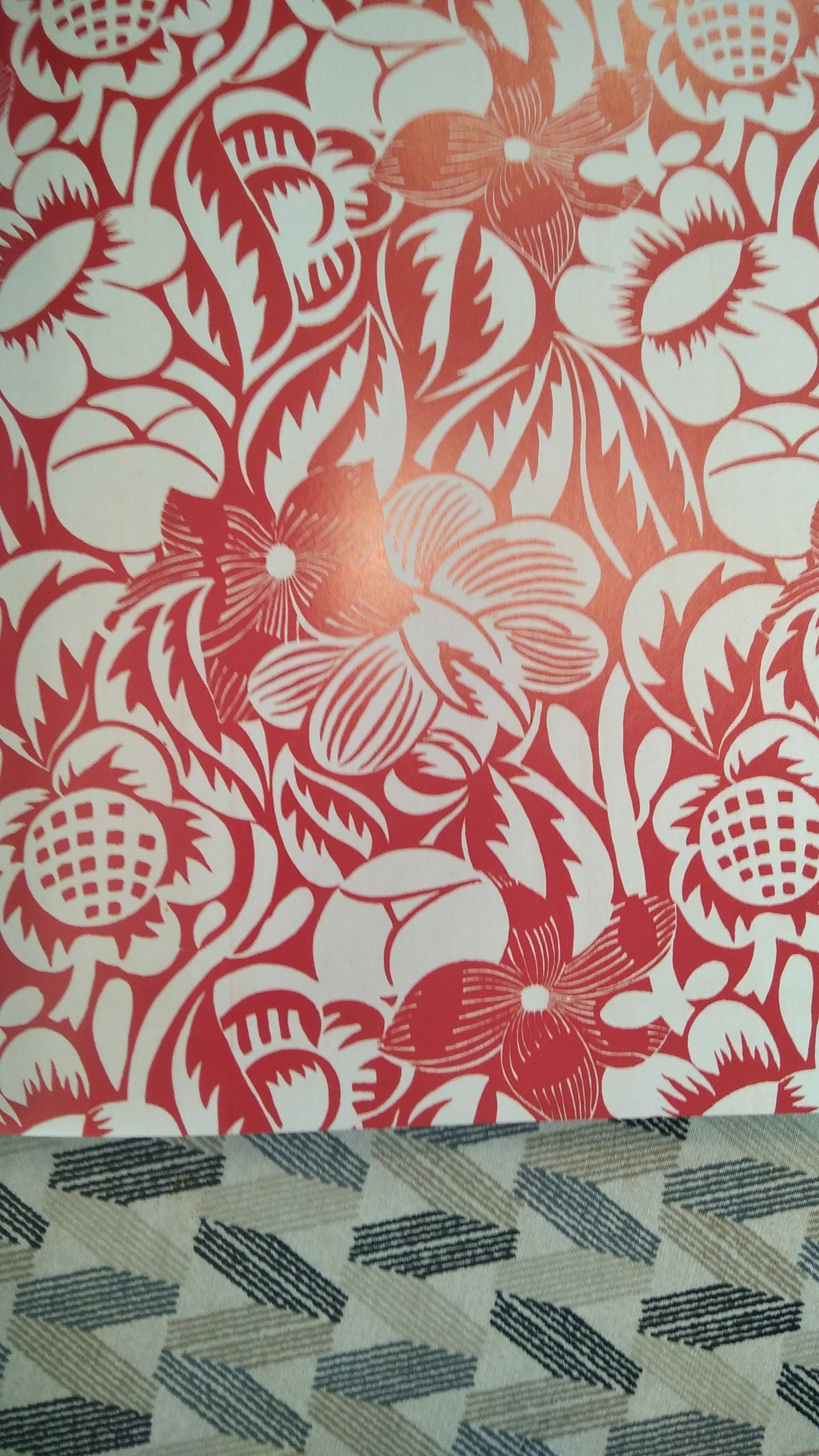
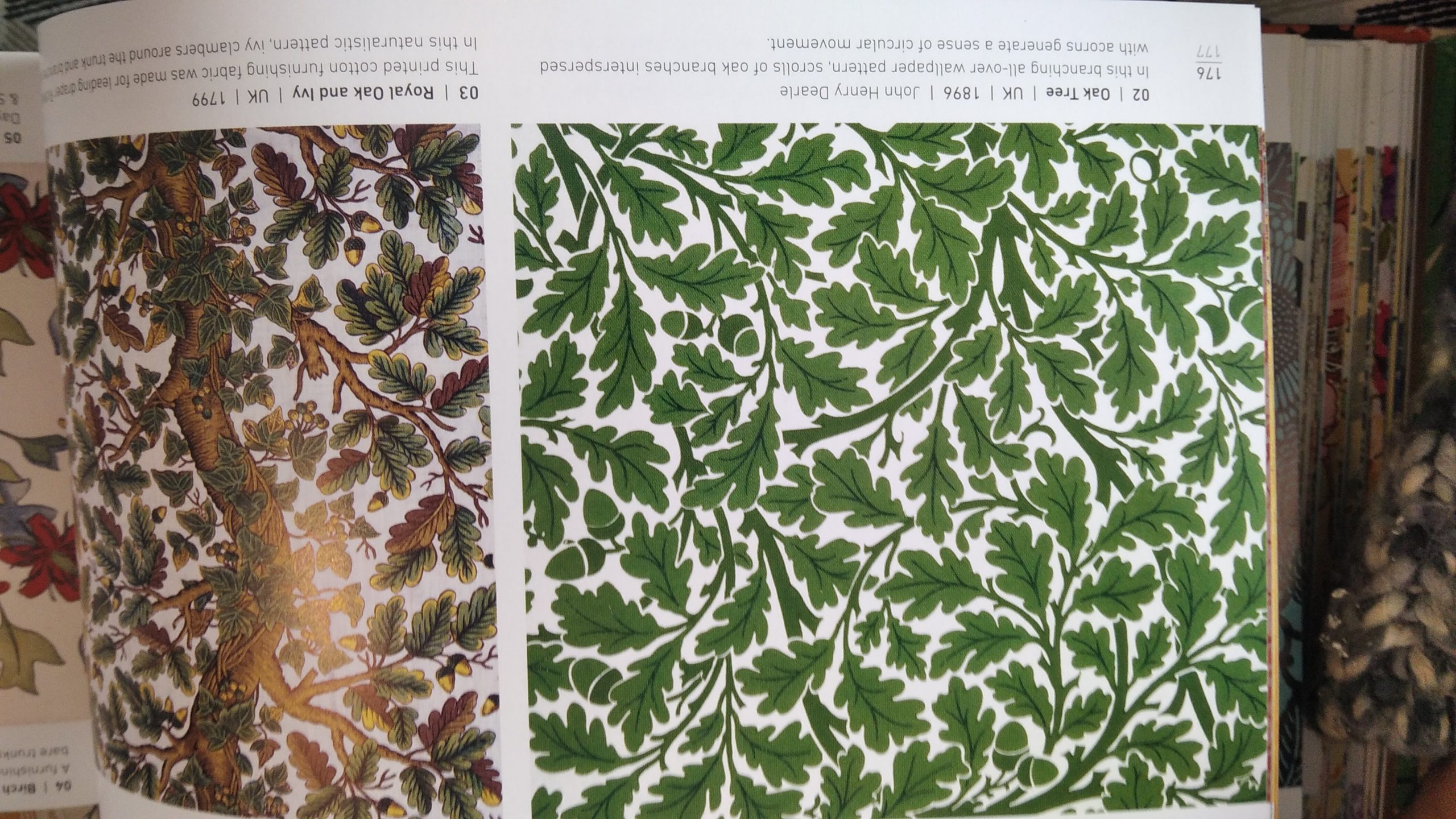
Cette année, alors que je cherchais des cours de Qi Gong ou de Yoga, dans les faits, je me suis mise (en hobby light) au modelage avec un beau petit groupe de passionnées et j’en suis très contente. Ça fait un bien fou de voir et penser volumes et … rencontrer de la terre plus ou moins chamottée.
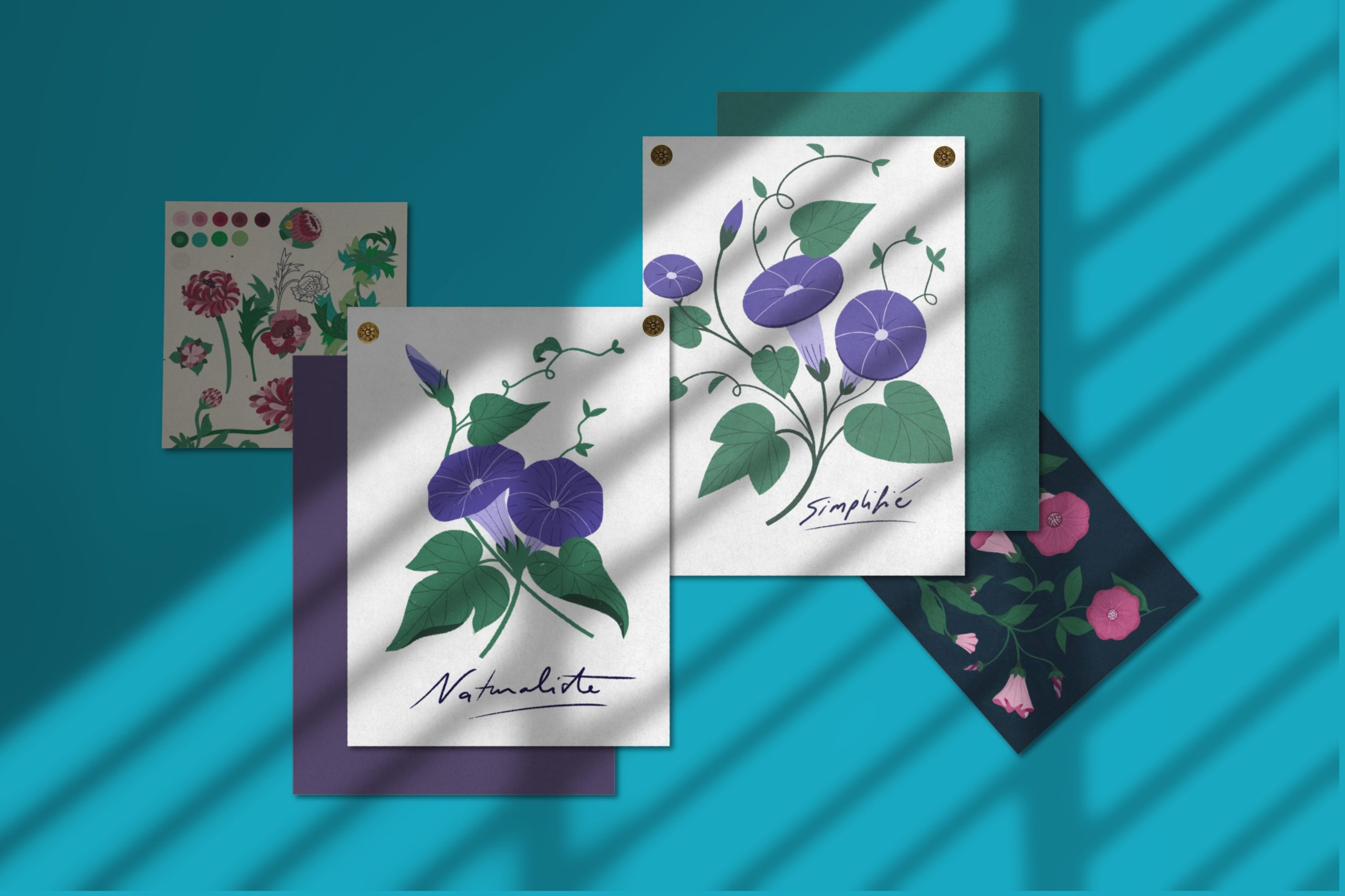
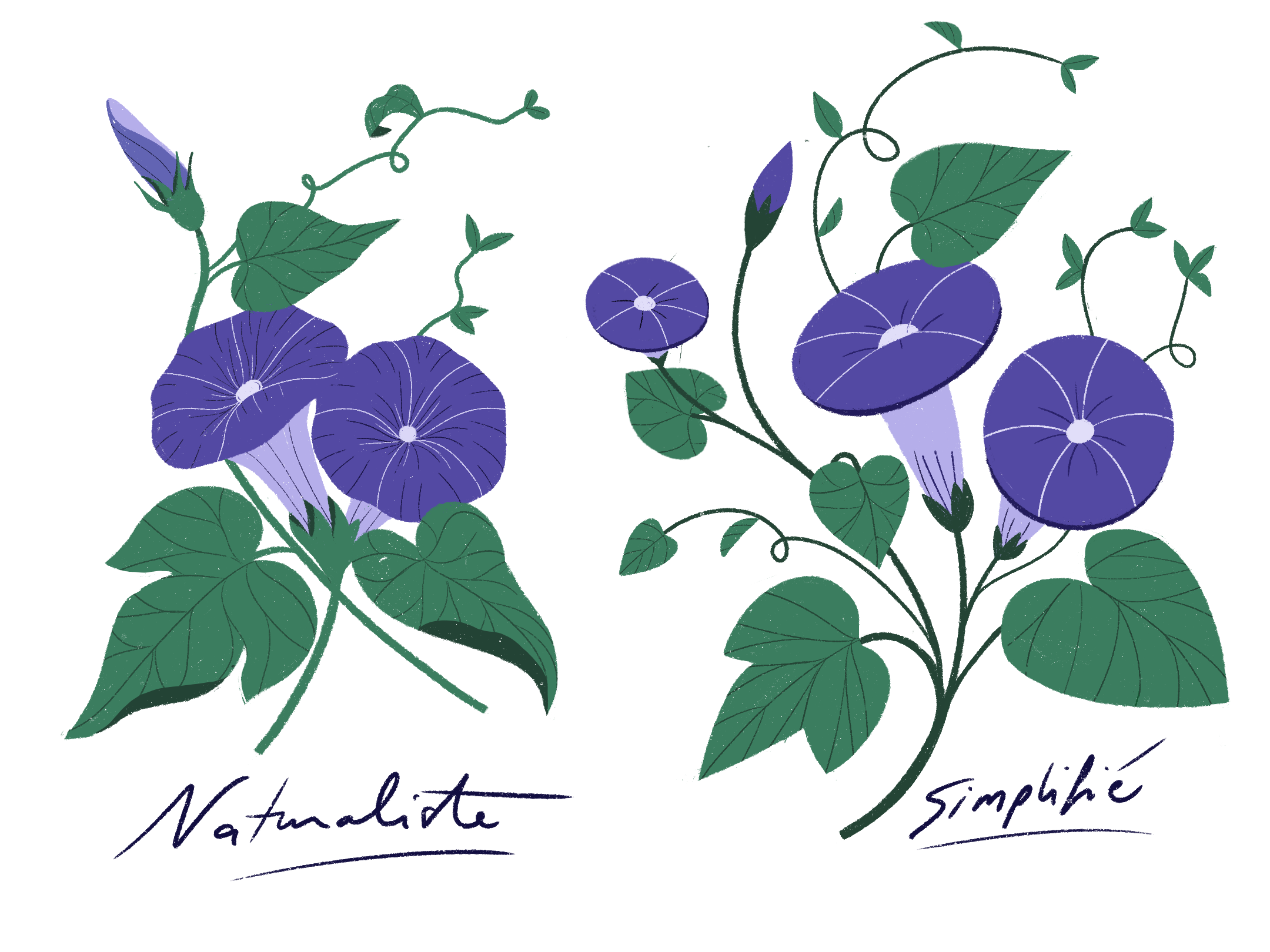
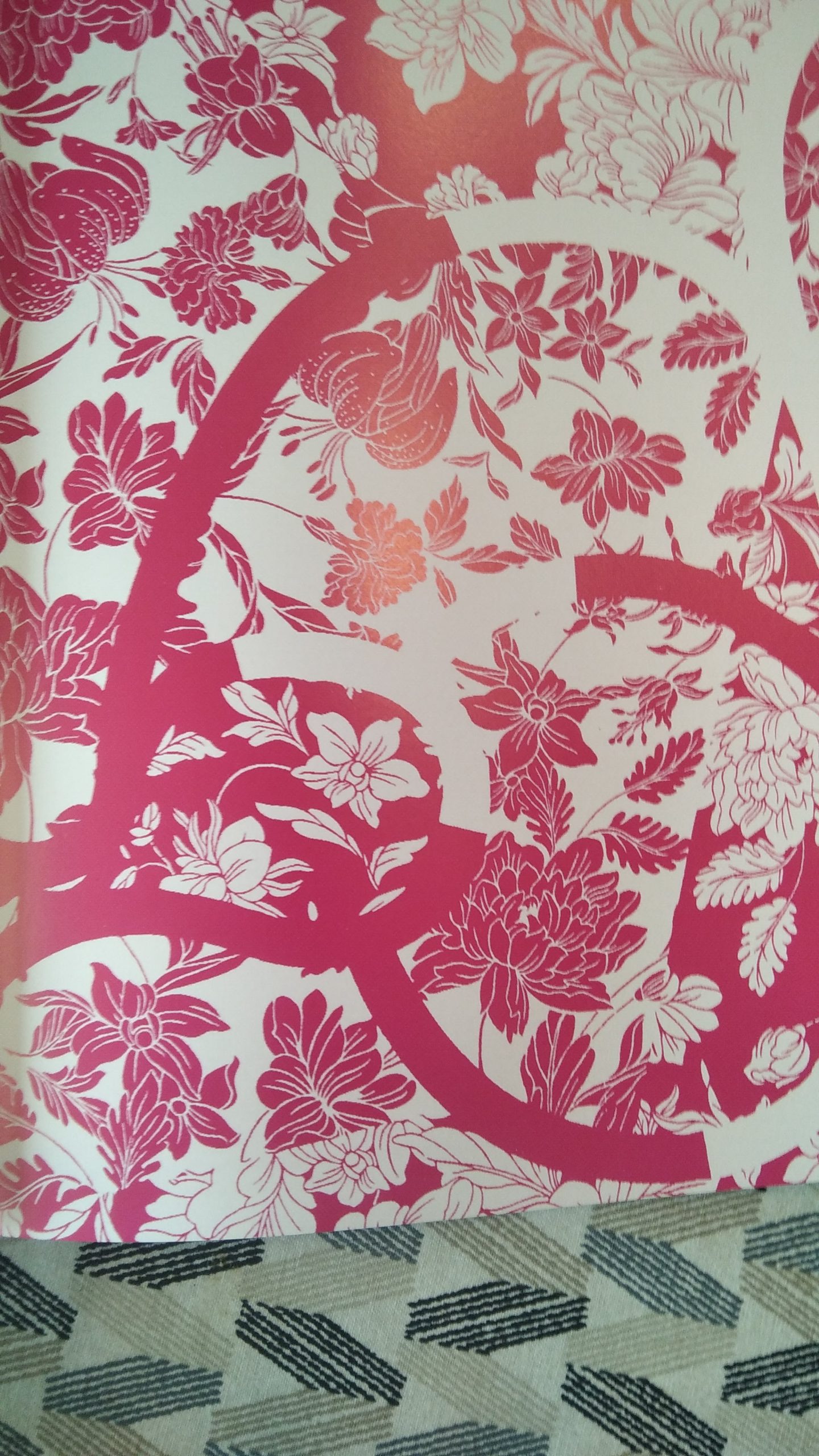
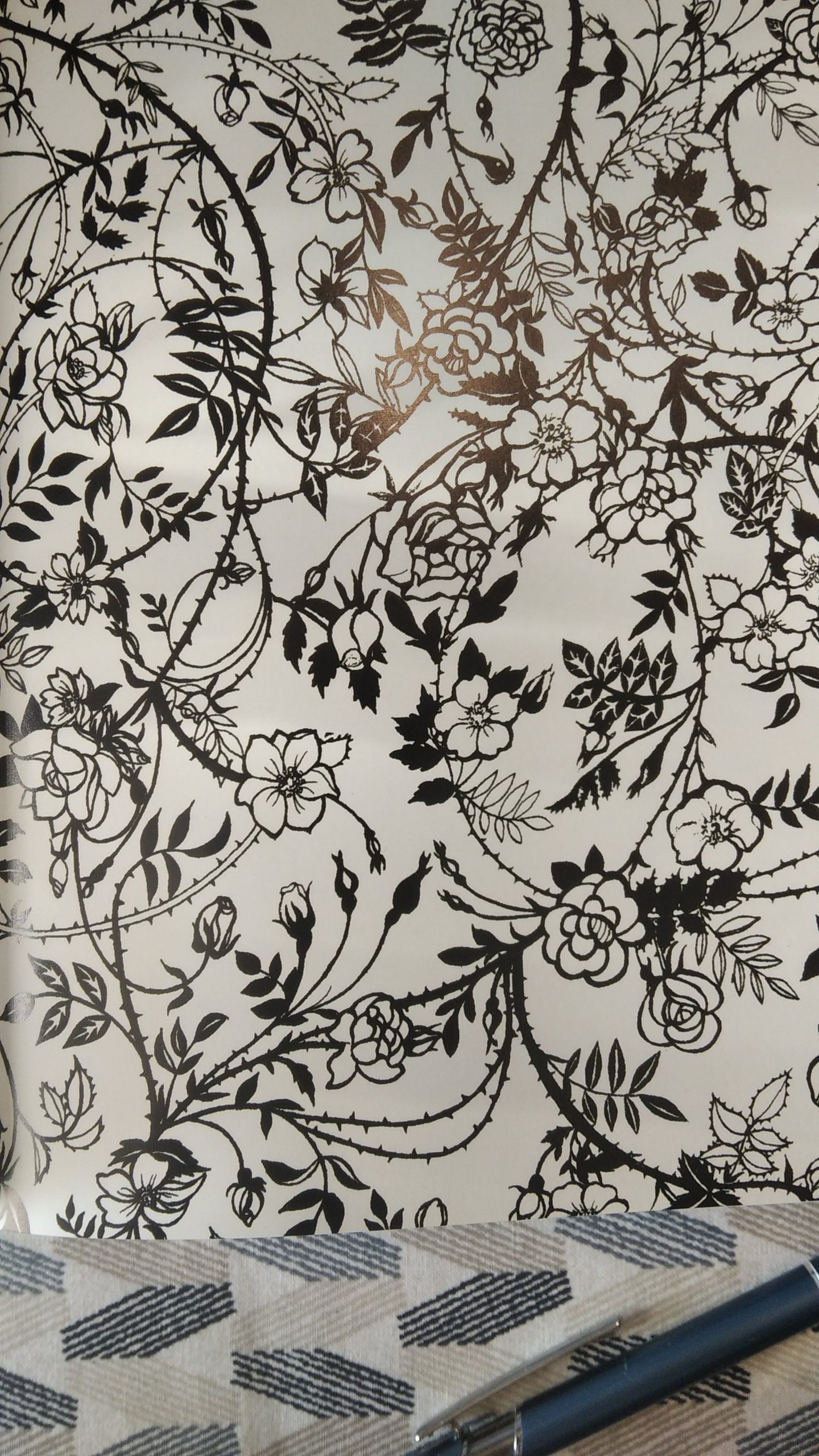
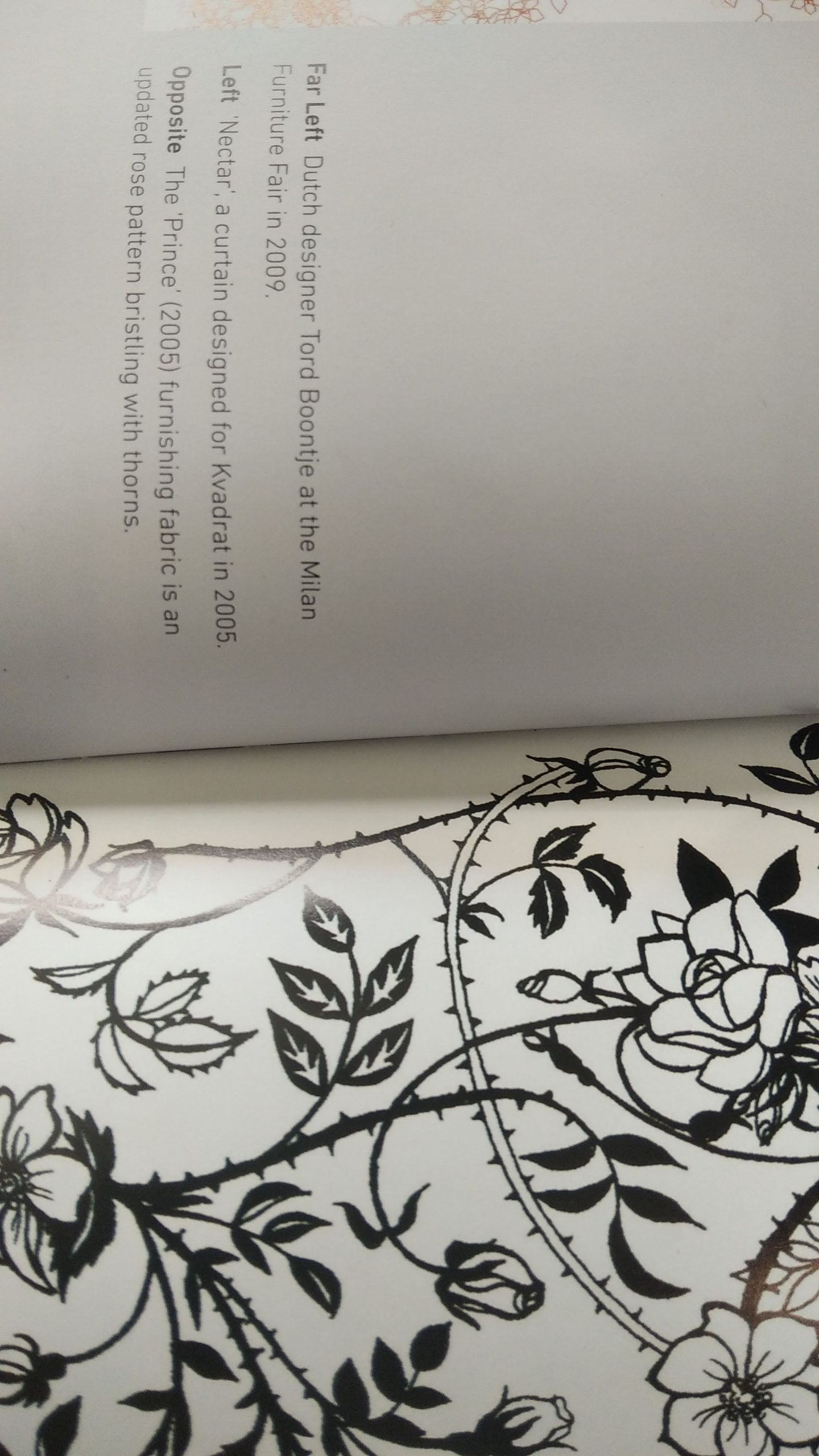
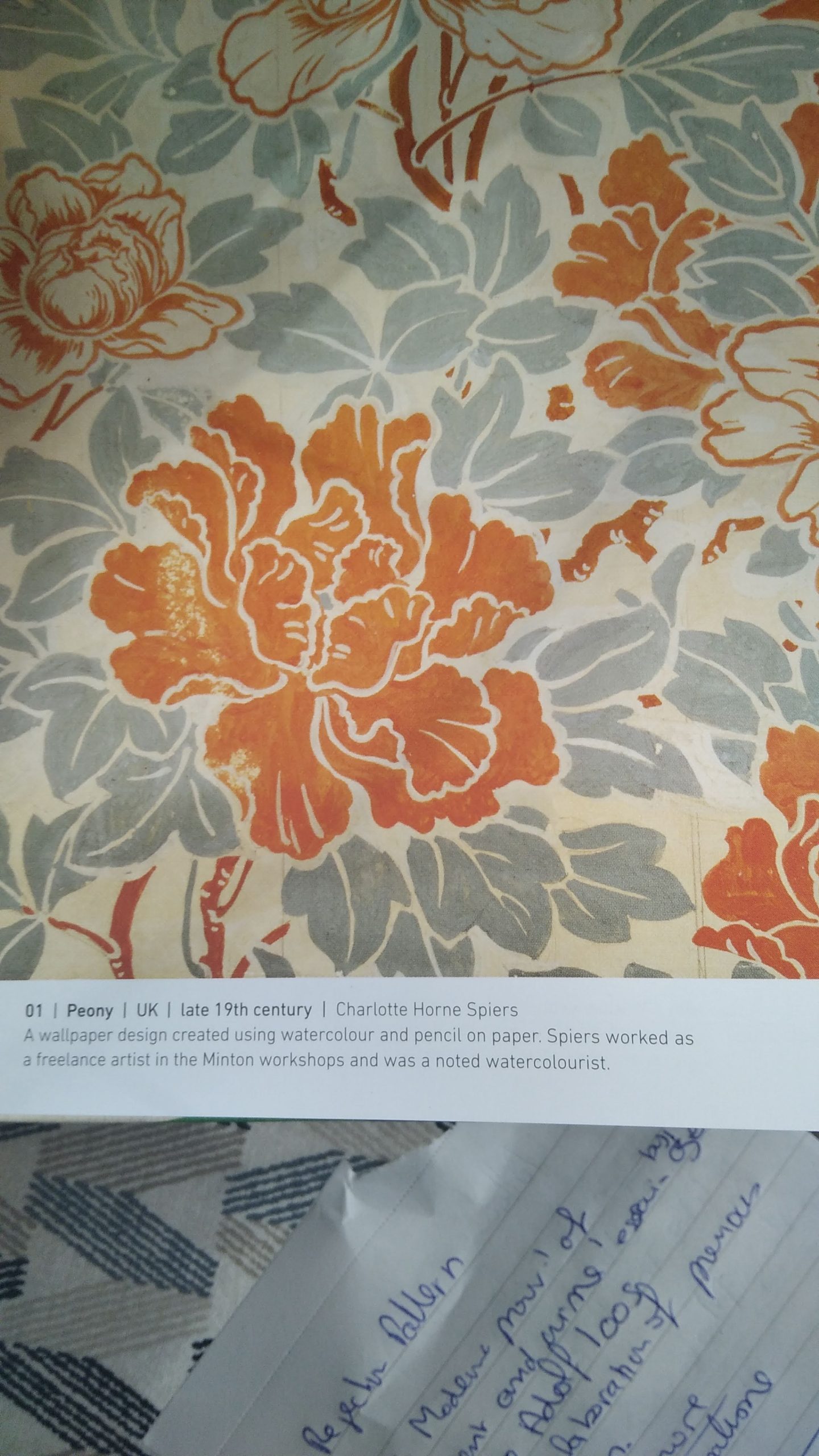
… et peut etre que ça me donne envie de re-considerer le corps dans ses representations, dessiner en simplifiant les traits … ceci entre 2 motifs fleuris. ici, j’ai mélangé les deux..
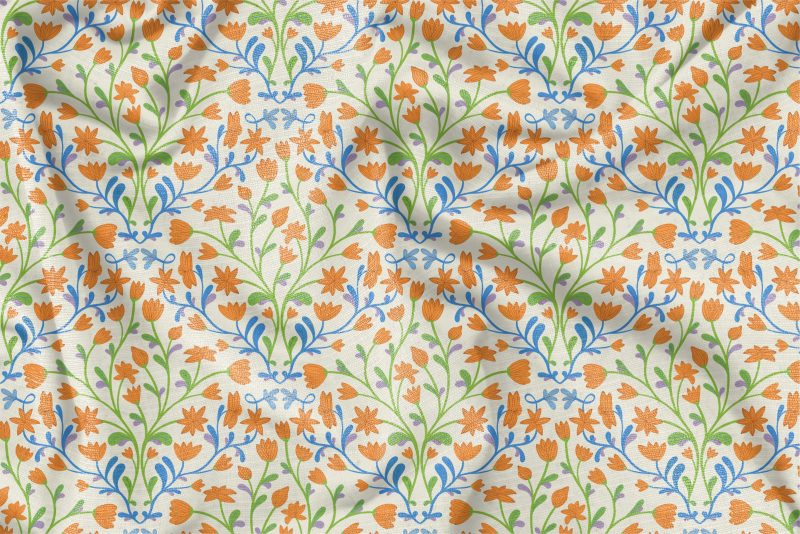
I like to design timeless and modern atmosphere, This field flower pattern is one of them 🙂
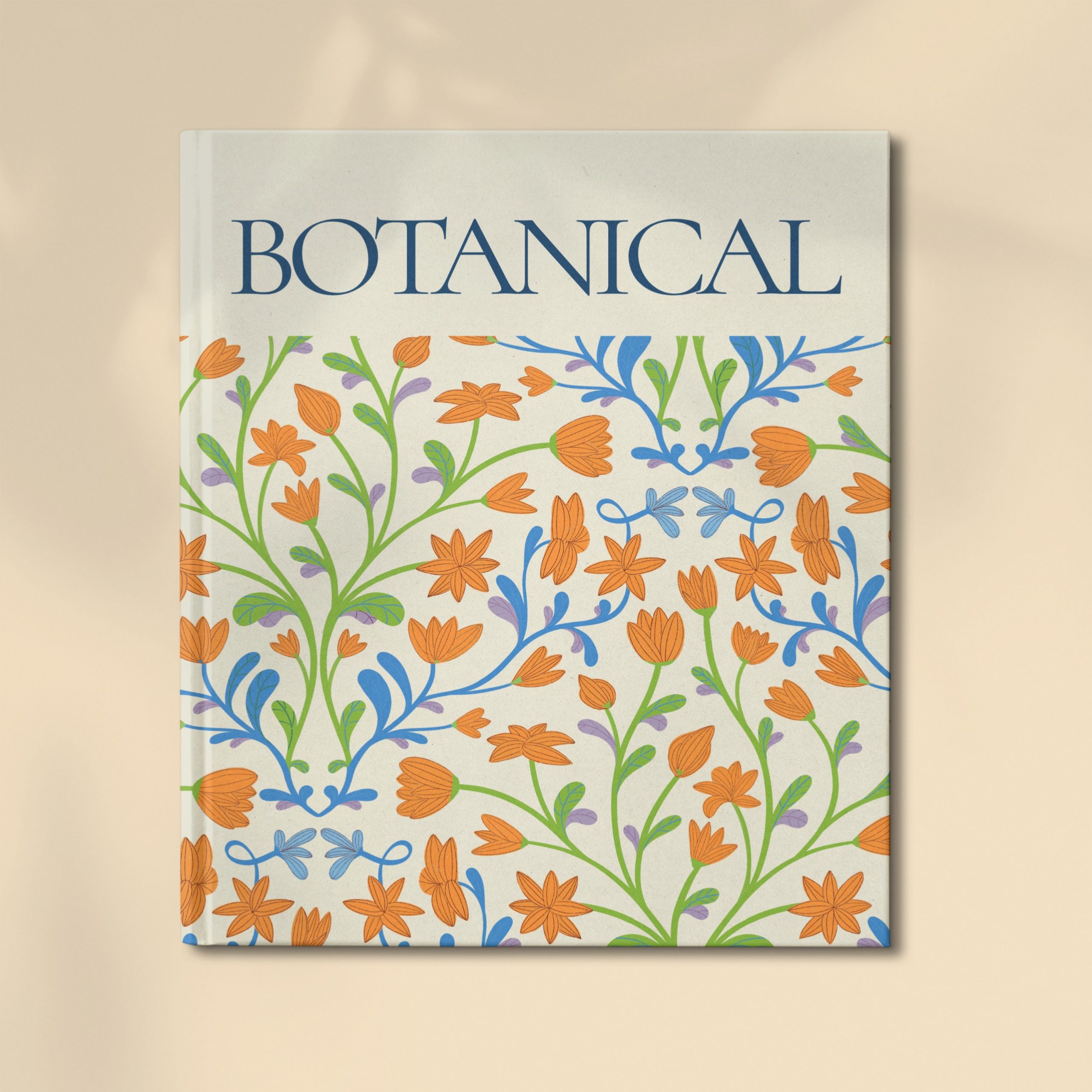
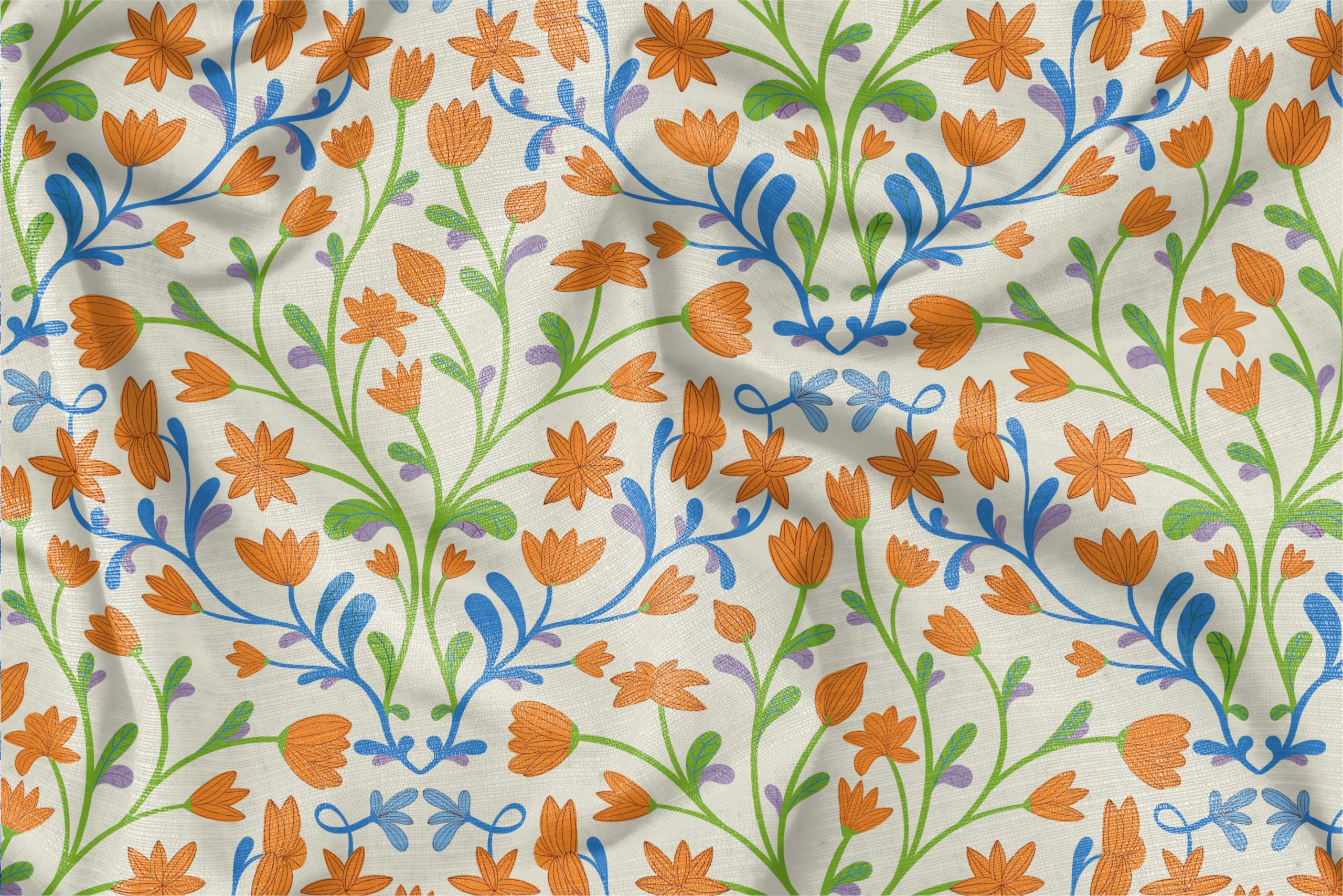
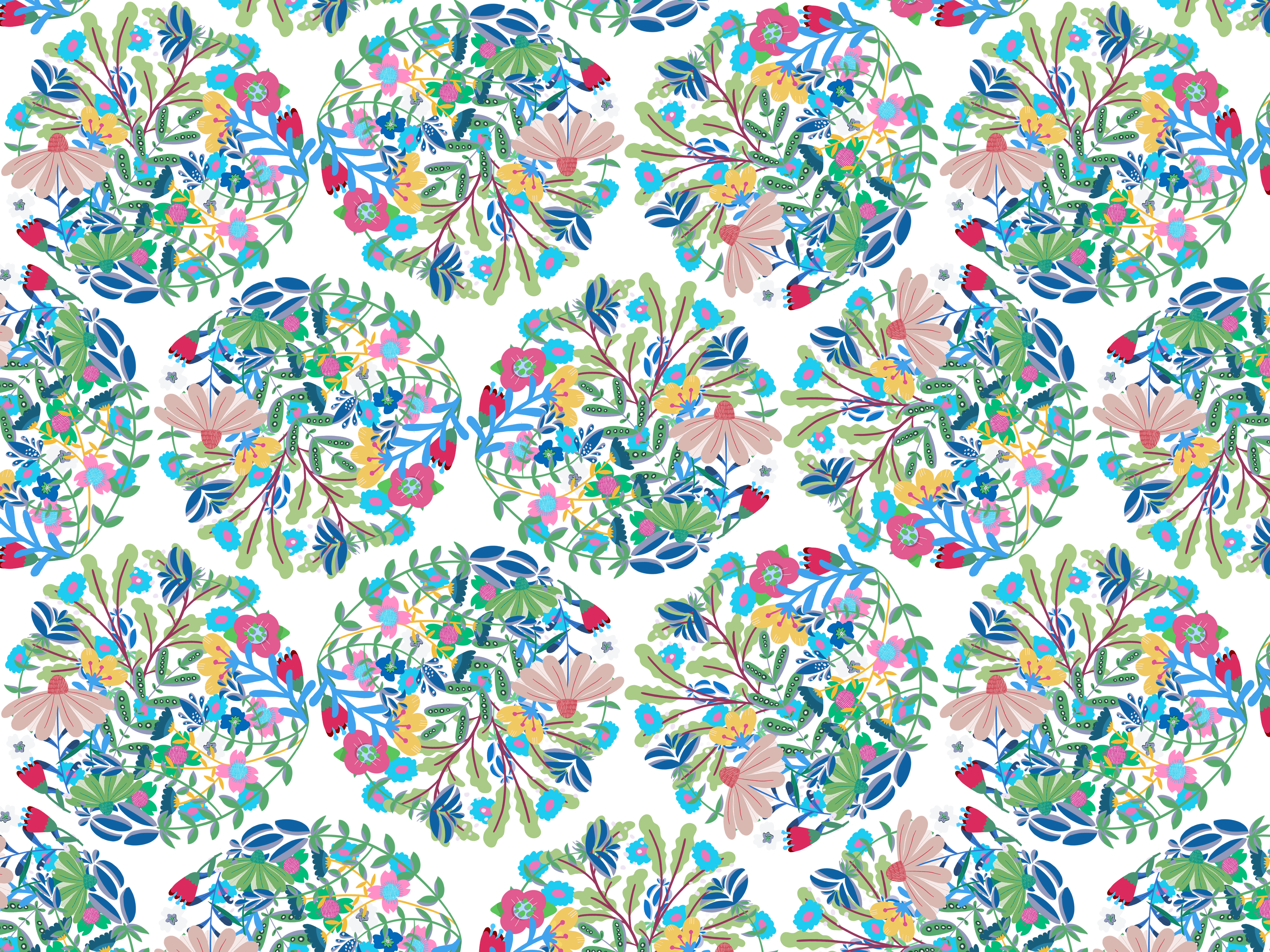
In some way, the pattern draws from Scandinavian folk ornament. it is charactersed by its stylized botanical forms and clean, expressive linework. The layout is based on a vertical axis of symmetry where curved, vine-like branches stem from a central point and mirror outward to meet the neighboring spray, creating a rhythmic, trellis-like effect
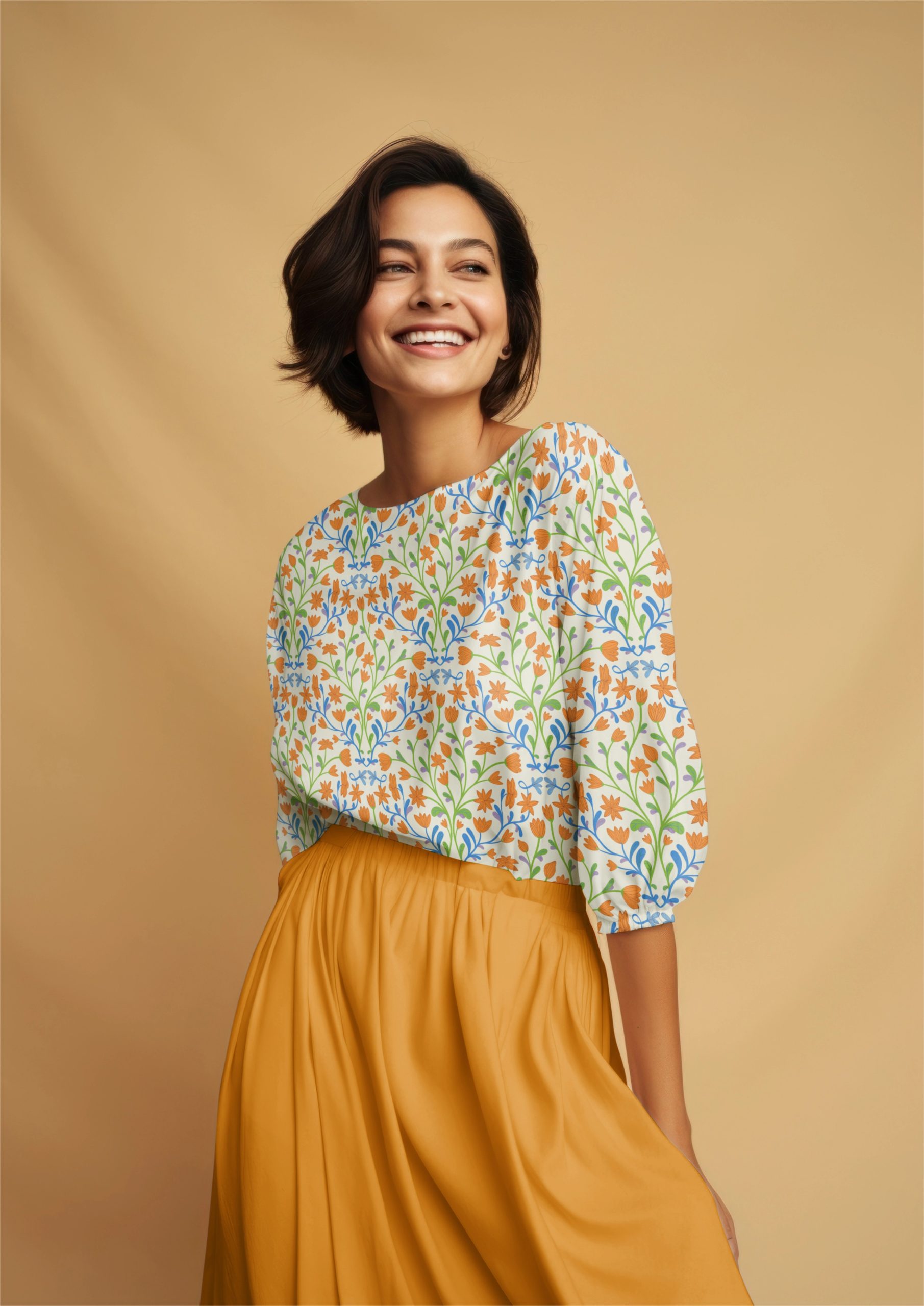
This decorative palette lay on a creamy ground that reads graphic, vintage-referential, and spatially immersive. The dominant marigold/orange reads as sunlit and celebratory, giving the pattern an optimistic, lively charge. It feels like a fabric or a room warmed from within, inviting, spirited, and slightly nostalgic.
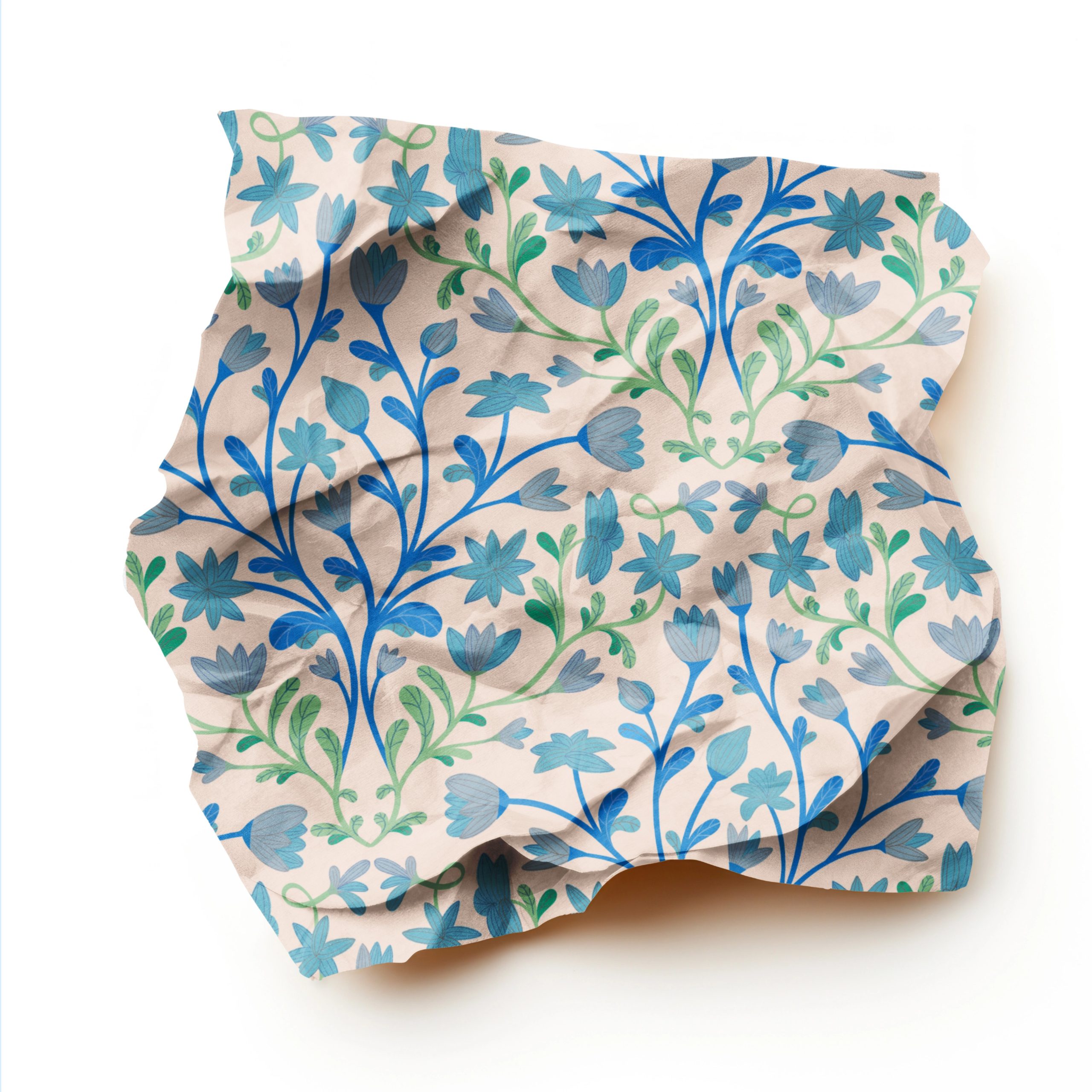
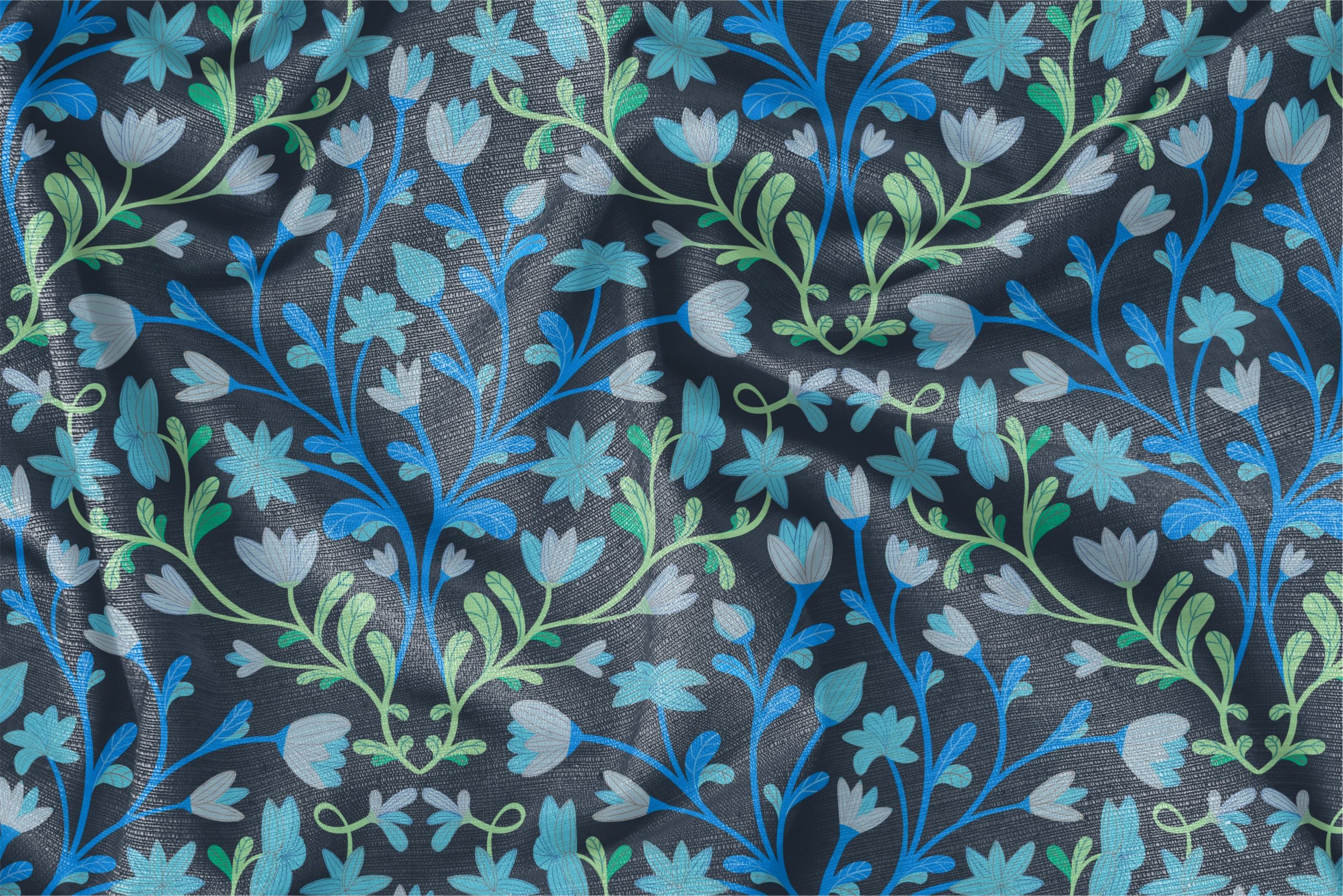
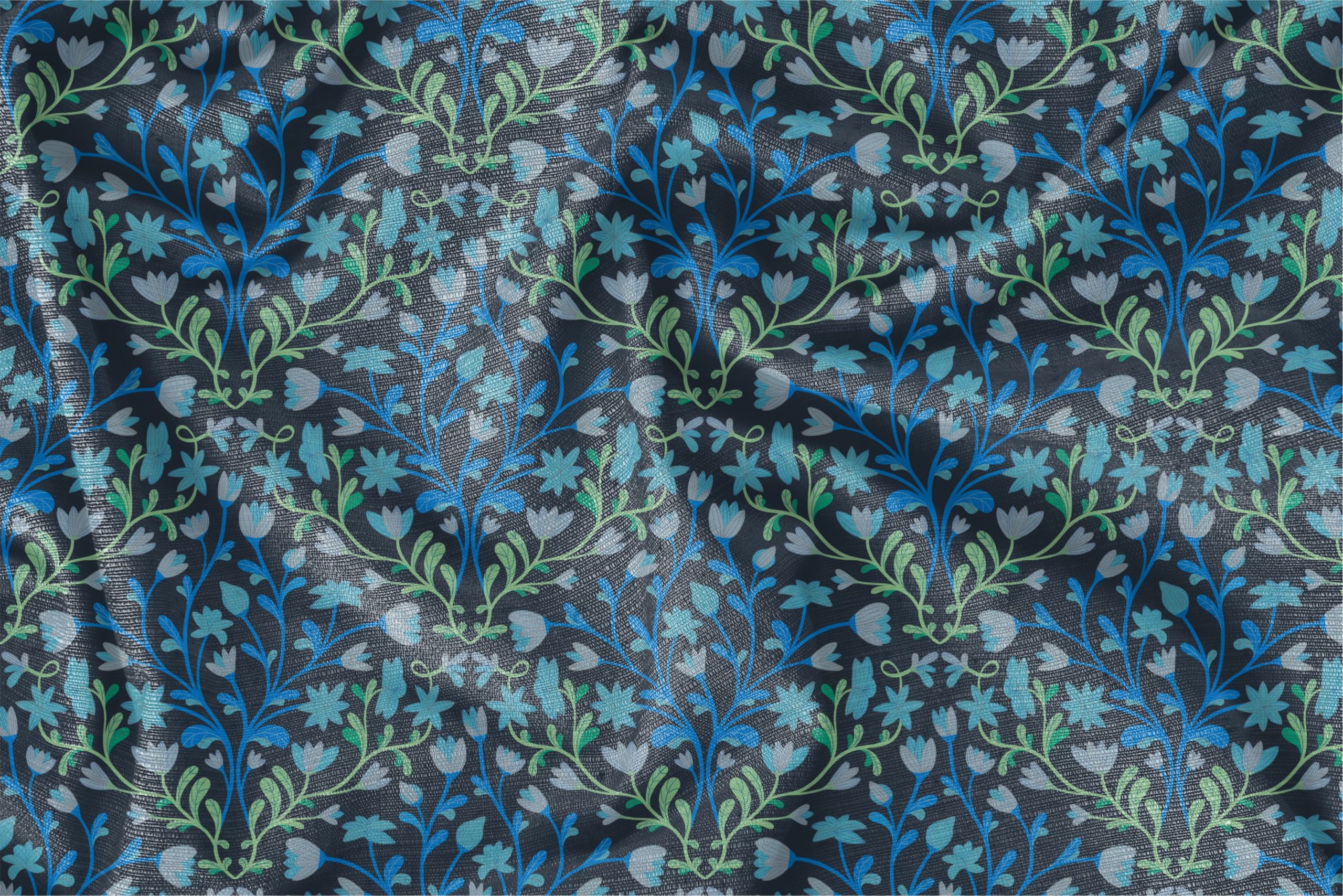
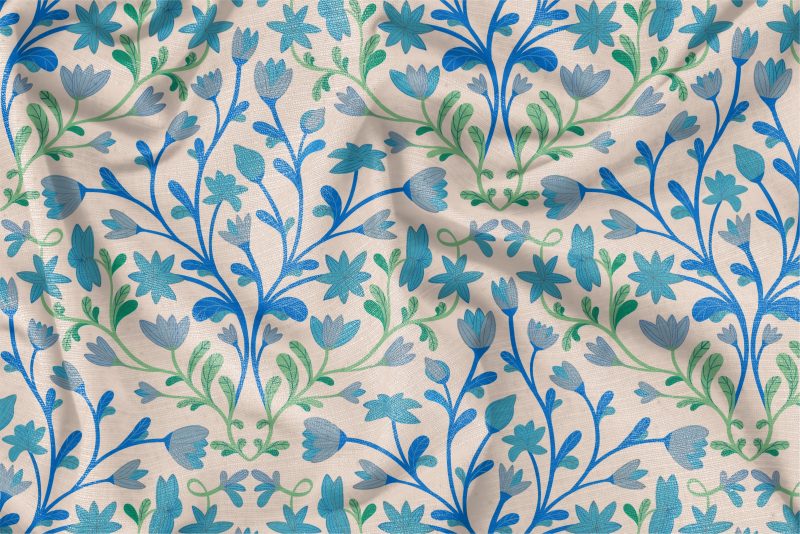
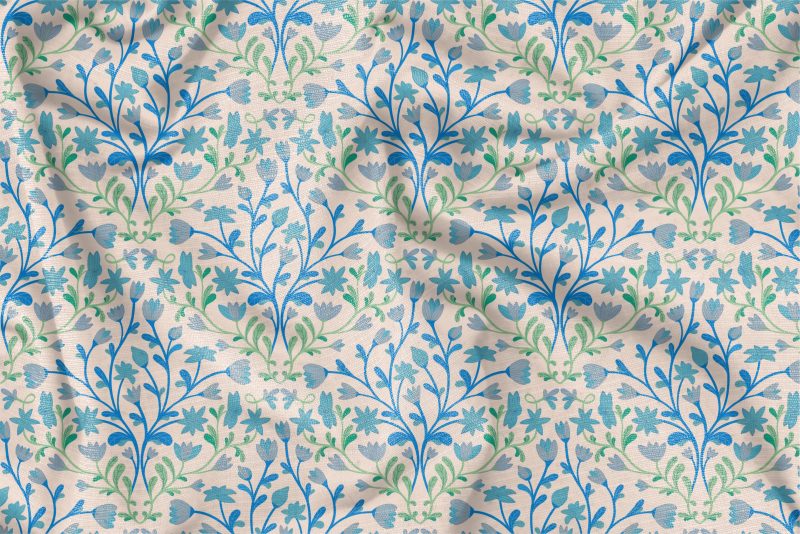
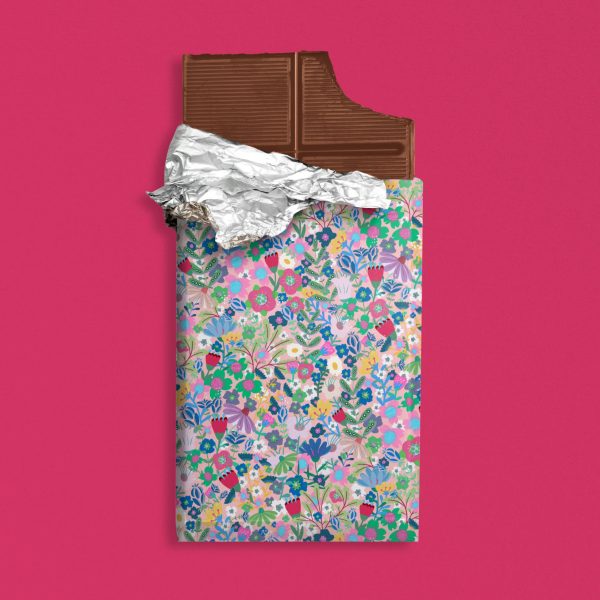
With this palette, it becomes a richly structured botanical field. Still designed for full-coverage impact. Tall vine “fronds” in saturated cobalt and cool mint rise in repeating columns, branching outward into buds and starry blooms that lock into the neighboring stems
Printed on fabric, the strong outlines and high-contrast palette hold beautifully across scales: ideal for upholstery, drapery, cushions, duvet covers, and bold statement pieces where you want continuous pattern coverage and a confident, decorative finish.
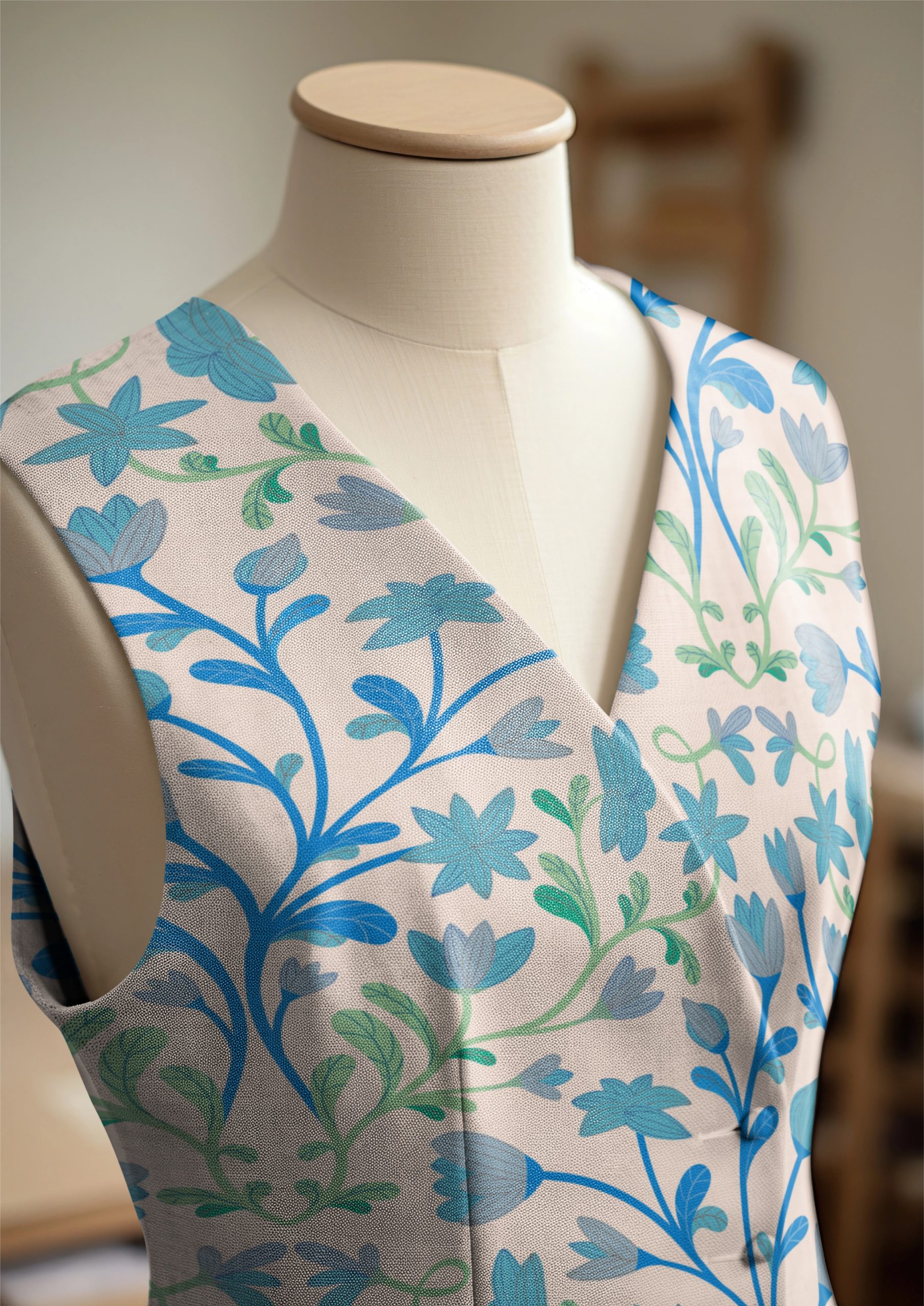
A classic, tailored, and decorative, with a refined coastal-traditional feel
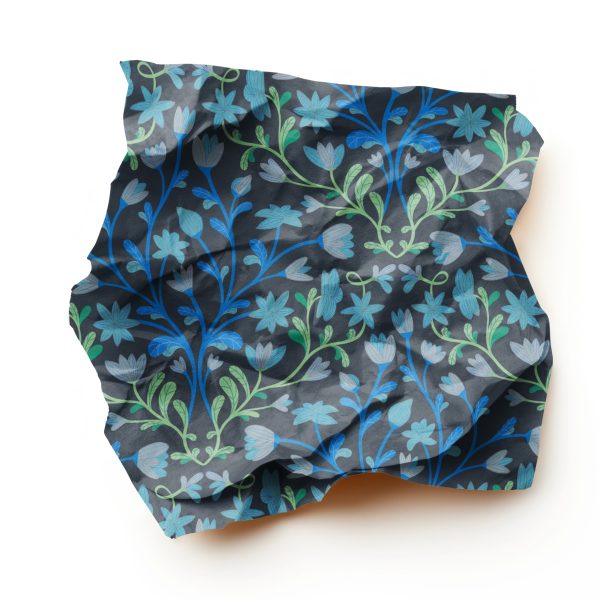
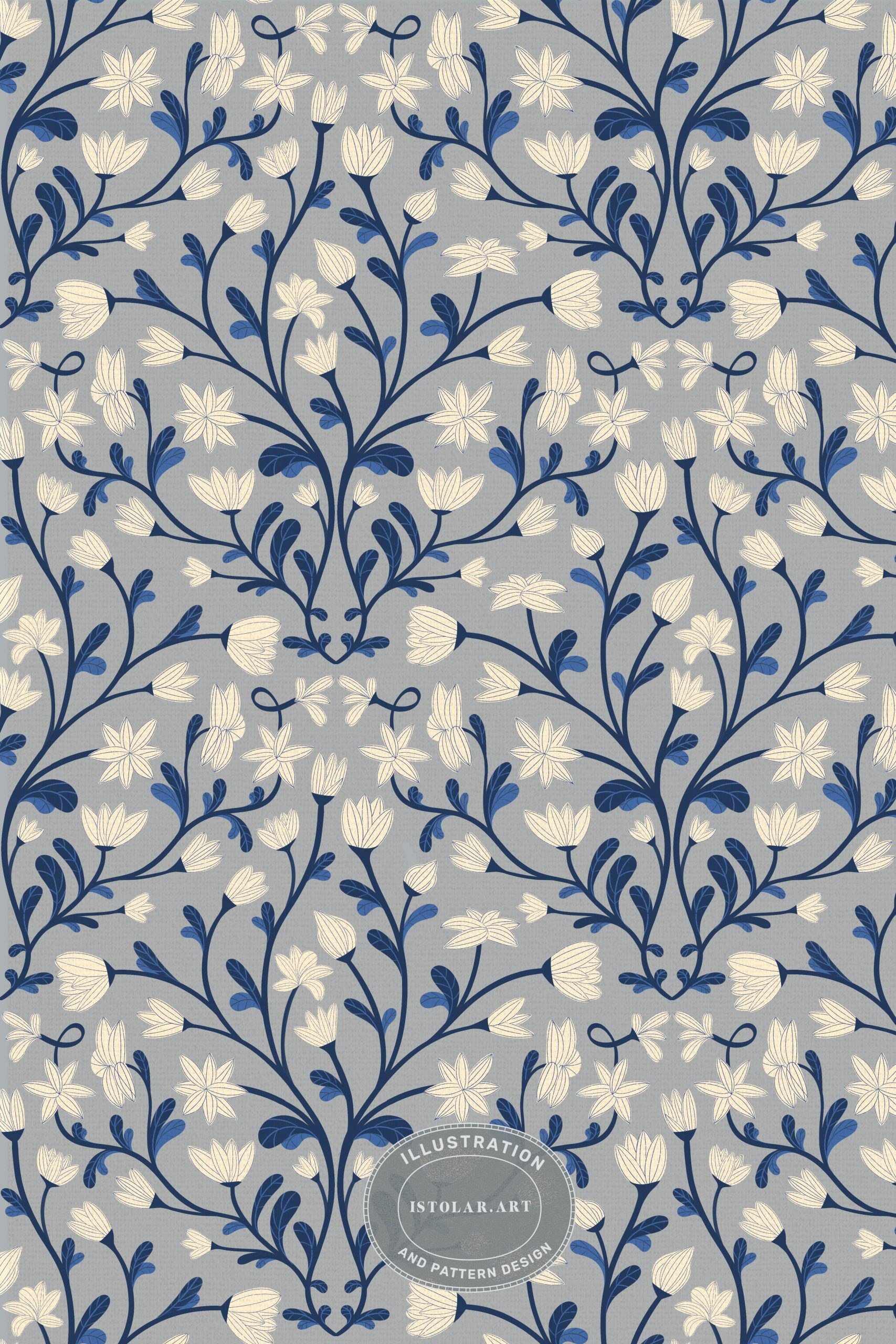
This colorway shifts the pattern into a cool, porcelain-inspired palette – crisp, architectural, and quietly dramatic.
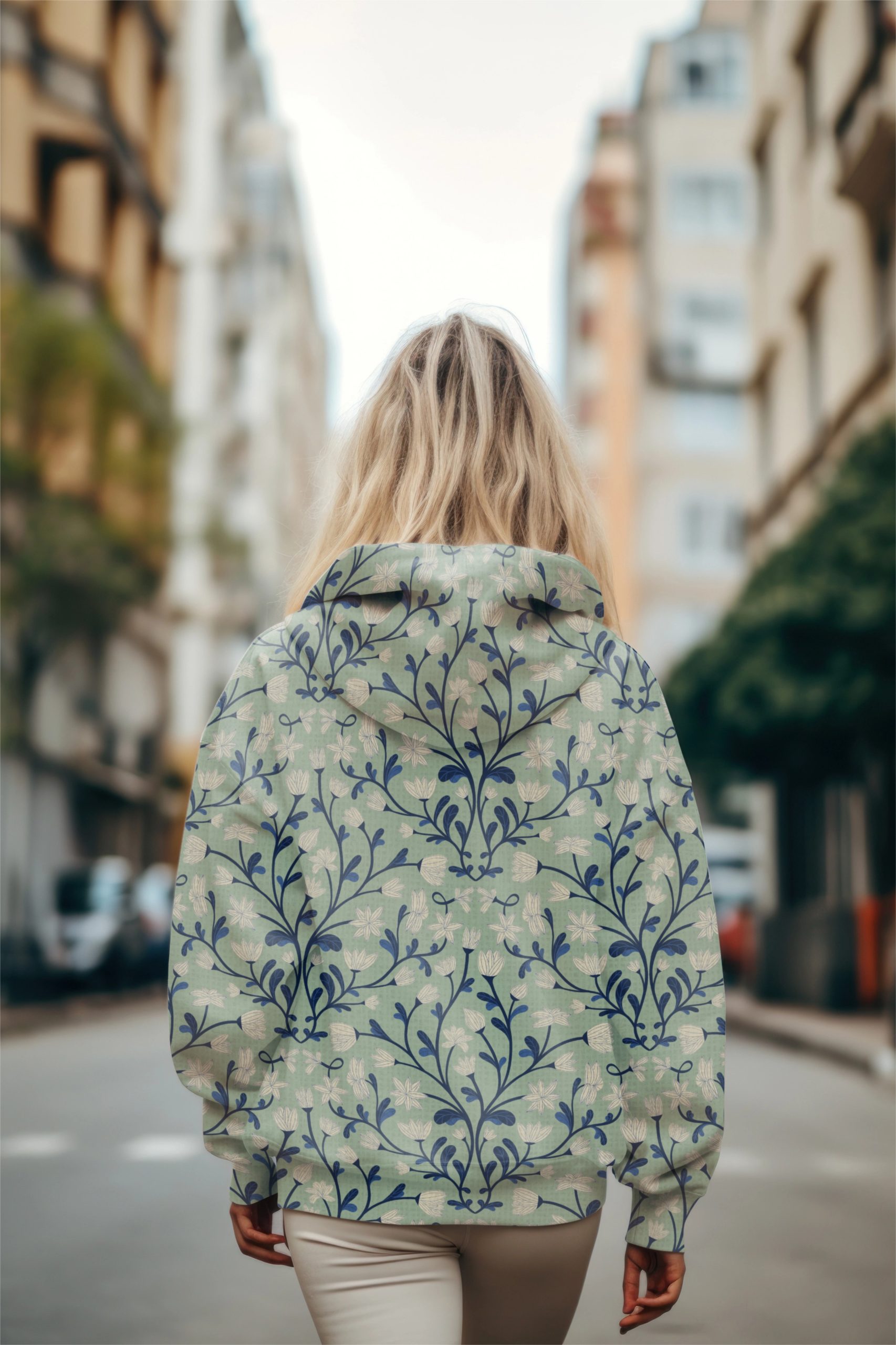
The greige base reads calm and neutral and the deep ink navy/indigo gives the design its carved, ornamental clarity and strong repeat definition.
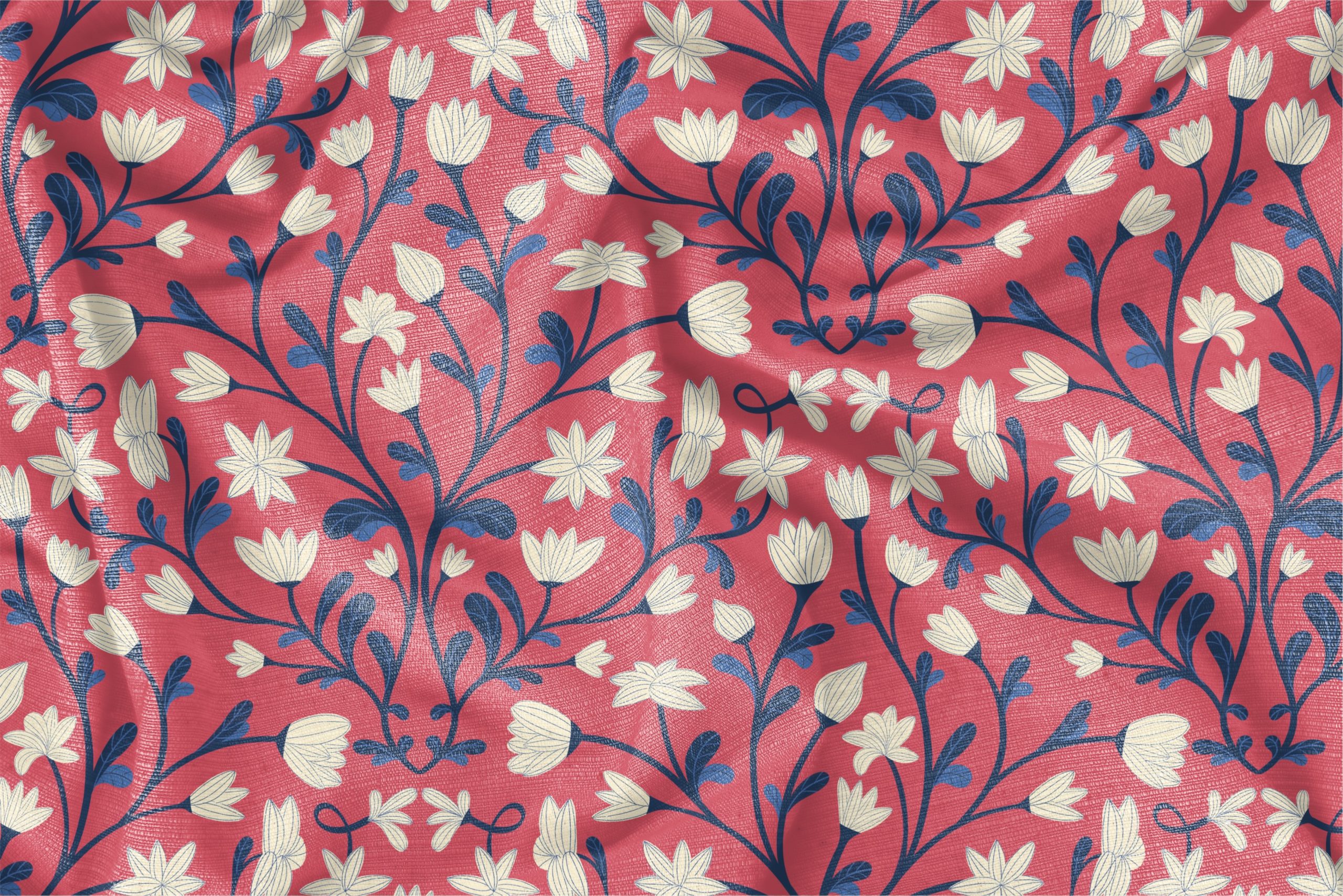
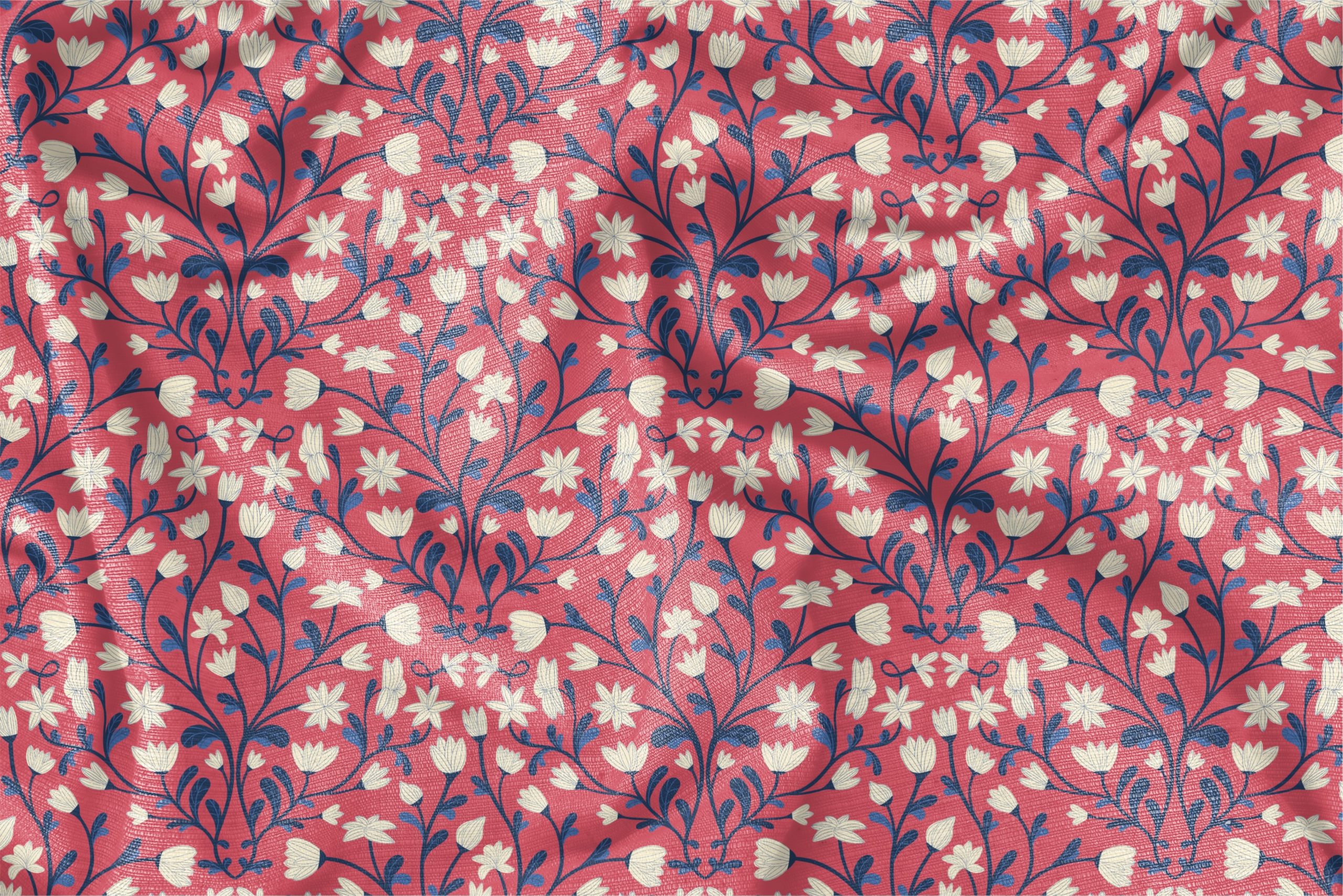
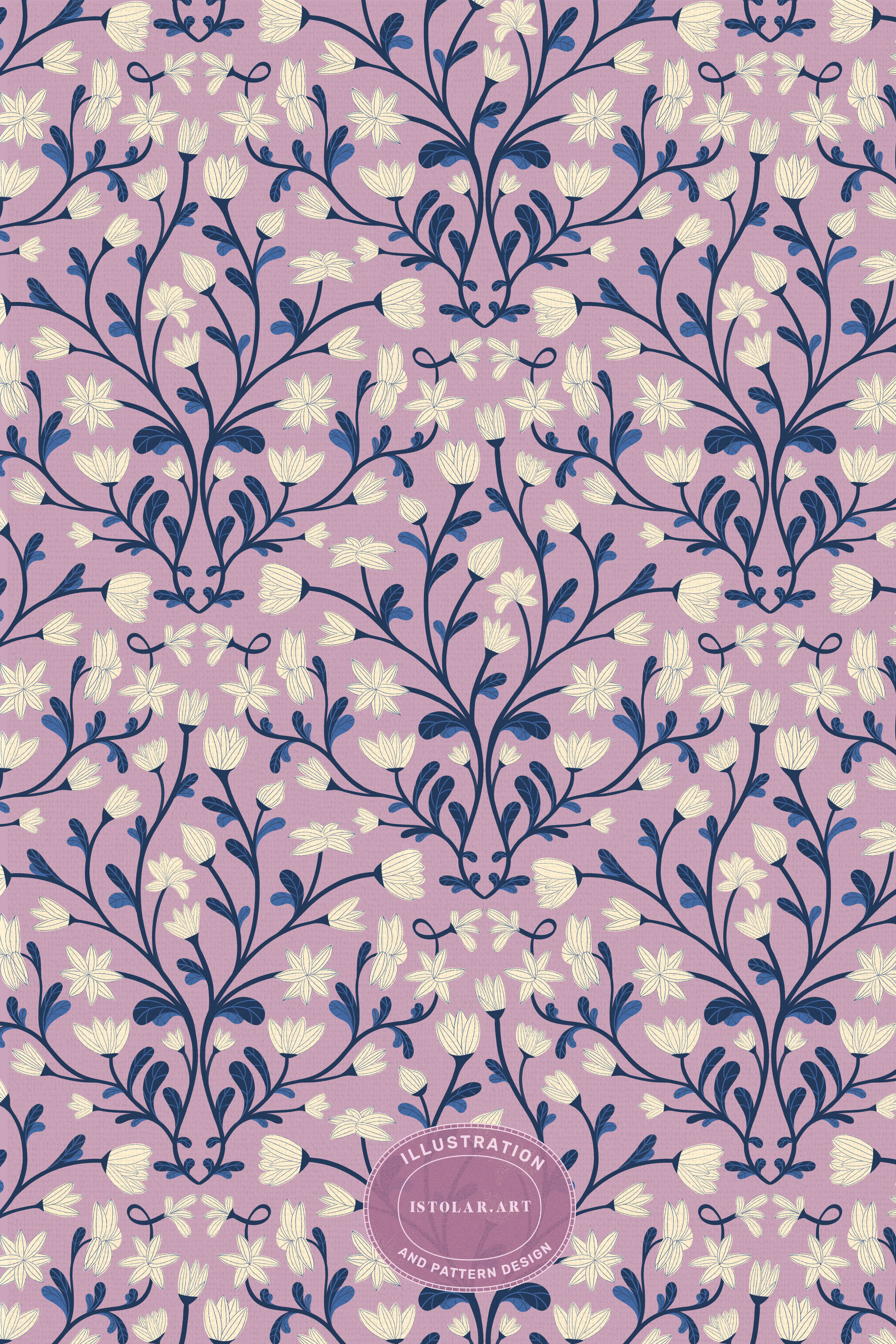
The palette is a refined combination of inky navy blue stems and creamy vanilla blossoms set against a muted dusty lilac/mauve background.
The contrast between the dark, structural “skeleton” of the vines and the delicate, star-shaped and bell-shaped flowers creates an elegant, ornamental aesthetic. It balances the precision of a graphic print with the soulful, hand-rendered feel of vintage wallpaper.
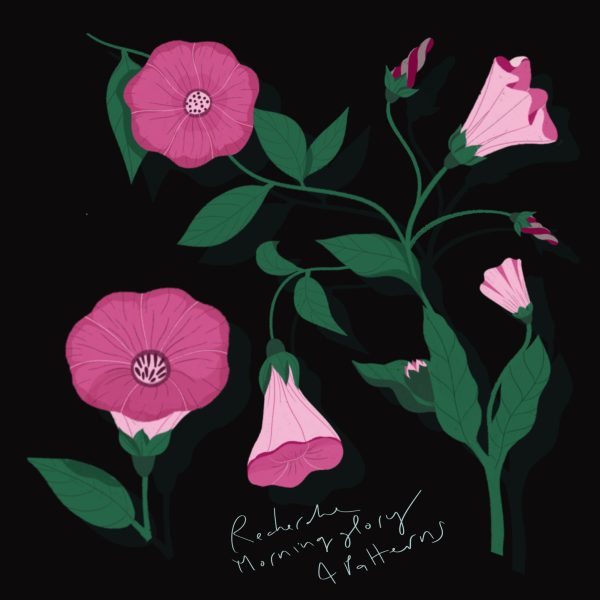
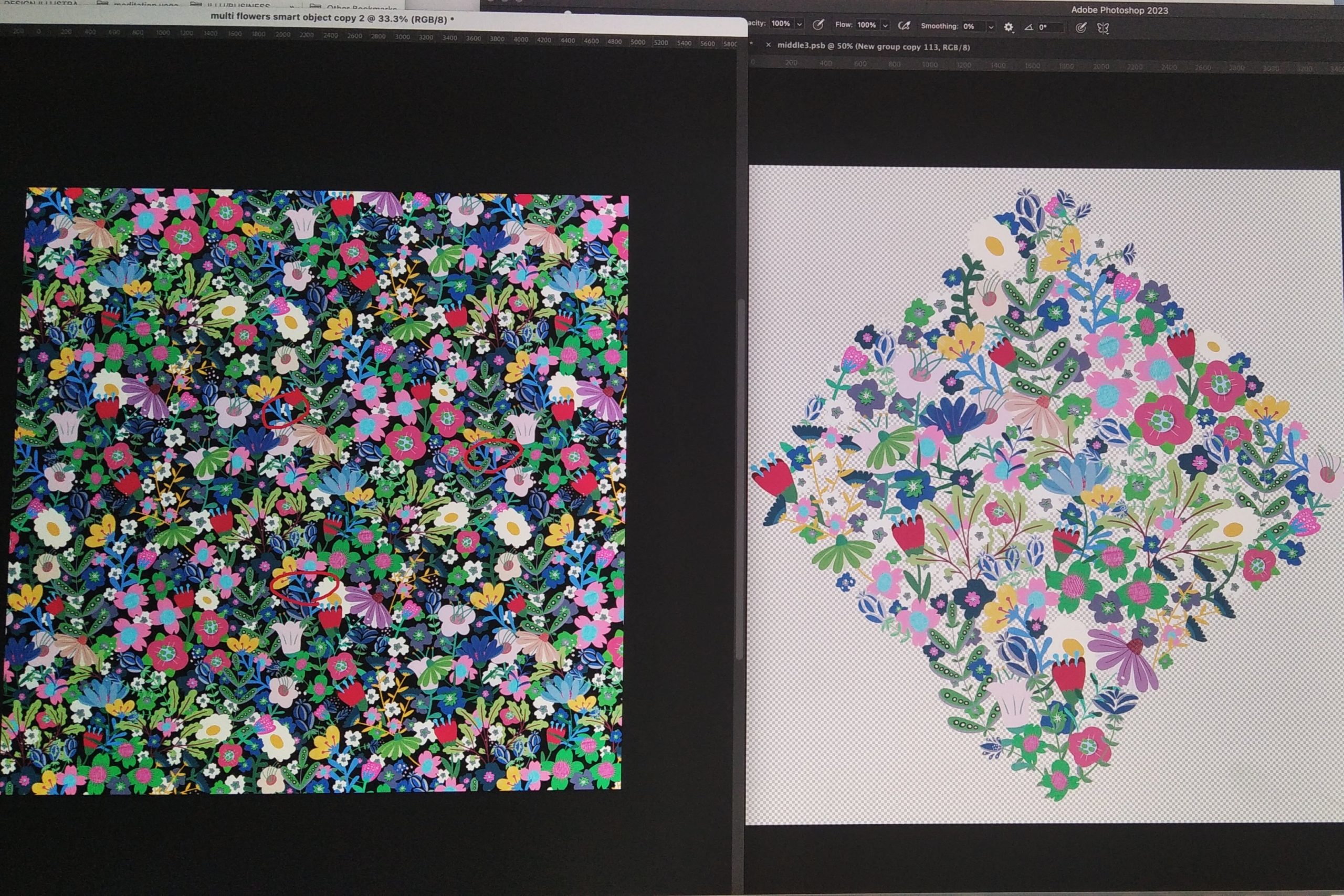
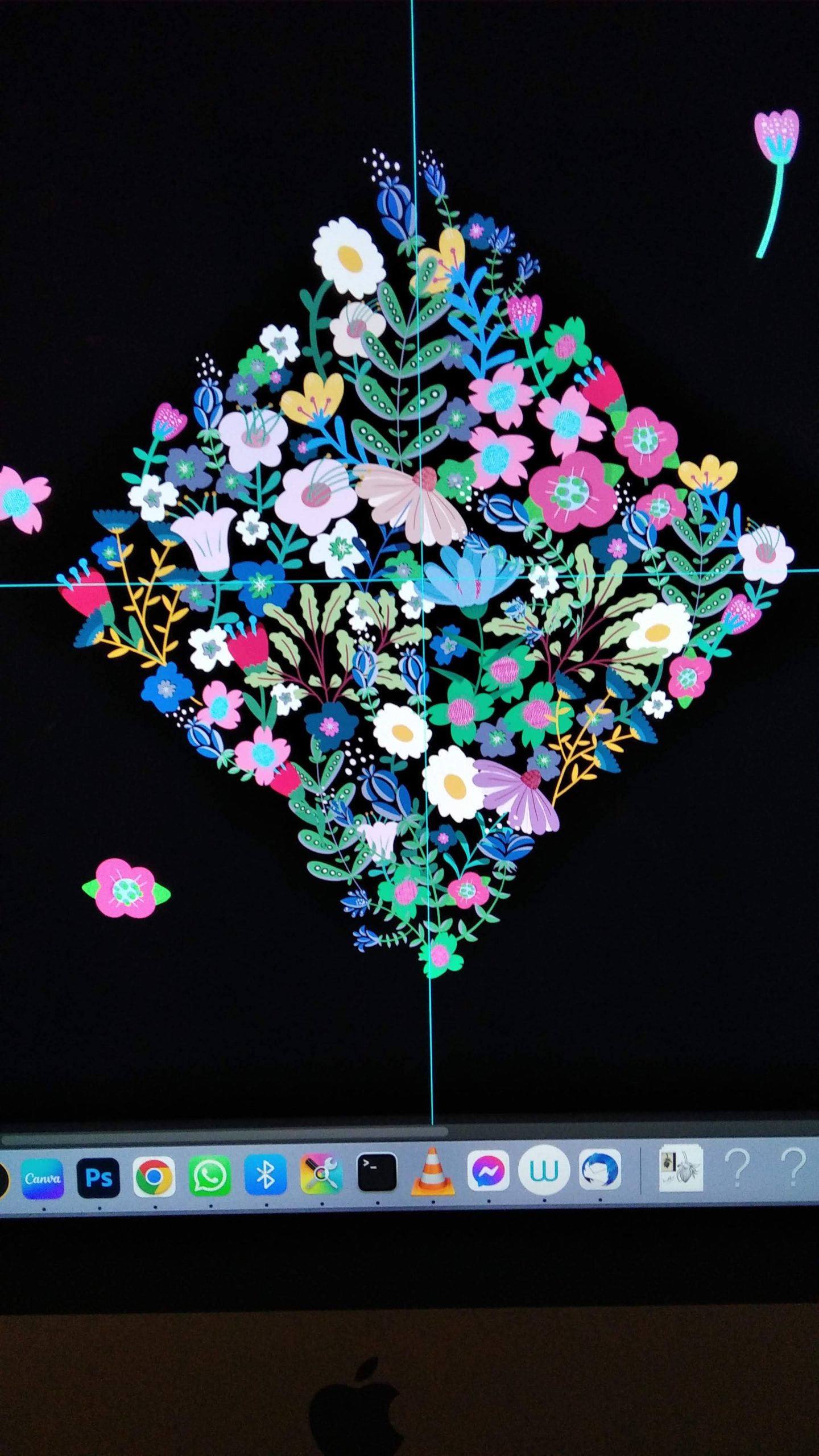
Avant de commencer à construire un pattern j’apprécie d’explorer un theme floral, de me questionner en croquis sur la manière dont les feuilles varient d’une espèce à l’autre, comment représenter et/ou transformer ces variations . Comment les feuilles se présentent d’une espèce à l’autre: la forme des leurs fleurs, de leur feuilles (dentée, crénelée, lobée, incisée..etc), leurs perspectives imaginées… Ça me permet de trouver mes propres lignes, de me les approprier par répétition. A ce stade je ne me projette pas sur les futurs agencements du motif . Lorsque le moment de construire la répétition du motif arrive le design des fleurs est deja pensé. il reste à le positionner sans penser aux formes des fleurs
Parfois je me dis que je gagnerai du temps à trouver intuitivement les formes du motif à répéter en le réalisant, d un seul geste mais le processus par étape est satisfaisant. Il permet travailler les lignes plus en conscience et inclue un travail d’observation pour éventuellement s’en éloigner.
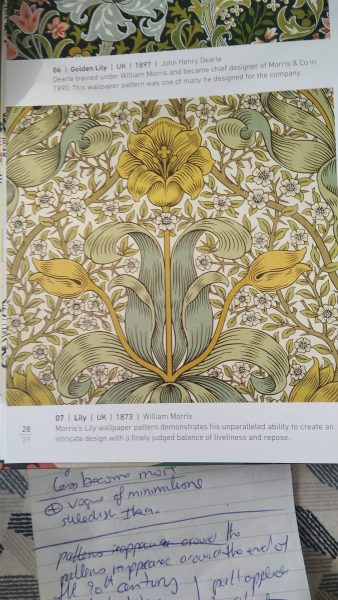
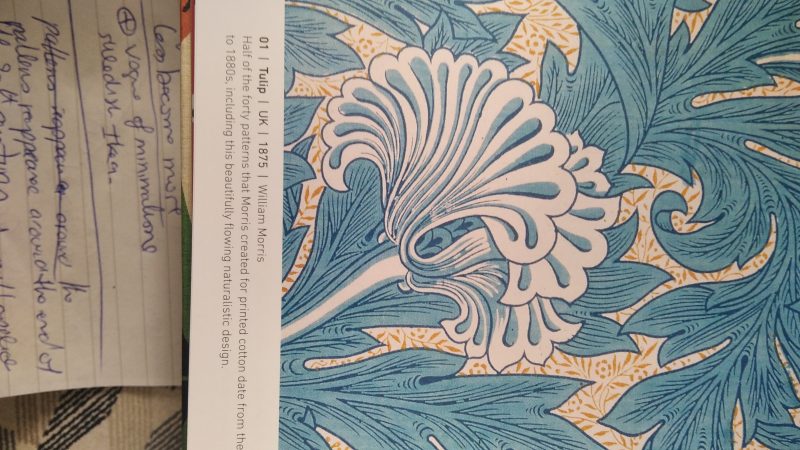
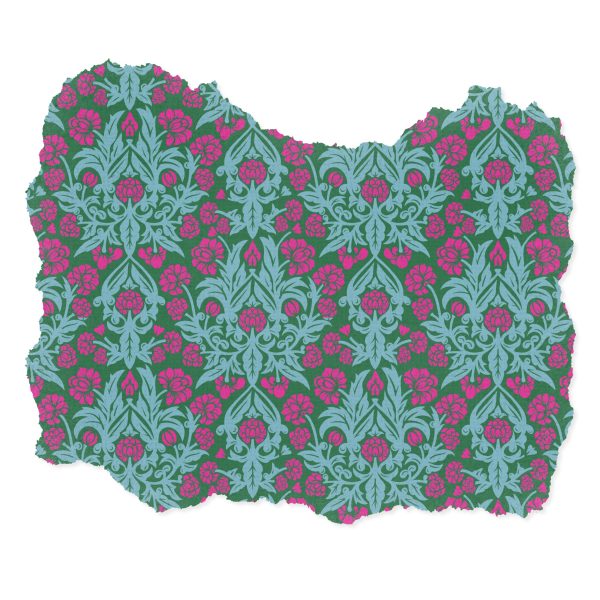
My pattern design very humbly take their inspiration from the atmosphere of the infinite beauty of William Morris & co. , or let’s say W.Moriss universe is my favorite graphic meditation and esthetic emotion
Within his bold two dimensional pattern Morris crafted a visceral response to the curves and waves of nature
I love the the way he reject simple replication of the past but capture its spirit, and seek the sense of depth and light:
How ever original a man may be he can not afford to disregard the work of art that have been produced in time past when design was flourishing, he is bound to study old exemples but he is also bound to supplement that by a careful study of nature because if he does not he will certainly fall into a sort of cut and dried conventional method of designing
William Morris artist craftman pioneer by R.Ormisyon & N.M Wells
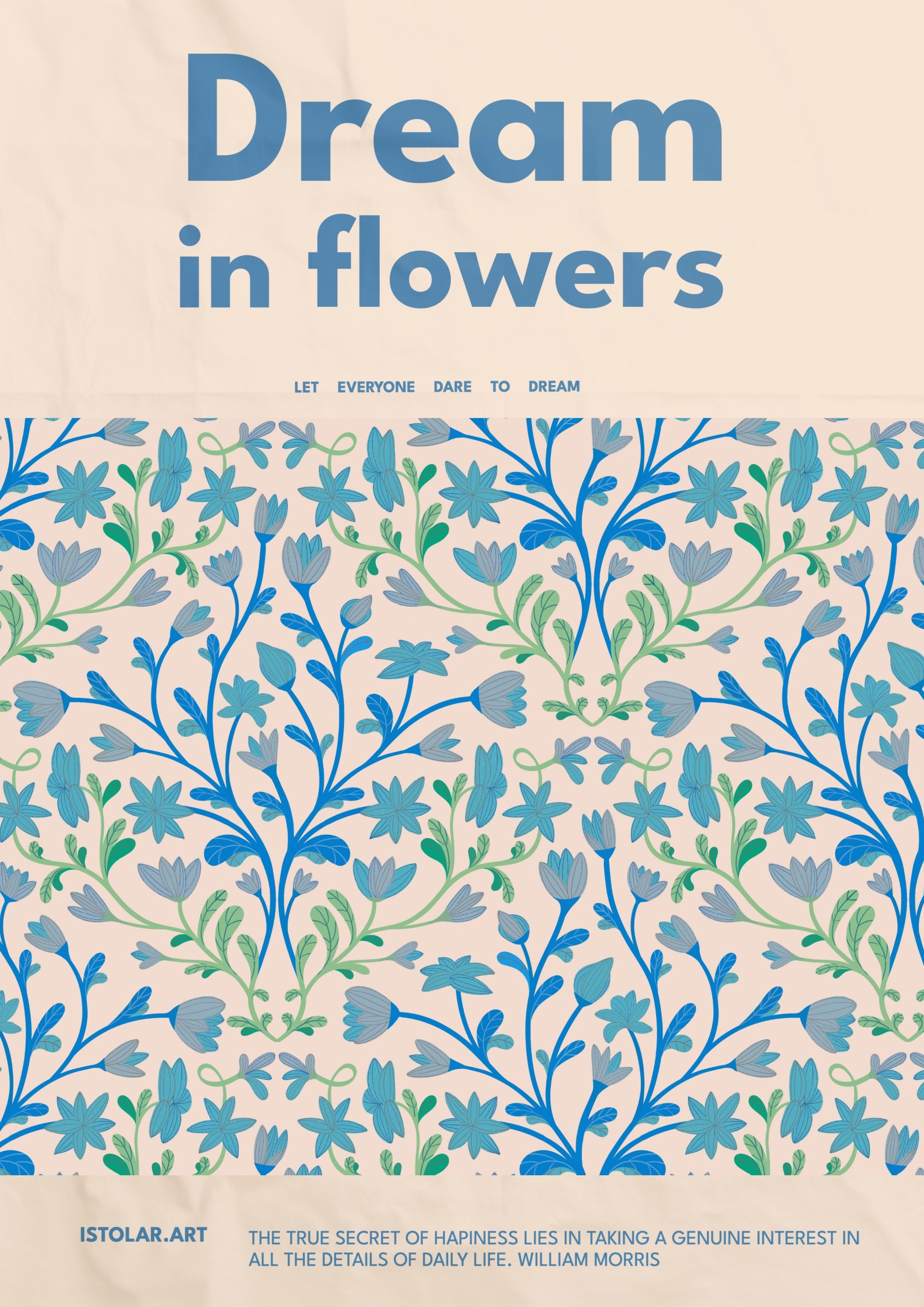
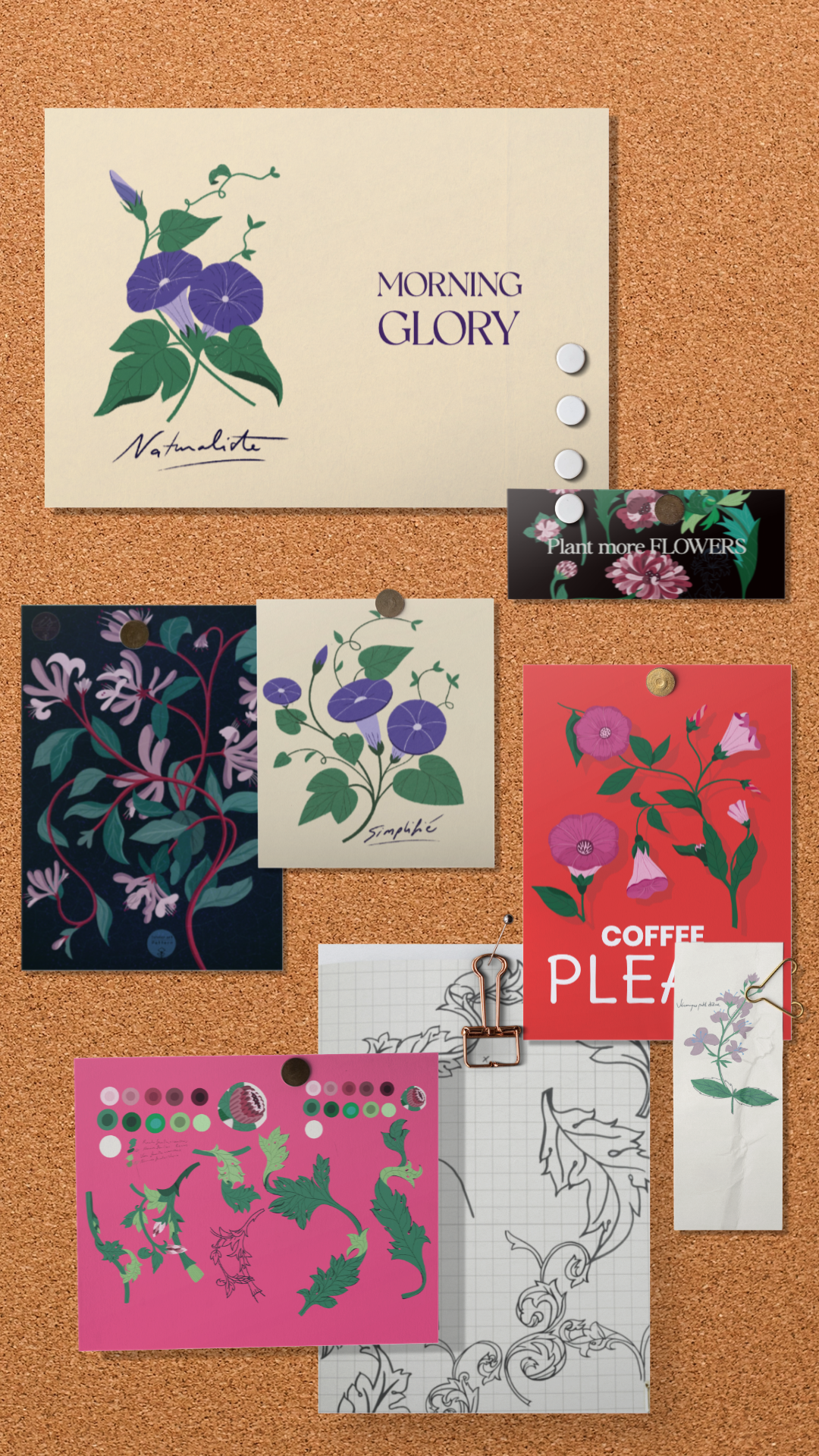
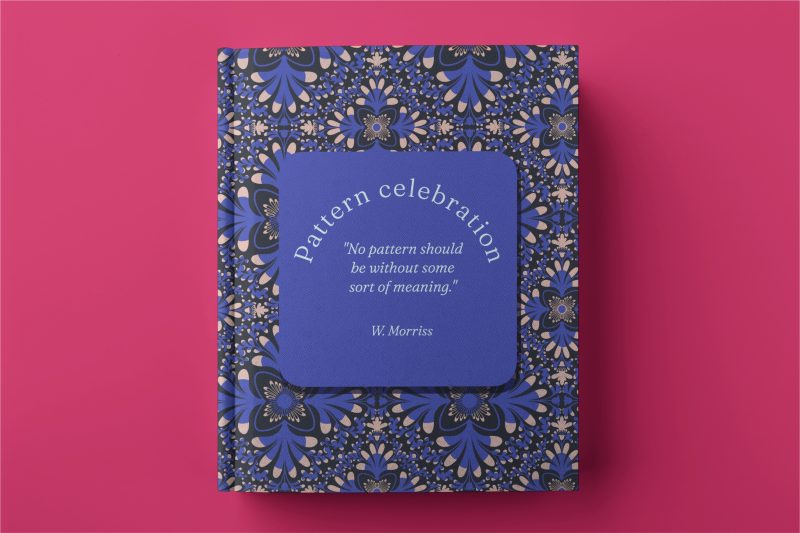
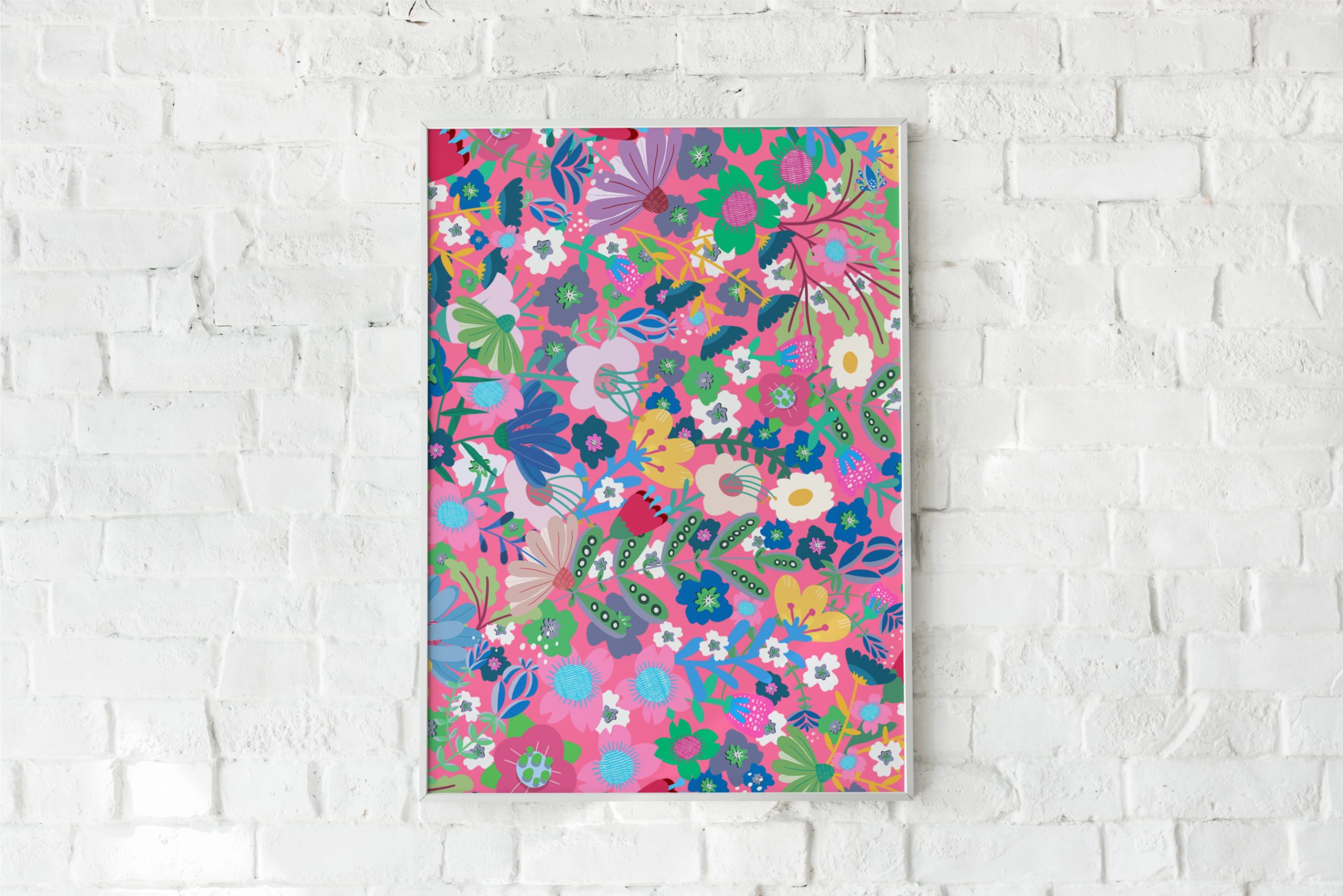
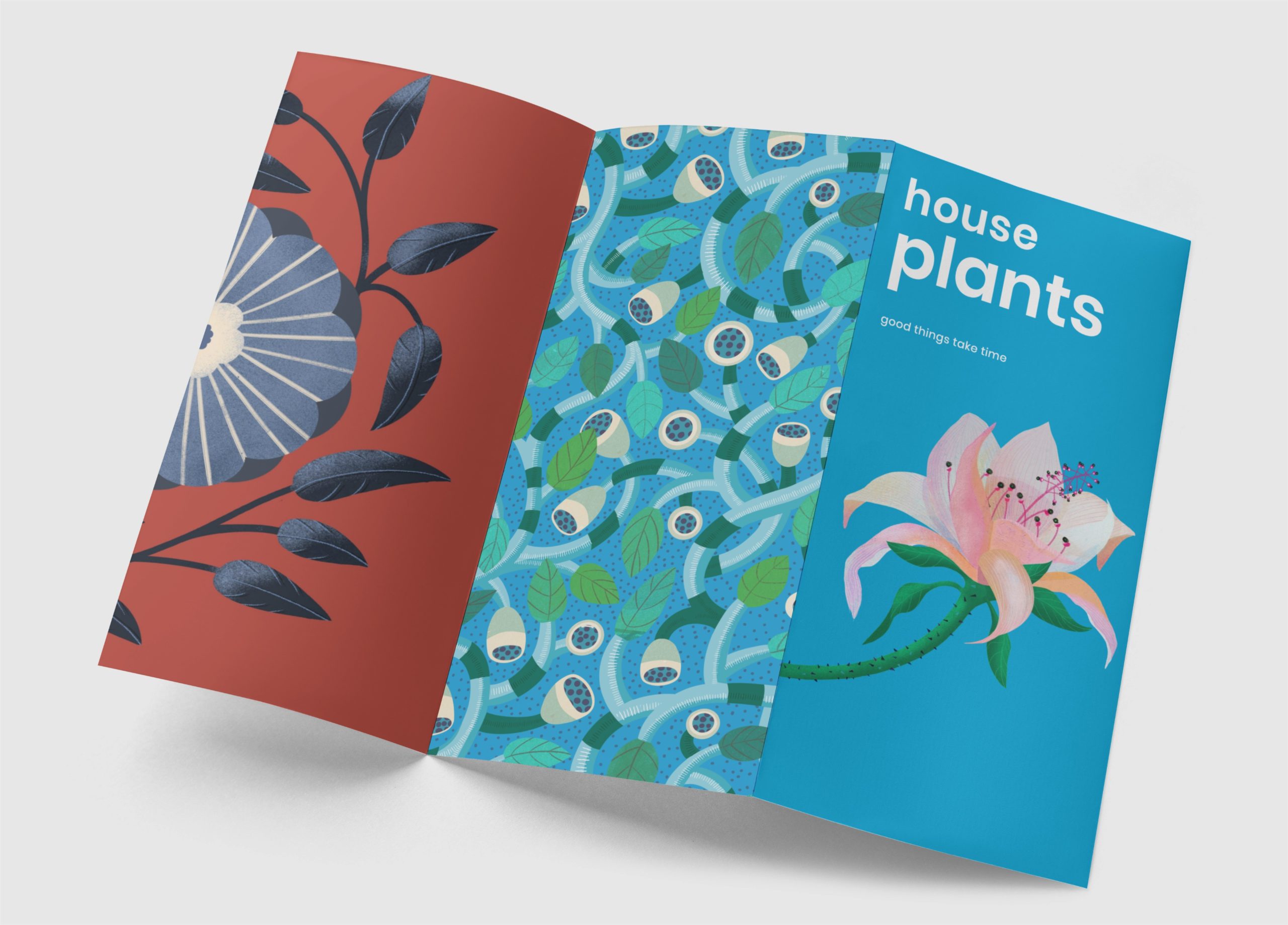
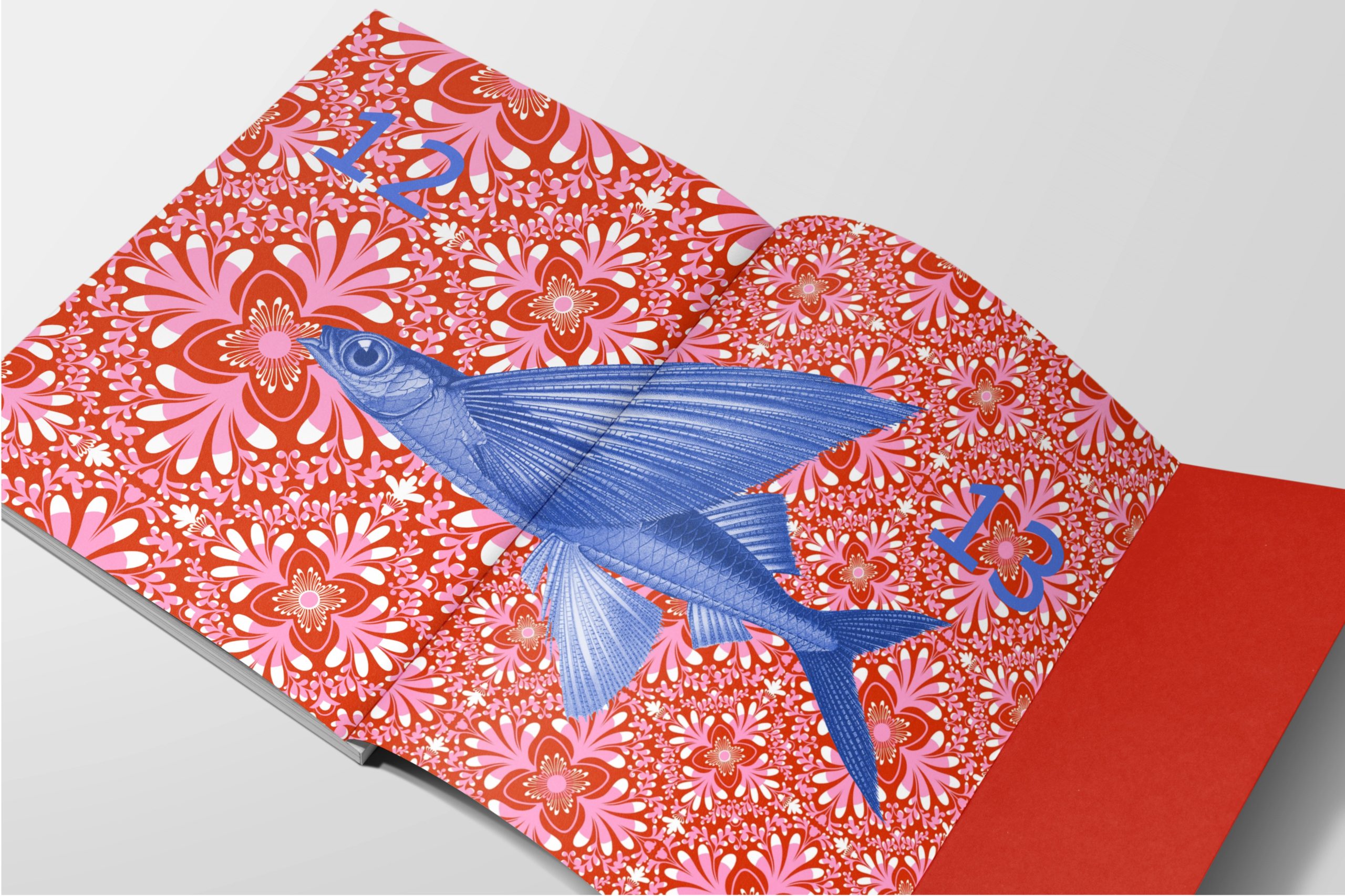
Mock up hommage à William! ( I realise I dysothographied his name on the mock up)
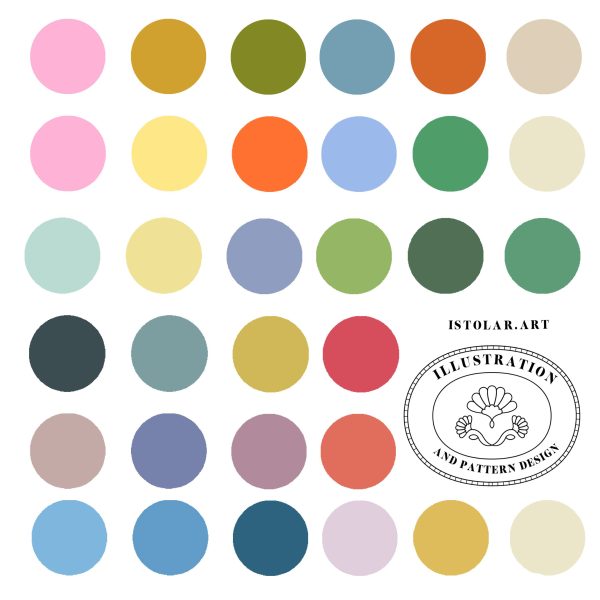
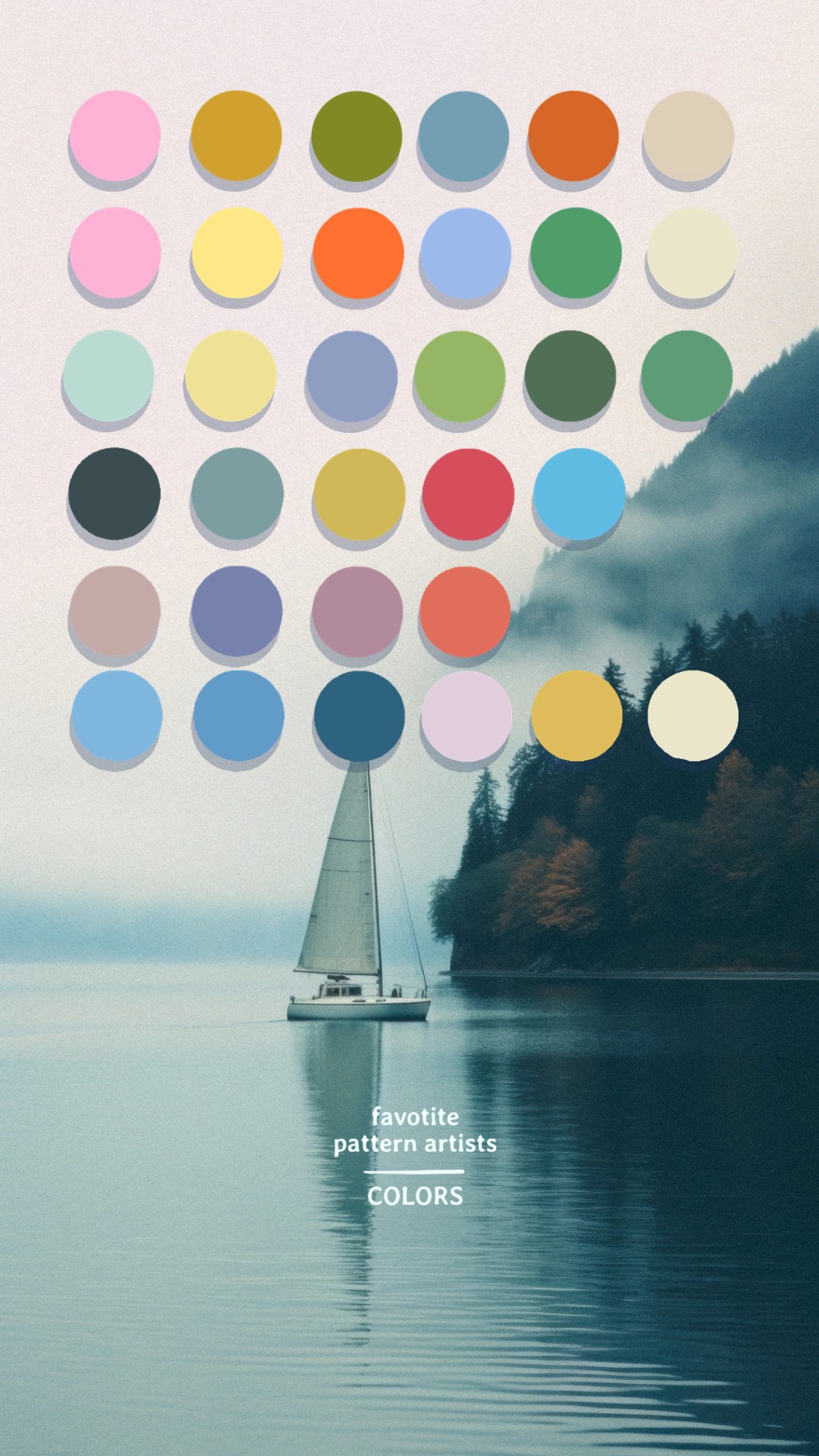
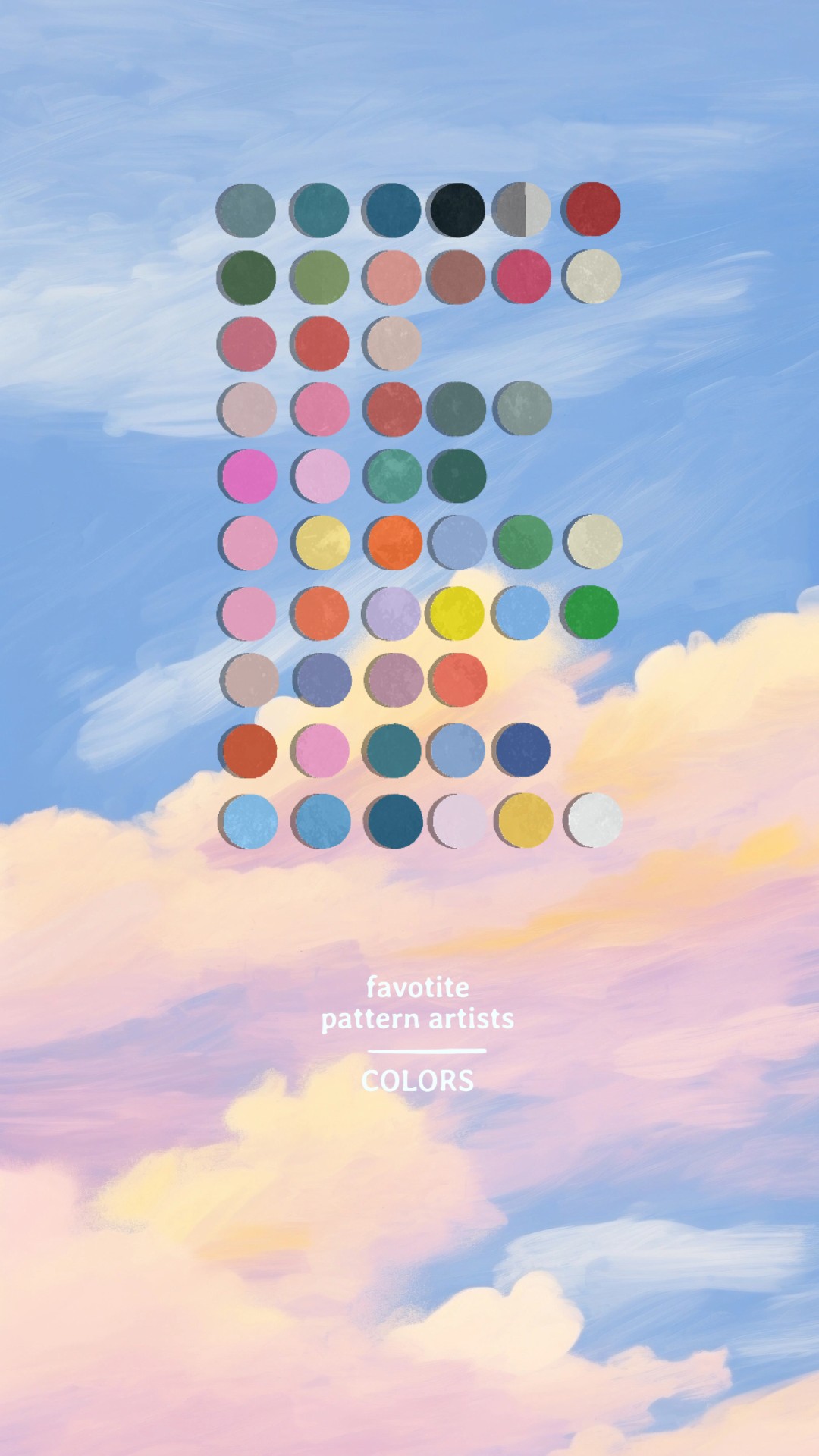
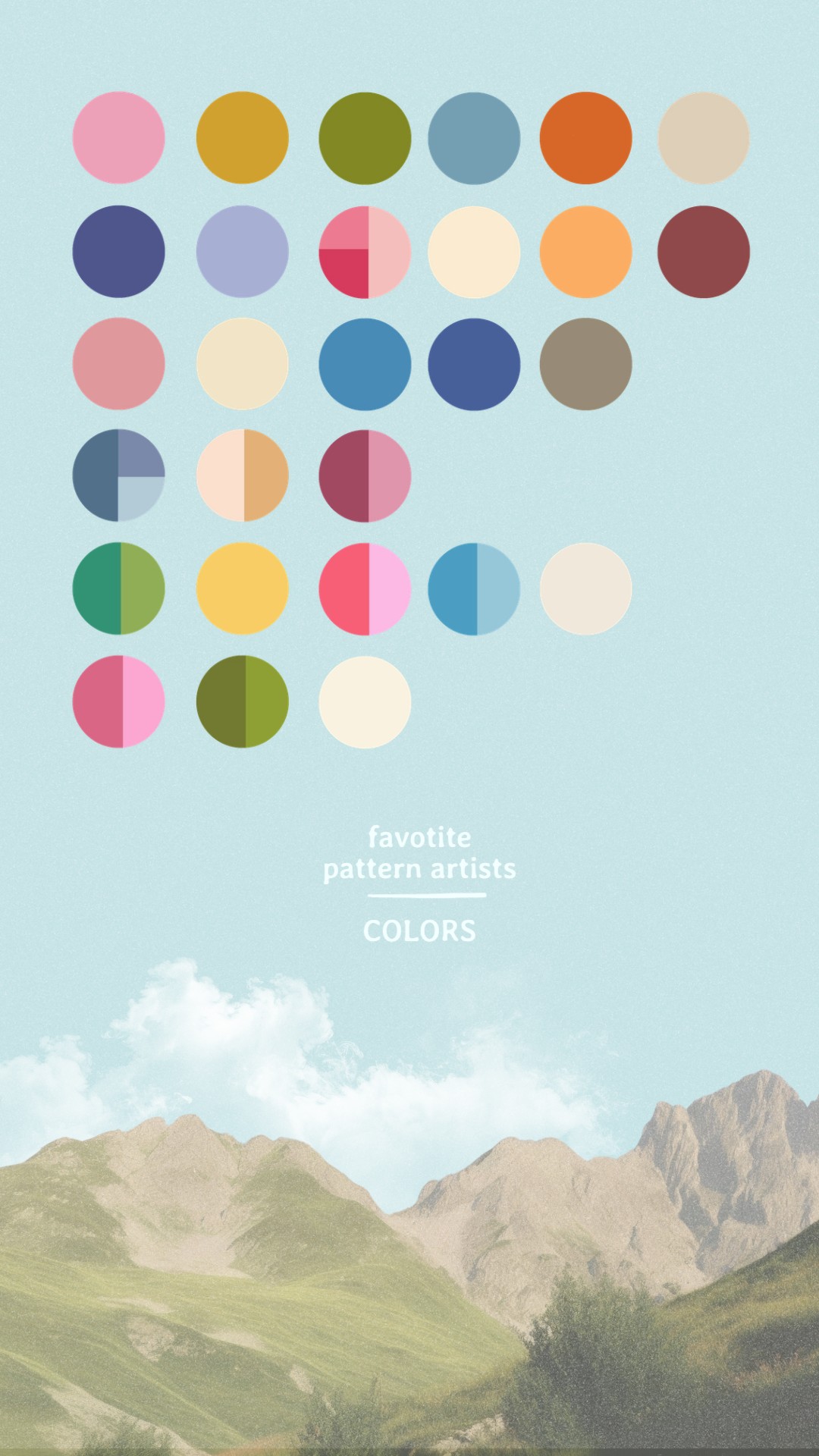
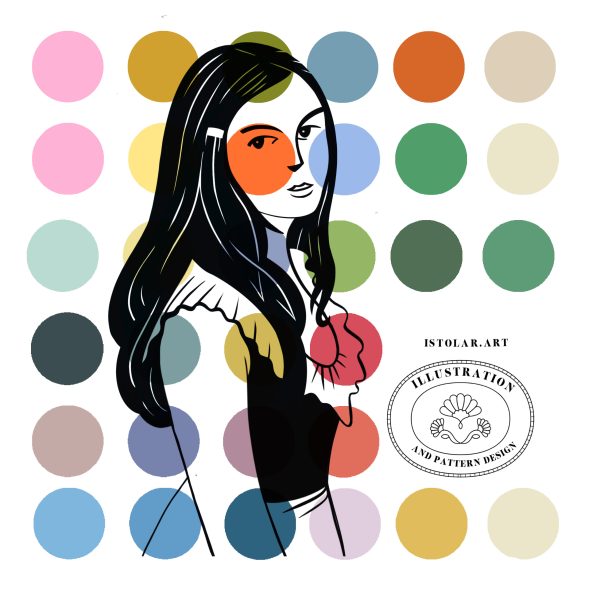
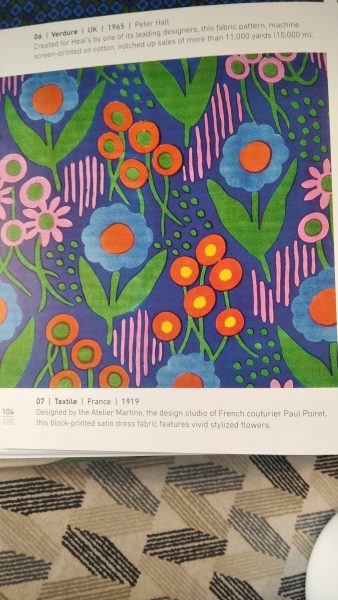
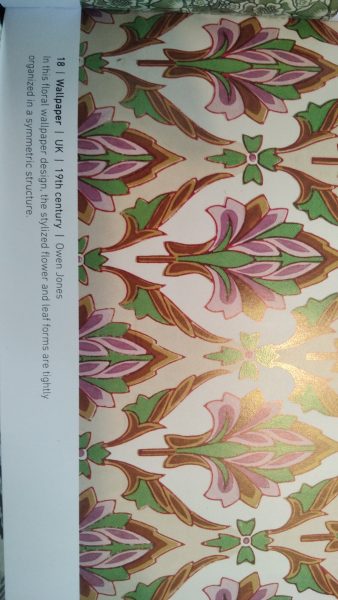
Before designing new pattern tiles, I took this habit of making time for exploring color sets I might not have chosen if relying only on my taste or intuition. So I had a look at my favorite pattern designer palettes.
it is good exercice for self challenging our mental color scheme.

 isa
isa